Scotland's World Cup Selection Sparks Fierce Debate Over Managerial Loyalty
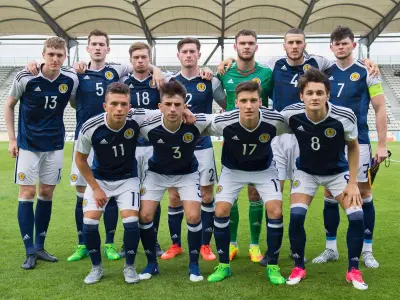
The recent announcement that World Cup squads will be selected from an initial pool of 55 players has ignited hope among fringe players dreaming of representing Scotland this summer. However, time is rapidly running out for those hoping to gatecrash Steve Clarke's plans, with overwhelming indications that the head coach will remain fiercely loyal to the players who secured Scotland's qualification.
In-Form Strikers Knock Loudly on the Door
No player is making a stronger case for inclusion than Southampton striker Ross Stewart, who scored his fifth goal in eight games during Tuesday night's 5-1 Championship victory over Wrexham. The 29-year-old Irvine-born forward, who confusingly carries the nickname "The Loch Ness Drogba" in England, also grabbed headlines by scoring Southampton's FA Cup winner against Arsenal just days earlier.
After a prolific spell with Sunderland in League One, injuries hampered Stewart's progress on the south coast, but his current scoring form arrives at precisely the right moment to stake a claim for World Cup selection. He currently holds just two caps from 2022, but his recent performances suggest he deserves serious consideration.
Similarly, Sheffield United striker Oli McBurnie represents another Scottish forward excelling in the English Championship, with both players outperforming current Scotland options statistically.
Clarke's Loyalty Approach Questioned
Steve Clarke deserves admiration for his unwavering loyalty to the players who delivered qualification, but legitimate questions arise about whether this approach comes at a cost. With Scotland seeking to improve upon disappointing performances at both Euro 2021 and Euro 2024, has the head coach missed opportunities to upgrade certain positions within his squad?
The exclusion of Stewart and McBurnie from recent friendly matches against Japan and Ivory Coast raised eyebrows among observers. During the latter fixture, Clarke's conservative approach was encapsulated by a late substitution at the Hill Dickinson Stadium, where 34-year-old Kenny McLean replaced Billy Gilmour instead of introducing 19-year-old prospect Lennon Miller.
This pattern suggests a manager looking backward rather than forward, despite having earned considerable credit through qualification success.
Statistical Evidence Highlights Selection Dilemmas
Examining the numbers reveals compelling cases for change. McBurnie has scored 14 goals this season, Stewart has netted 8, and Ipswich forward George Hirst has 9, while current Scotland striker Lyndon Dykes lags behind with just 6. All evidence suggests Scotland's striking department represents a worrying weakness that could benefit from fresh blood.
Beyond the forward line, other positions raise concerns. Third-choice goalkeeper Liam Kelly has made only three appearances for Rangers this season against lower-league opposition, and his rustiness was evident during the Ivory Coast friendly. Defenders Anthony Ralston and Grant Hanley have seen limited playing time, yet Clarke appears resistant to exploring alternatives like Dundee's impressive centre-back Luke Graham.
Goalkeeping Concerns and Tactical Questions
The goalkeeping situation presents particular anxiety. Of the three goalkeepers selected for March friendlies, only Scott Bain plays regularly. When questioned about this, Clarke stated he would consult with goalkeeping coach Chris Woods before making decisions, but the comfort zone between first-choice Angus Gunn and his backups appears precariously thin.
Clarke places premium value on squad harmony, but this emphasis may have sacrificed opportunities to strengthen the team's weakest areas. While Lyndon Dykes has contributed valuable moments in a Scotland jersey, the national team should arguably have evolved beyond relying on him as a likely starter.
International Comparisons Highlight Different Approaches
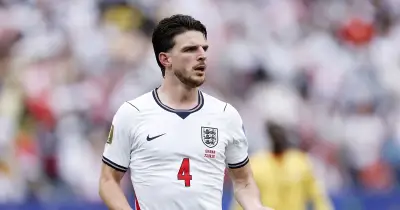
England, among the World Cup favourites, employ a markedly different selection philosophy under Thomas Tuchel, who actively keeps players uncertain about their positions to maintain competitive edge. This contrasts sharply with Scotland's approach, which some critics compare to a "supermarket loyalty points scheme" rewarding past service over current form.
Clarke did surprise observers by calling up Rangers youngster Findlay Curtis for March friendlies, but it would be astonishing if the young player makes the final squad. Similarly, when Bournemouth winger Ben Gannon-Doak departed injured against Denmark, Scotland's concerning lack of attacking pace became evident, with little indication this issue has been addressed.
The Legacy Question
Steve Clarke has undoubtedly earned the right to make decisions without excessive scrutiny, having delivered World Cup qualification. However, his legacy as Scotland manager remains delicate. Should Scotland reach the knockout stages this summer, Clarke will be celebrated as a national hero. But another disappointing tournament performance could prompt difficult questions about whether loyalty has become a millstone around the team's neck.
The reality remains that players who contributed throughout qualification will almost certainly travel to the World Cup. But if Scotland adheres too rigidly to the same formula that delivered mixed results at recent tournaments, would anyone be surprised if similar outcomes follow? As the selection deadline approaches, Clarke faces the classic managerial dilemma: stick with proven performers or twist toward in-form alternatives.