

Gallo Winery's Dramatic Pivot to Bourbon Amid Industry Turmoil
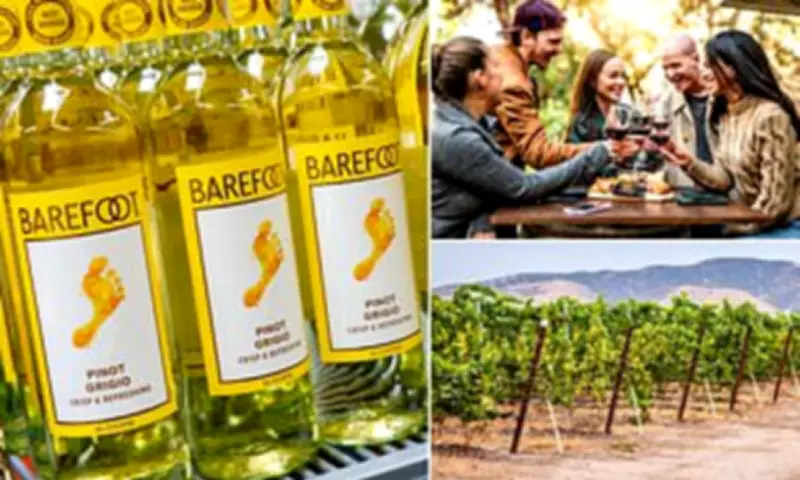
In a bold strategic shift, California wine titan E & J Gallo Winery is acquiring Kentucky-based Four Roses bourbon in a deal valued at up to $775 million. This surprising move comes as the Modesto-based company faces a severe downturn in wine sales, forcing a dramatic re-evaluation of its business model after decades of dominating the American wine market.
Wine Industry Woes Prompt Radical Restructuring
The acquisition follows a turbulent period for Gallo, which has implemented significant cost-cutting measures across its operations. Just two months ago, the company eliminated approximately 100 positions and shuttered a major Napa Valley facility. Additional staff reductions occurred across premium brands including Louis M Martini Winery and the Orin Swift Tasting Room in St Helena.
Last year's closure of the massive 300,000-square-foot Courtside Cellars in San Luis Obispo County resulted in 47 job losses, dealing a substantial blow to local employment. These cutbacks reflect broader challenges facing the wine industry as consumer preferences shift away from traditional alcoholic beverages.

Four Roses: A Prestigious Addition to Gallo's Portfolio
Founded in 1888, Four Roses represents one of America's most respected bourbon producers, ranking as the eighth-largest globally and consistently earning industry awards for its heritage and craftsmanship. The brand's master distiller, Brent Elliott, described Gallo's purchase as 'an incredibly exciting chapter' in the bourbon's 138-year history.
'With their support, we're well positioned to build on our momentum while staying true to the quality and character that have guided us for generations,' Elliott stated. Gallo's chief commercial officer, Britt West, echoed this sentiment, calling Four Roses 'one of the most respected bourbons in the world' and pledging to maintain its quality standards while making it a cornerstone of Gallo's expanding portfolio.
Broader Alcohol Industry Challenges
Gallo's strategic pivot occurs against a backdrop of declining alcohol consumption across the United States. Recent Gallup data reveals that just 54 percent of adults reported drinking in 2025, a significant drop from 62 percent in 2023. This represents the lowest consumption level in nearly ninety years of tracking, with even regular drinkers reporting reduced intake.
Multiple factors contribute to this trend, including growing health concerns, increased awareness of alcohol-related risks, and changing preferences among younger consumers. Many are opting for alternatives such as hard seltzers, spirits, or alcohol-free beverages, diminishing wine's traditional market position.
Industry-Wide Inventory Crisis
The challenges extend beyond wineries to the broader spirits sector. Stoli vodka and Kentucky Owl bourbon announced shutdowns earlier this year, with parent company Stoli Group citing failed turnaround attempts and external pressures including asset seizures in Russia and alleged cyberattacks on US production facilities.
Meanwhile, major alcohol producers including Diageo, Pernod Ricard, Campari, Brown Forman, and Rémy Cointreau are reportedly grappling with approximately $22 billion worth of aging inventory. This surplus stems from overproduction during the COVID-19 pandemic, when companies anticipated sustained high demand that never materialized. These corporations oversee iconic brands like Johnnie Walker, Smirnoff, Absolut, Jack Daniel's, and Hennessy.
Strategic Implications and Future Outlook
Gallo's acquisition of Four Roses from Japanese owner Kirin represents more than a simple diversification strategy. Kirin's decision to divest reflects its own withdrawal from the struggling spirits market, as reported by the Financial Times. For Gallo, this move signals a fundamental reorientation toward more resilient segments of the alcohol industry.
As America's largest wine company, Gallo's dramatic shift underscores the profound transformations reshaping alcoholic beverage consumption patterns. The company's willingness to invest substantially in bourbon while scaling back wine operations suggests a calculated bet on changing consumer tastes and the enduring appeal of premium spirits.

The coming years will reveal whether this $775 million gamble pays off, potentially establishing a new template for alcohol industry adaptation in an era of declining consumption and evolving preferences.





