Sports with More Downtime Than Play: A Reader Debate
In a recent discussion, readers have been exploring which sports, games, or pastimes involve more dead time than actual playing time. This topic was sparked by a question noting that the average NFL match lasts three hours, but the clock runs for only one hour. The conversation has revealed a wide range of activities where downtime dominates.
American Football: A Prime Example
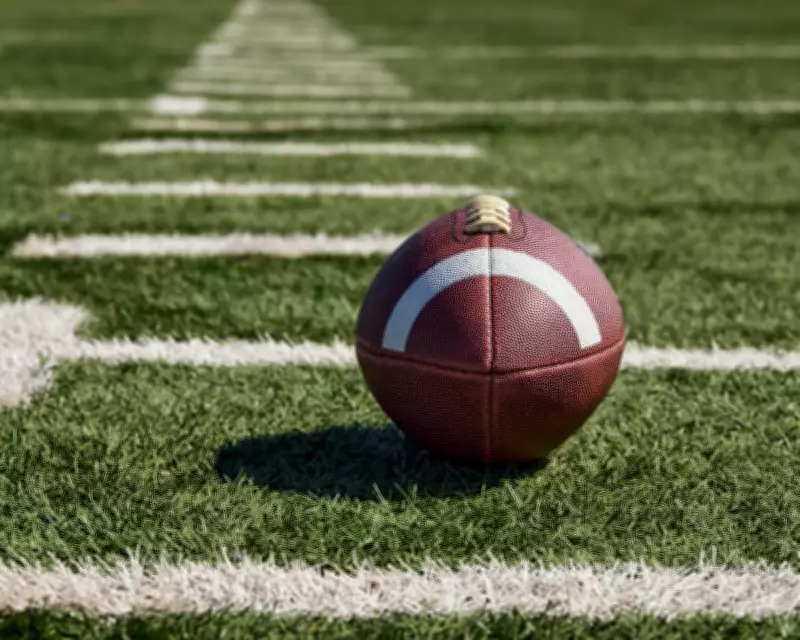
American football is frequently cited as a sport with significant downtime. One reader described it as "30 seconds of violent mayhem followed by 10 minutes of committee meetings," filled with TV ads and complex statistics. However, some argue that this structure allows for strategic depth, with each play being a high-stakes moment akin to chess combined with physicality. At the professional level, the NFL's commercial breaks and substitutions contribute to the perception of excessive non-playing time, though high school matches are noted for a faster pace.
Golf and Other Leisure Activities
Golf emerges as another contender, with readers pointing out that less than three seconds are spent hitting the ball in a game that can take over four hours to complete. As one commenter quipped, "golf is a good walk spoiled." Similarly, sailing involves extensive preparation time—changing into gear, setting up the boat, and dealing with post-sail cleanup—which can mount up compared to the actual sailing time. Downhill skiing and scuba diving also feature long periods of planning, travel, and waiting relative to the brief moments of active participation.

School Sports and Athletics
School sports, such as hockey during games lessons, often involve students spending more time on the sidelines than playing, especially if they are not picked for teams. In athletics, events like shot put can have competitors waiting an hour between throws that last only 30 seconds each. Three-day eventing is highlighted, with actual competition time spanning just 12 to 15 minutes over three days.
Strategic Games: Chess and More
Chess is brought into the debate, with one reader recalling a World Chess Championship match where three and a half hours of thinking time resulted in only about three minutes of physical piece movement. While some argue that thinking is integral to the sport, from a spectator perspective, it can feel like dead time. Other activities like target shooting and sumo wrestling are also mentioned for their brief bouts interspersed with longer waits.
Team Sports Comparisons
In team sports, rugby union has ball-in-play time of around 35-40 minutes, with one match noted to have less than 30 minutes due to weather conditions. Ice hockey, despite its fast-paced reputation, can have stop-start gameplay that extends real-time duration. Basketball, particularly in the NBA, sees the ball in play for only 48 minutes out of a 135 to 150-minute game. Soccer (football) fares better but still has about 60 minutes of ball-in-play time in a 95-minute match, with additional half-time breaks.
Extreme Sports and Unique Cases
Relative skydiving is highlighted, where cumulative airtime might only add up to two minutes over a weekend of jumps, with most time spent on travel and logistics. Test cricket is another example, with its five-day format including nights, meal breaks, and weather delays, though fans appreciate the strategic buildup. Readers note that in many sports, what constitutes "playing" is subjective—strategizing in huddles or walking between shots might be considered part of the game.
This discussion underscores how perceptions of downtime vary across sports, influenced by factors like commercialisation, strategy, and personal enjoyment. Whether it's the NFL's ad-filled breaks or golf's leisurely pace, the balance between action and waiting remains a point of fascination for enthusiasts and critics alike.