Liverpool captain Virgil van Dijk has issued a robust defence of manager Arne Slot, stating that some of the criticism aimed at the Dutchman this season borders on being 'disrespectful'. The defender's comments come during a turbulent period for the Reds, who are currently sitting in sixth place in the Premier League table.
Van Dijk Stands Firm in Support of Slot
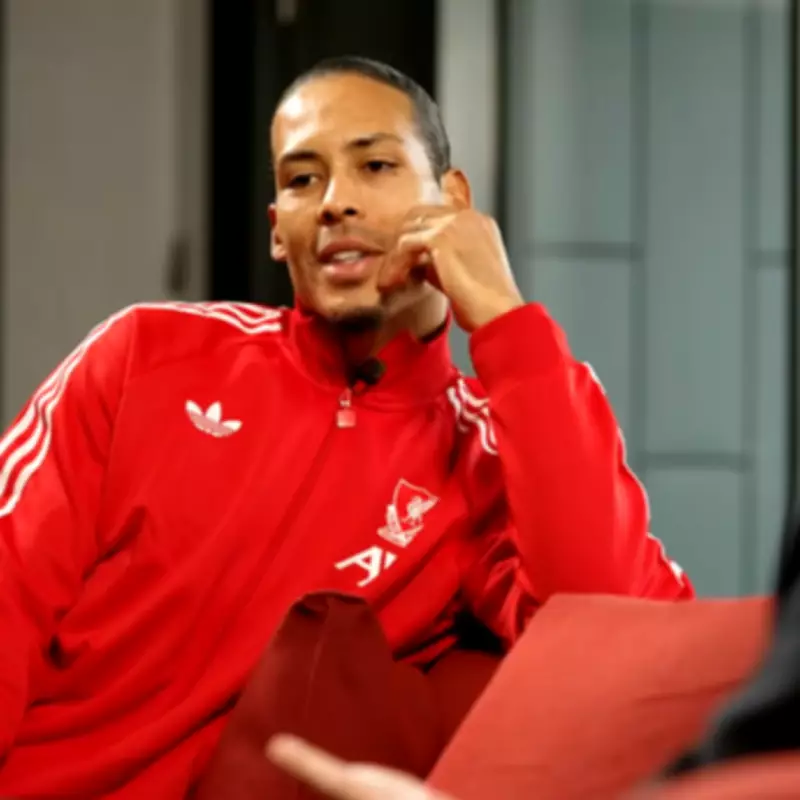
In a candid interview with Sky Sports and Gary Neville, Van Dijk acknowledged that Liverpool's performances this season have warranted criticism. However, he emphasised the distinction between fair analysis and disrespectful commentary. "I said it last week and I've said it here, criticism, with the season we're having, is well deserved because of the way we have been playing at times and the way we have been losing games on the bounce," Van Dijk stated. "That's just not the standards that we set, especially last year. But you have criticism, and you have disrespect."
A Season of Contrasts for Liverpool
Arne Slot took over at Anfield in 2024, succeeding the legendary Jurgen Klopp. In his debut campaign, Slot guided Liverpool to a Premier League title triumph, amassing 84 points. This season, however, has presented significant challenges. The team has managed just 11 victories from their 24 league matches, leaving them a substantial 14 points behind leaders Arsenal. This dip in form has inevitably led to increased scrutiny and speculation regarding Slot's future, particularly following the sacking of Xabi Alonso from Real Madrid earlier this year.

Calling for Patience and Respect
When pressed on whether the criticism directed at Slot was disrespectful, Van Dijk offered a measured response. "Well, it depends on what you feel. I've had the question last week as well. Do I think the disrespect is well-deserved? I feel like I don't know, because I don't read it all the time," he explained. The Dutch centre-back argued for patience, highlighting the club's traditional approach. "We are in a process of things and I feel like it just takes time. I don't think Liverpool, from what I know Liverpool as, is a club of making rash decisions and trusting the process."
Van Dijk continued, acknowledging the pressures of management while advocating for Slot. "But I know how the world works and the pressure that managers are under and [how they] are held accountable and responsible for the results that we are getting. I still feel like it's a process and he deserves, in my eyes, that respect and chance to make sure this process ends in a positive way. We just have to keep going."
Van Dijk's Broader Concern for Football's Culture
During the same wide-ranging discussion, Van Dijk expressed concern about the nature of modern football criticism and its impact on players, particularly the younger generation. He suggested that former top players have a "duty of responsibility" when offering public assessments. "For me personally, I can deal with it, but I'm a bit worried for the next generation," he told Neville. "I feel like the ex-top players have a responsibility to the new generation."
The defender, who was involved in a public exchange with Wayne Rooney earlier this season after the former England striker criticised his performances, stressed that while criticism is a normal part of the game, it can sometimes cross a line. "Criticism is absolutely normal and part of the game, and I think it should stay that way. But sometimes criticism also goes into being clickbait, saying things to provoke things, and without thinking about the repercussions for a mental side of players, and especially the younger generation, who are constantly on social media."
Van Dijk highlighted the psychological challenges faced by modern footballers in the digital age. "You can say, 'yeah, you shouldn't be on social media' - that's what I've mentioned [to them] loads of times. There is always this thing of when you play a good game, younger players check all the positive praises, but when you have a worse game, and you're getting bullied all over social media, or you're getting bad criticism, it can really affect you." His comments reflect a growing awareness within the sport about player welfare and the potent influence of media and online discourse.