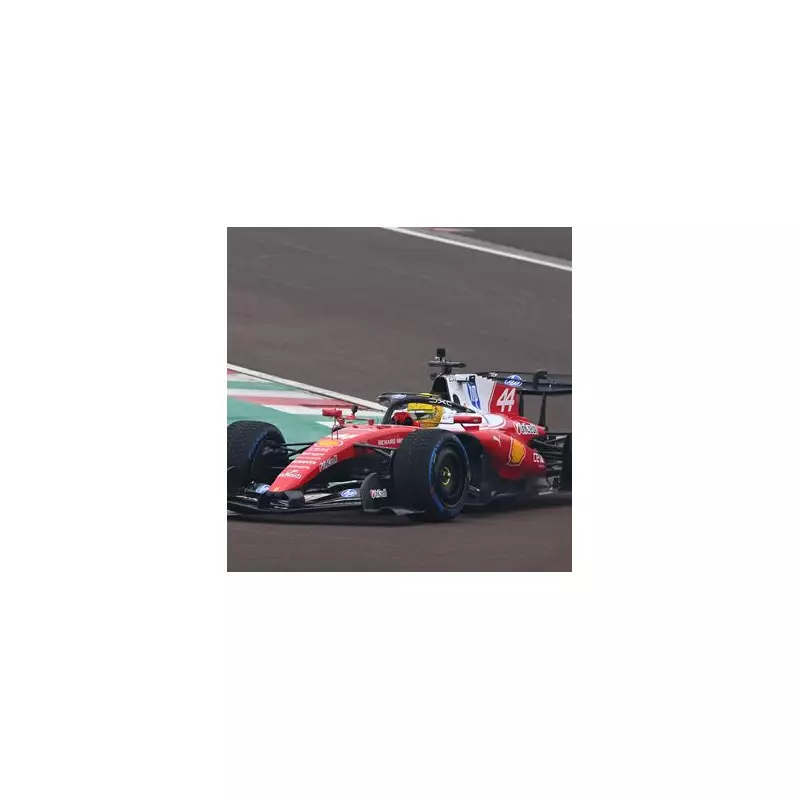
The 2026 Formula One season has kicked off with its first pre-season test at the Circuit de Barcelona-Catalunya, where drivers took to the track on Monday to experience the radically new cars. Initial reactions from behind the wheel have been a mix of critique and cautious optimism, highlighting significant changes in speed, handling, and driver management.
Drivers Note Slower Speeds and Altered Handling
One of the most immediate observations from the drivers is the noticeable drop in lap times. Due to sweeping regulation changes, the new cars are significantly slower than their predecessors. Audi driver Gabriel Bortoleto drew a stark comparison, stating that the driving experience feels akin to a Formula Two car, suggesting that fans should not anticipate record-breaking performances this season.
In terms of handling, the cars offer a markedly different feel from the high-downforce models of recent years. Mercedes driver George Russell described the experience as "quite different", though he added that once drivers adapt, the sensation becomes "quite intuitive". This shift represents a major departure that could reshape racing strategies.

Increased Complexity and Driver Management
The new power units introduced for 2026 demand a more hands-on approach from drivers during each lap. Kimi Antonelli pointed out that the systems require "a bit more management" compared to last year, particularly when navigating various power delivery modes. This added complexity has led to a steep learning curve for some.
Liam Lawson admitted he hasn't "got my head around it fully yet", while Esteban Ocon went further, labelling the new technical packages as "very complicated". These comments underscore the challenges teams face in mastering the updated regulations ahead of the season opener.
Early Optimism and Team Performances
Despite the concerns over speed and complexity, there is a general sense of optimism about the future racing spectacle. George Russell remains positive, predicting that "there is a lot for fans to look forward to" as teams begin to unlock the potential of the new rules. This sentiment suggests that the changes could lead to more engaging and unpredictable races.
In terms of team performances, Red Bull made a strong impression during Monday's testing. Isack Hadjar, who drove the RB22 ahead of Max Verstappen's scheduled run, was positively surprised by the efficiency of Red Bull's operations. He described their first steps with the in-house power unit as "pretty smooth", a view echoed by Russell, who praised the Milton Keynes team's start to pre-season.
Looking Ahead to the 2026 Season
As testing continues, drivers and teams will focus on adapting to the new cars and refining their setups. The feedback from Barcelona indicates that while the 2026 regulations present hurdles, they also offer opportunities for innovation and closer competition. Fans can expect a season where driver skill and strategic management play even more critical roles in determining success on the track.