Apache Women Petition Supreme Court as Federal Land Transfer Enables Major Copper Mining Project
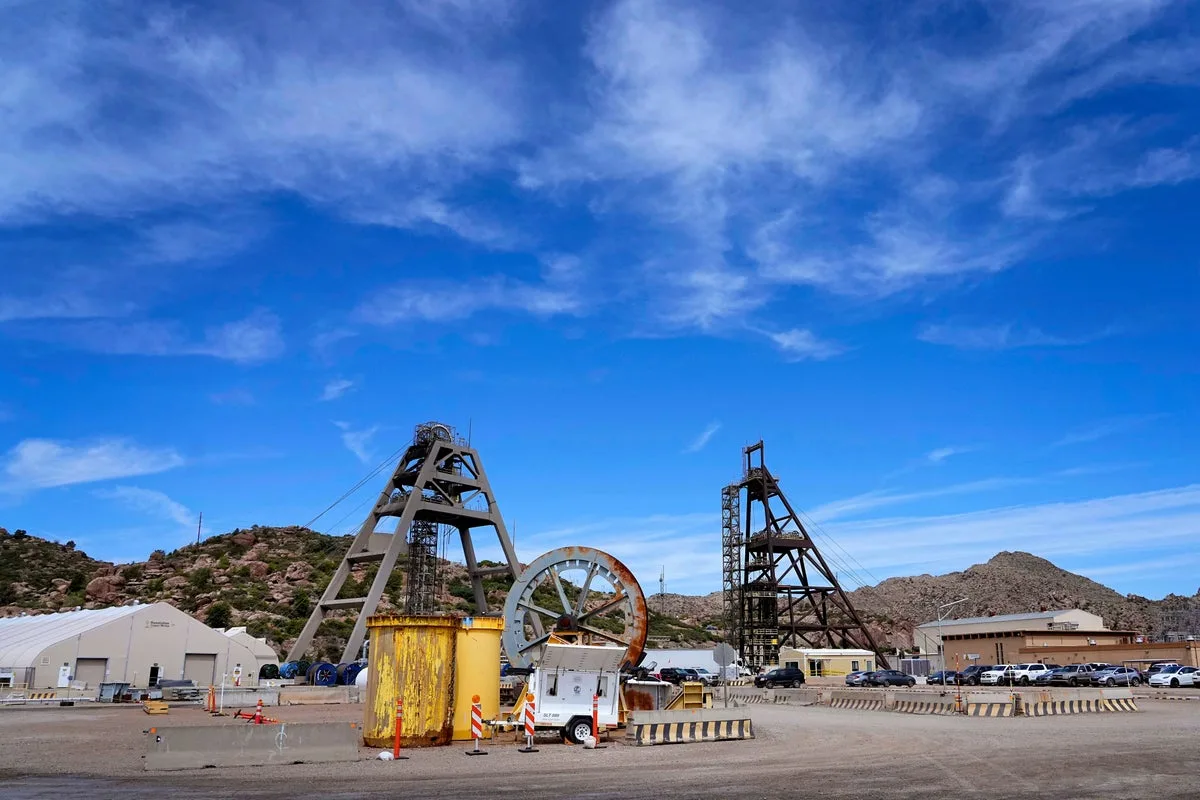
The transfer of federal forest land in Arizona to international mining companies has been finalized, but a determined group of Apache women is making a last-ditch appeal to the U.S. Supreme Court in an effort to stop what could become one of North America's largest copper mining operations. The title to the land was officially conveyed by the federal government to Resolution Copper on Friday, following an appeals court decision that denied requests from the San Carlos Apache Tribe and environmental advocates to block the controversial move.
Legal Battles and Religious Significance
The appeals court determined that the plaintiffs' legal arguments were unlikely to succeed and subsequently lifted an emergency injunction that had been in place since last summer. The land in question includes the culturally significant area known as Oak Flat, which has been used for centuries by the San Carlos Apache people and other Native American tribes for religious ceremonies, prayer gatherings, and the collection of medicinal plants. The tribe, alongside the activist organization Apache Stronghold and other plaintiffs, has been engaged in a prolonged legal battle to preserve what tribal members refer to as Chi’chil Bildagoteel.
In its ruling on Friday, the appeals court acknowledged that the land transfer would fundamentally transform the landscape and result in the destruction of sites considered sacred by the tribe and other plaintiffs. "Despite those grave harms to Native religious practice, Congress has chosen to transfer this land, and plaintiffs have not raised any viable challenges to that decision," the court stated in its decision.
Government and Corporate Perspectives
Attorneys representing the U.S. Forest Service have consistently argued in court filings over the years that the agency had no discretion in the matter, as the land exchange was mandated by Congress through language included in a must-pass national defense spending bill signed into law in 2014 by then-President Barack Obama. In a statement issued on Monday, U.S. Agriculture Secretary Brooke Rollins, who oversees the Forest Service, emphasized that the project aligns with President Donald Trump's vision of achieving energy independence.
"Completing this land exchange unlocks a major domestic source of copper, essential for defense, grid modernization and next-generation energy, and positions the nation to secure its future by expanding mineral production and unleashing America’s full resource potential," Secretary Rollins declared.
Resolution Copper, a subsidiary of international mining giants Rio Tinto and BHP, estimates that the mine will generate approximately $1 billion annually for Arizona's economy and create thousands of local jobs. The project has garnered support from the nearby community of Superior, where economic benefits are anticipated. The company asserts that the project underwent an extensive review process by the Forest Service, which included consultations with tribes having ancestral ties to the land.
"Courts at every level have consistently ruled in favor of Resolution Copper, and three different presidential administrations have supported this project," stated Vicky Peacey, Resolution's president and general manager. "It is time for the meritless litigation to end." The company did not immediately provide details regarding the timetable for commencing work at the site.
Environmental and Cultural Concerns
In a statement shared on social media, Wendsler Nosie Sr. of Apache Stronghold continued to voice significant concerns about water usage and the potential for environmental contamination as mining operations prepare to begin. "The fight for Oak Flat raises critical issues about the environment and our nation’s commitment to Native rights and religious freedom," Nosie emphasized. "But at its heart, it is a battle for our sacred and holy land, the faith that has always been defined by it, and the right to have our religious traditions respected and protected."
The ongoing legal struggle highlights the complex intersection of economic development, environmental stewardship, and indigenous rights, with the Apache women's Supreme Court appeal representing a final effort to halt a project that could have lasting impacts on both the landscape and cultural heritage of the region.