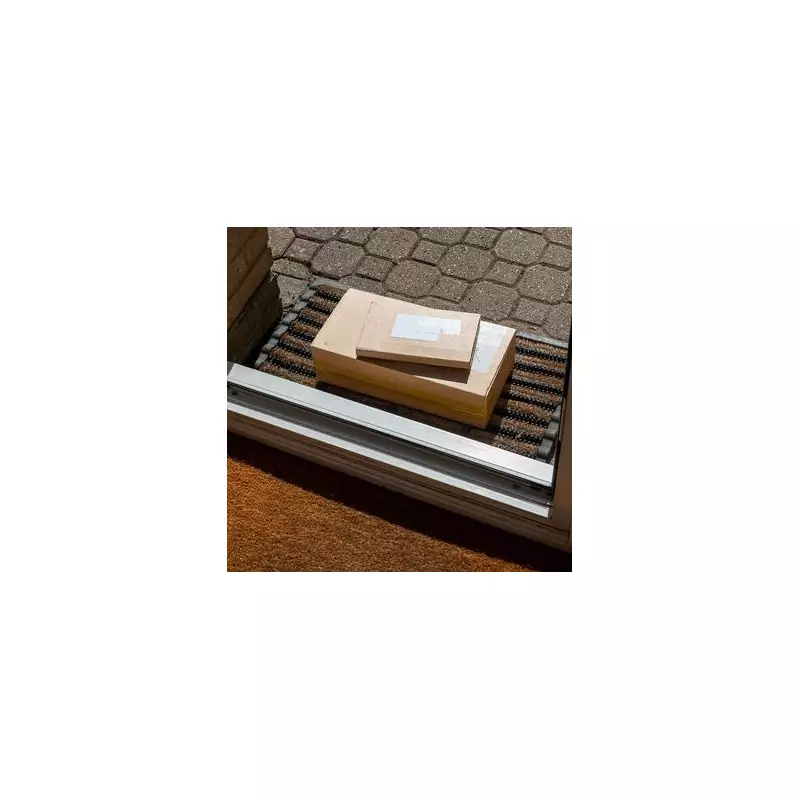
A British man experienced a post-Christmas conundrum when a completely unexpected parcel, which he had not ordered, turned up at his door. The baffling delivery left him scratching his head, especially once he opened it to find a strange cylindrical object inside.
The Puzzling Parcel and Its Contents
The incident occurred in the days following the festive season, a time when excess post is common. However, this package was different. The man reported that the parcel seemed to be "addressed to no one" and arrived "randomly." Upon opening it, he discovered a lightweight, cylindrical item featuring two holes on one end and a single hole on the other. With no clue about its purpose or origin, he turned to the online community for answers.
Internet Detectives and Viral Theories
Posting images of the object on Reddit, the man sparked a wave of speculation. The mystery was swiftly solved by tech-savvy users, who identified the item as a reservoir for a PC water cooling system. These components store extra coolant and help remove air bubbles from a computer's liquid cooling loop, with the ports used for filling and connecting to a pump.

Yet, the discussion didn't stop there. The item's appearance in a glass tube triggered a flood of pop-culture references. Many commenters immediately compared it to the iconic T-virus container from the Resident Evil video game and film series. Jokes about impending zombie apocalyses and urgent quarantines filled the thread, with one user quipping, "Do you want zombies? Cause that's how you get zombies."
Why Did It Arrive? The 'Brushing' Scam Theory
The bigger question of why the parcel was sent to him in the first place also generated theories. One prevalent explanation offered by commenters pointed to a practice known as "brushing." This is where companies send unsolicited products to random addresses to create a false verified purchase, allowing them to post a fraudulent positive review online. This scam leverages the recipient's address to bypass e-commerce platform safeguards designed to ensure reviews are from genuine customers.
The event highlights the oddities that can occur with modern online retail and delivery systems, turning an ordinary day after the holidays into a moment of mystery and online amusement.