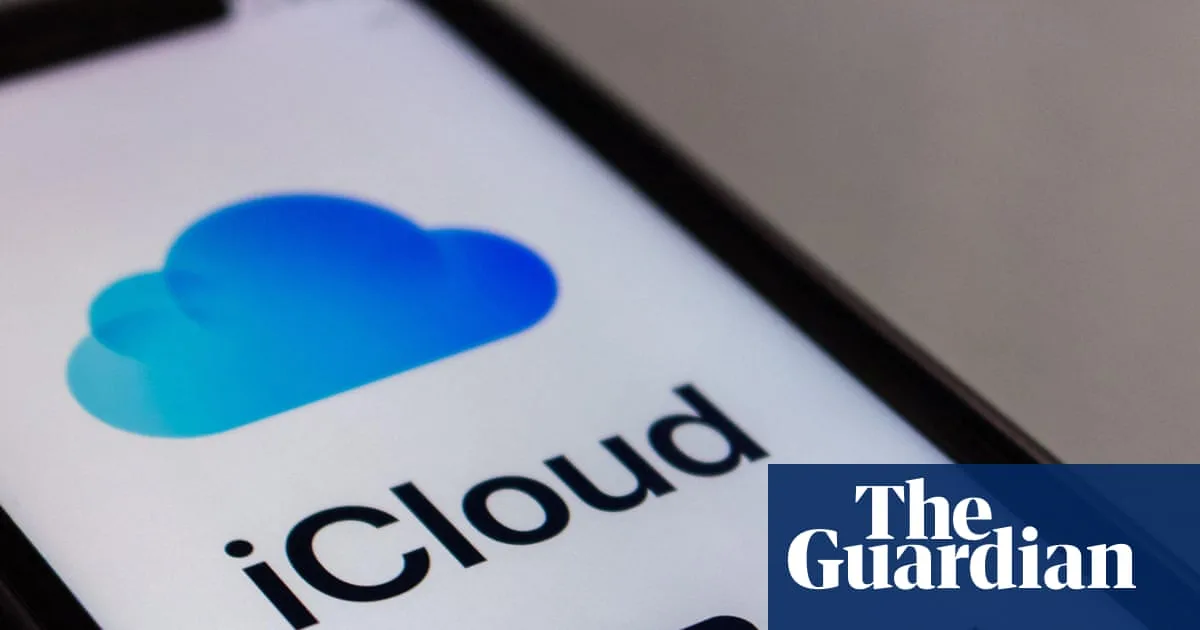
Fraudsters are sending convincing emails pretending to be from Apple, claiming that users' iCloud storage is full and that their photos and videos will be deleted unless they upgrade immediately. The emails contain a button that leads to a phishing website designed to steal bank and personal details.
The scam emails often have subject lines like 'We've blocked your account! Your photos and videos will be deleted on [date]' or 'Your payment method has expired'. They may also send 'final warning' emails if the recipient does not respond. The UK consumer group Which? has warned about this 'nasty scam' in a recent Facebook post.
Red flags include suspicious email addresses, such as those containing '.biz.ua' (Ukrainian business domains) or mentioning Ecuador, and poor spelling and grammar, like 'Your account may expires today'. Users are advised to delete these emails and not click any links. If they do click, they should not share personal details.

Scam emails can be forwarded to report@phishing.gov.uk, and those impersonating iCloud to reportphishing@apple.com or abuse@icloud.com. Apple has directed users to a webpage with advice on avoiding such scams. If account details are handed over, users should contact their bank immediately.
To check iCloud storage legitimately, iPhone users can go to Settings, then iCloud. If storage is full and they wish to upgrade, they should use the official 'Upgrade' button within the settings.