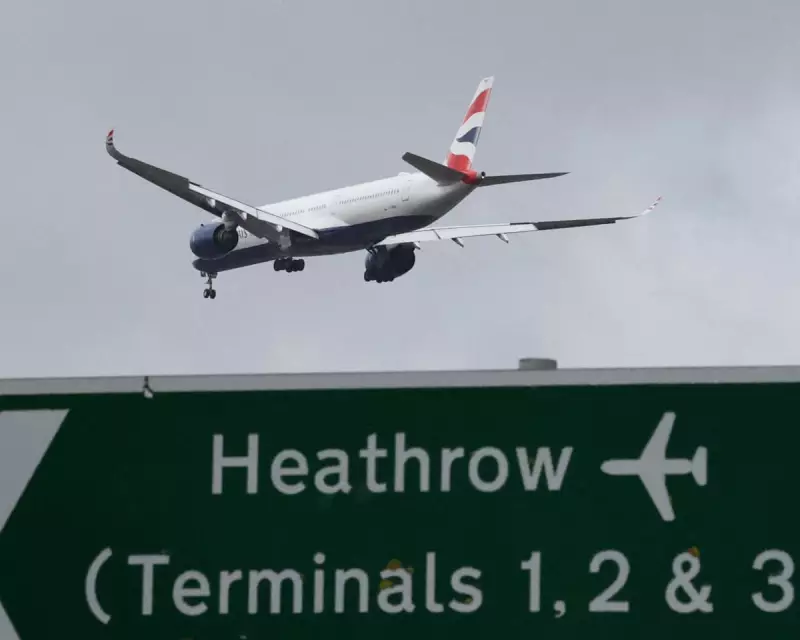
A major coordinated cyberattack has brought significant disruption to some of Europe's busiest airports, including London Heathrow, in a sophisticated strike that has raised serious security concerns. The incident, which unfolded on Wednesday, targeted critical IT infrastructure, causing delays and operational chaos for thousands of travellers.
Systems Crippled Across Key Hubs
Authorities confirmed that the cyber assault impacted systems at Heathrow, as well as Frankfurt Airport in Germany and Amsterdam's Schiphol Airport. While the full technical details are under investigation, early reports suggest a ransomware attack is the primary suspect. This type of malware typically locks users out of their systems until a payment is made.
The National Crime Agency (NCA) in the UK is leading a urgent investigation into the breach. A 25-year-old man was arrested in the Cheltenham area on suspicion of involvement in the attack. He remains in custody for questioning as cyber specialists work to restore affected systems.

Passenger Chaos and Mounting Delays
The immediate effect on passengers has been severe. Travellers at Heathrow reported long queues, flight delays, and difficulties with check-in and baggage systems. Airport authorities have been forced to implement manual processing for some services, significantly slowing down operations.
"We are experiencing significant disruption to our systems following a cyber incident," a spokesperson for Heathrow said. "Our teams are working around the clock to resolve the issue and minimise impact on passengers. We advise all travellers to check their flight status with their airline before travelling to the airport."
Questions Over State-Sponsored Involvement
The scale and coordination of the attack have prompted speculation among security experts about possible state-backed involvement. Targeting multiple major international transport hubs simultaneously suggests a high level of planning and resources.
This incident serves as a stark reminder of the vulnerability of critical national infrastructure to digital threats. It is likely to trigger a major review of cybersecurity protocols across the aviation sector and other essential services.