Visions of a future filled with bioprinted human organs, a towering space elevator, and helpful android assistants could move from science fiction to everyday reality within the next quarter-century, according to a leading UK futurologist.
Healthcare and Space Travel Transformed
Tom Cheesewright, in collaboration with astrophysicist and sci-fi author Dr Alastair Reynolds, has outlined a series of groundbreaking innovations set to dramatically improve our lives by the year 2050. Their project, 'Meet Tomorrow', aims to inspire optimism about the coming decades.
They predict a revolution in healthcare, shifting from treatment to prevention and enabling longer, healthier lives. A key breakthrough will be the widespread availability of 3D bioprinters capable of producing complex organs like kidneys, livers, and even custom retinas using a patient's own cells. This technology promises to eliminate transplant waiting lists and the risk of organ rejection entirely.

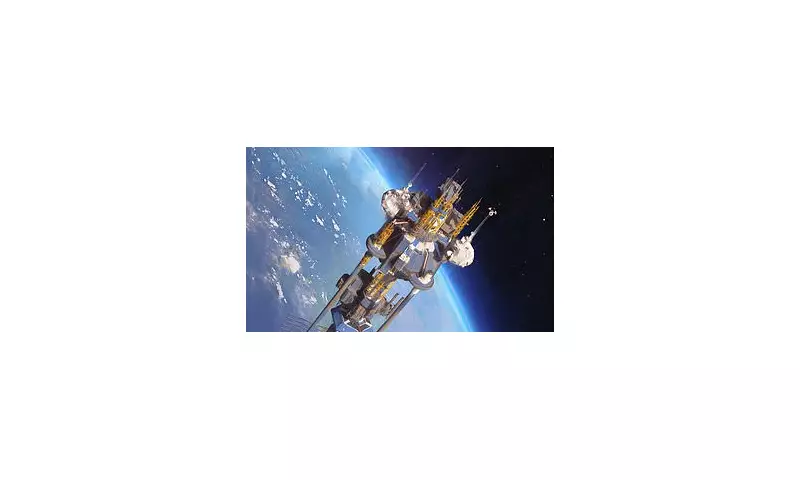
Meanwhile, humanity's reach into space is set for a giant leap. The duo forecasts that construction on the world's first space elevator will be underway by mid-century. This colossal structure would offer a quieter, cleaner alternative to rocket ships, ferrying cargo and passengers into orbit over a couple of weeks while providing 'unparalleled views' of Earth.
Robots at Home and New Diets
Back on Earth, the domestic landscape will be reshaped by robotics. Cheesewright and Reynolds anticipate that android assistants and robot roommates will become affordable and commonplace in British homes. These compact, storable machines will handle chores like laundry and cleaning. Powered by advanced AI, they will also offer companionship and conversation.
The British diet is also in for a change. The experts believe meat consumption will continue to fall, with lab-grown meats becoming a cheap and tasty ethical alternative. Furthermore, insects in powdered form are predicted to become a regular protein source, adding a nutty flavour to staples like pasta and bread.
The End of the Smartphone Era
Perhaps one of the most surprising predictions is the demise of the handheld smartphone. The team states we are at the edge of its final era. By 2050, smart glasses will become the dominant tool for interacting with the world. In the home, ultra-thin, high-resolution screens will be seamlessly integrated into walls, as thin as wallpaper.
'It's become fashionable to bemoan a future dominated by AI, robotics and relentless technological change, but really, we have a lot to look forward to,' said Mr Cheesewright. He points to 21st-century progress, from decoding the human genome to the rise of renewable energy, as evidence that 'human ingenuity has the power to outpace pessimism.'
Dr Reynolds added that change is inevitable, noting that smartphones, streaming, and digital assistants were all science fiction 25 years ago. The project comes as research from Zurich reveals only one in six UK adults feels optimistic about the world's future, though Gen Z is four times more hopeful than Baby Boomers.