After 88 days of near-total internet blackout in Iran, limited connectivity was restored on Tuesday evening, but the initial reactions were far from celebratory. Many Iranians expressed skepticism, anxiety, and anger, viewing the partial restoration as insufficient and potentially a tool for increased surveillance.
Ellie, a 42-year-old artist from Tehran, was able to connect for the first time since 28 February. She described crying with her husband and seeing the moment as a small taste of greater freedom after the fall of the regime. However, others like Maryam, a photographer in Tehran, called the international applause for the restoration “nauseating,” noting that mobile internet still does not work and WhatsApp is barely functional.
The blackout was initially imposed on 8 January amid nationwide anti-government protests, with further restrictions after US and Israeli strikes in late February. While a few used costly VPNs or satellite internet, most Iranians were digitally isolated. Tuesday marked the first time many could post on social media, with one student comparing it to “temporary leave from prison.”

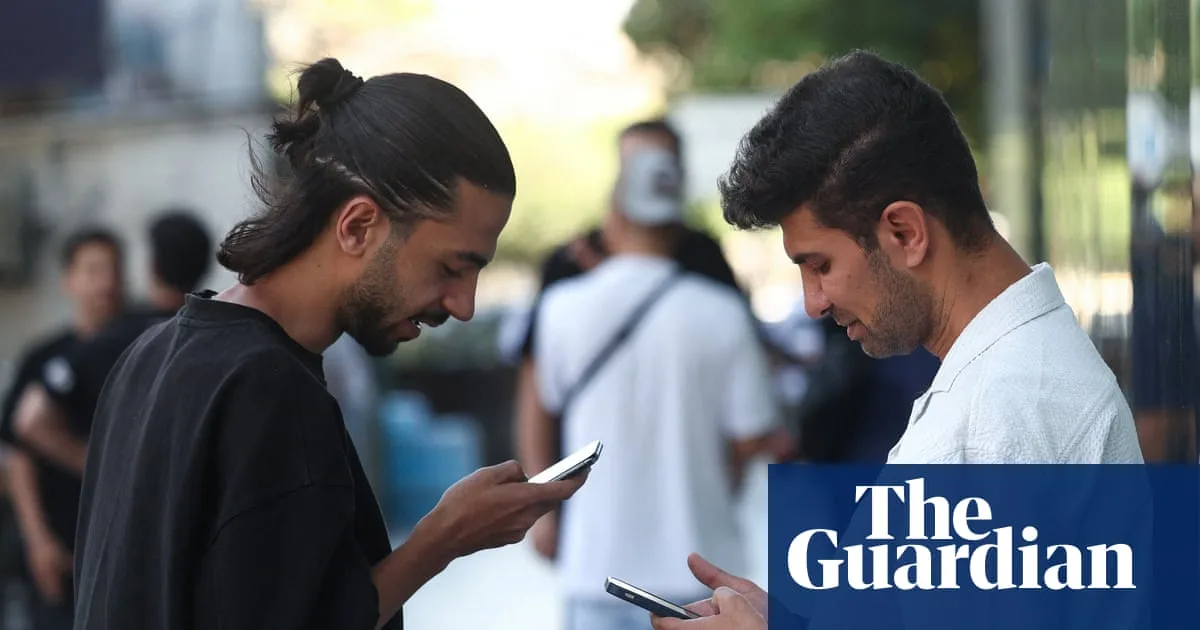
Iran’s national security council approved “internet pro” last month for select businesses, but many remain suspicious. Mina, a 23-year-old protester arrested in January, fears expanded surveillance, calling the limited access “filternet.” Posts mourned executed protesters and documented war destruction, with many scrolling through phones in tears.
Amin, a professor in Tehran, said Iranians are the biggest losers of the war, having lost livelihoods and trust. Humour returned with bitterness, with some blaming both the regime and international actors. For the diaspora, the return of friends online brought mixed feelings, as they worried about those still missing.