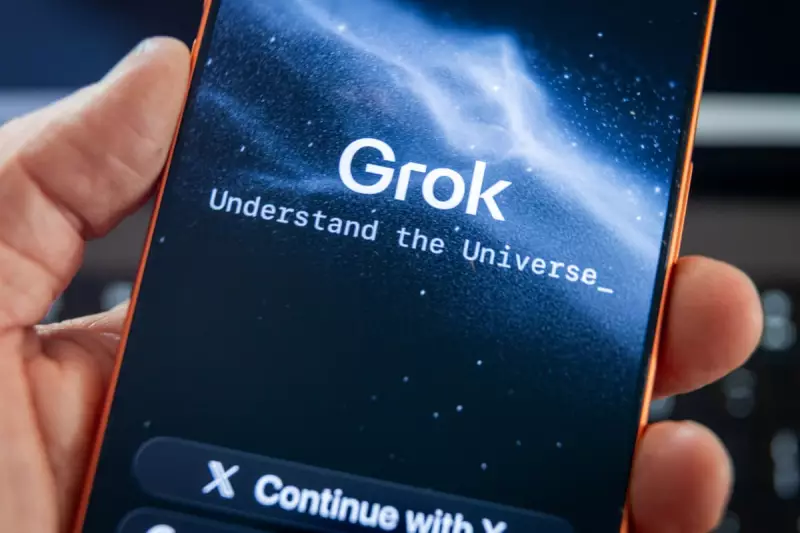
California's top legal officer has initiated a formal investigation into Grok, the artificial intelligence chatbot developed by Elon Musk's company xAI. The probe, confirmed on 14 January 2026, will scrutinise the AI's development and deployment for potential consumer protection violations.
Scrutiny Over Bias and Safety Protocols
The investigation, led by Attorney General Rob Bonta, centres on concerns that Grok may exhibit political biases or generate harmful content. Officials are examining whether the AI system's training data and safety guardrails are adequate. This move places Musk's AI venture under the same regulatory microscope that has examined other major tech firms.
The state's Department of Justice has issued a set of detailed interrogatories to xAI, demanding transparency on how Grok was built and tested. Investigators seek internal documents concerning the AI's training materials, content moderation policies, and any internal audits of its outputs. The state is leveraging its authority under California's Unfair Competition Law and Consumer Legal Remedies Act.

Musk's Defence and the Wider Regulatory Context
Elon Musk has publicly defended Grok, characterising the investigation as politically motivated. He argues that his AI is designed to be a truth-seeking tool, contrasting it with models from competitors like OpenAI's ChatGPT, which he has criticised for being overly restrictive. Despite this, the probe signifies a growing willingness by state authorities to actively police the rapidly evolving AI sector.
This action follows a series of clashes between Musk and California officials on various issues. It also occurs amidst a broader global conversation about how to govern powerful generative AI technologies. California, as a home to many leading AI companies, is positioning itself at the forefront of this regulatory effort.
The outcome of this investigation could have significant repercussions. Potential consequences for xAI include substantial financial penalties or court-mandated changes to how Grok is developed and operated. More broadly, it sets a precedent for how state-level consumer protection laws can be applied to complex AI systems.