In an unprecedented move, NASA has initiated its first-ever medical evacuation from the International Space Station (ISS), forcing the early return of an astronaut months ahead of schedule. The agency confirmed on Thursday that it is activating a long-standing but never-used contingency plan to bring a crew member back to Earth for medical treatment.
The Unprecedented Contingency Plan in Action
The evacuation was triggered after an astronaut from the Crew-11 mission experienced a medical issue that NASA flight surgeons determined could not be fully addressed in the microgravity environment of the orbiting laboratory. While the agency has declined to identify the individual or specify the condition, citing medical privacy, NASA Administrator Jared Isaacman stated it is considered a "serious medical condition" necessitating this historic action.
Dr James Polk, NASA's Chief Medical Officer, clarified that the astronaut is not in immediate danger and is receiving care from fellow crew members until the return is complete. He emphasised the issue is not related to spacewalk activities or station operations, but is "primarily a medical issue made more complex by the challenges of microgravity."

Logistics of the Emergency Return to Earth
Under the meticulously developed plan, the returning astronauts will seal themselves inside their Crew Dragon capsule, undock from the ISS, and perform a controlled departure. After a series of separation burns to move safely away from the station, the capsule will execute a deorbit burn several hours later, re-enter Earth's atmosphere, and deploy parachutes for a splashdown in the Pacific Ocean off the California coast.
A dedicated recovery ship with medical personnel will retrieve the capsule, conduct immediate health evaluations at sea, and then transport the astronauts by helicopter and jet to NASA's Johnson Space Center in Houston for further care. Mission controllers are finalising landing conditions, with an updated return timeline expected within 48 hours.
Impact on ISS Operations and Future Missions
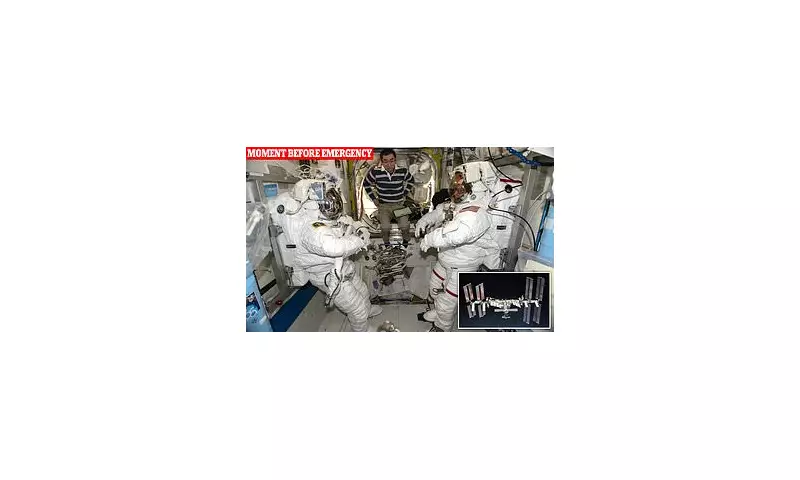
Crew-11, consisting of NASA astronauts Zena Cardman and Mike Fincke, Japanese astronaut Kimiya Yui, and Russian cosmonaut Oleg Platonov, arrived at the ISS on 1 August 2025 and was originally scheduled to return in late February. A Japan-based news outlet has reported that Yui has no health issues, narrowing the concern to the remaining three crew members.
The station's continuous human presence will be maintained. Japanese astronaut Koichi Wakata and NASA astronaut Chris Williams, who arrived aboard a Russian Soyuz spacecraft in November 2025, will remain on board with the Soyuz crew. Isaacman confirmed that this evacuation does not impact the upcoming Artemis II moon mission planned for February 2026, calling the two campaigns "totally separate."
This evacuation follows NASA's Spaceflight Human-System Standard, which mandates contingency returns when onboard medical resources are insufficient. While statistical models have long predicted such an event could occur roughly once every three years, this marks the first time the plan has been implemented in the history of the ISS programme, underscoring the inherent risks of long-duration spaceflight.