In a startling revelation that exposes the darker side of Silicon Valley's culture, a billion-dollar artificial intelligence startup has admitted its revolutionary "genius" AI was actually two men manually taking notes during meetings.
The Human Behind the AI Curtain
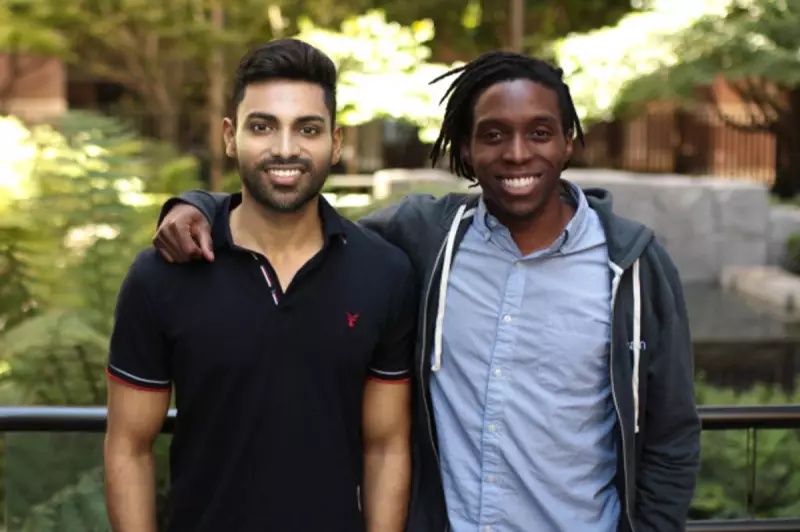
Fireflies AI, now valued at an impressive $1 billion (£760 million), began as anything but artificial. Co-founder Sam Udotong recently confessed on LinkedIn that their much-hyped AI meeting assistant was, in reality, just him and his business partner joining client calls on mute.
"We told our customers that there's an 'AI that'll join the meeting'. In reality, it was just me and my co-founder calling in to the meeting, sitting there silently and taking notes by hand," Udotong wrote. The founders manually transcribed discussions for over 100 meetings before they could afford to automate the process.

This human-powered operation continued until they reached a critical financial milestone: earning enough to pay their $750 per month rent for a tiny San Francisco living space. Only then did they decide to build the actual artificial intelligence they had been marketing all along.
Silicon Valley's Culture of Deception
The Fireflies AI story perfectly encapsulates what critics describe as Silicon Valley's problematic "fake-it-until-you-make-it" culture. This approach has become increasingly common in the tech industry, where ambitious claims often outpace actual technological capabilities.
Industry observers note parallels with the plot of Steven Soderbergh's techno-thriller Kimi, where human workers secretly improve an AI's voice recognition capabilities. The revelation comes during a period of growing scepticism about artificial intelligence investments.
Adding to concerns about an AI investment bubble, Japanese tech investment giant SoftBank recently dumped a significant portion of its Nvidia shares. Nvidia's chips form the foundation of much modern AI technology, making this move particularly noteworthy.
Broader Implications for Tech Investment
Analysts suggest that Silicon Valley operates on a potent mixture of fear and greed. While greed provides obvious motivation, the fear of missing out on "the next big thing" drives investors to pour money into potentially overhyped technologies.
This dynamic has previously led to spectacular failures, most notably Theranos, which claimed revolutionary blood-testing capabilities that never materialised despite attracting millions in investment.
Meanwhile, traditional British companies in the FTSE 100 continue to perform reliably, approaching the 10,000-point mark. The index's steady growth highlights investor appetite for proven businesses with tangible products and reliable dividend payments.
As Fireflies AI CEO Krish Ramineni likely spends the coming days reassuring nervous investors, the broader question remains: Is artificial intelligence the transformative technology it's claimed to be, or simply the latest example of techno-hype overwhelming reality?
The Fireflies story provides ample ammunition for sceptics who argue that the AI revolution might be more human-powered than the tech industry would like to admit.