




Starmer Warns Iran Conflict Could Damage UK Economy Amid Oil Price Surge
Starmer Warns Iran War Threatens UK Economy as Oil Prices Soar

Starmer Issues Stark Warning on Economic Fallout from Iran Conflict

Prime Minister Sir Keir Starmer has issued a sobering warning that the escalating conflict in the Middle East presents a growing threat of economic damage to the United Kingdom. Speaking at a community centre in London, the Prime Minister directly addressed public anxieties over rising living costs, which have been exacerbated by the recent US-Israeli military strike on Iran and Tehran's subsequent retaliatory actions across Gulf states.

Immediate Market Turbulence and Oil Price Shock

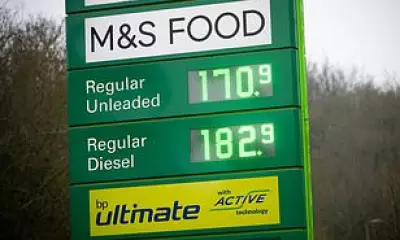
The geopolitical crisis has already triggered significant market volatility, with oil prices surging above $100 per barrel—a threshold not witnessed since 2022. London's FTSE 100 Index experienced a sharp decline of nearly 2 percent shortly after opening, reflecting investor concerns about an acute supply crunch stemming from the regional hostilities.

"People will sense, you will sense I think, that the longer this goes on, the more likely the potential for an impact on our economy, impact into the lives and households of everybody and every business," Starmer stated during his address. He emphasized that the government's priority is to proactively manage these risks, stating, "And our job is to get ahead of that, to look around the corner, assess the risk, monitor the risks, and work with others in relation to that."

Contrasting Views: Starmer's Caution Versus Trump's Dismissal

While Starmer advocates for vigilance, US President Donald Trump has sought to downplay the economic repercussions of the turmoil. In a post on his Truth Social platform, Trump asserted that prices would "drop rapidly when the destruction of the Iran nuclear threat is over" and characterized current increases as a "very small price to pay." He boldly declared, "ONLY FOOLS WOULD THINK DIFFERENTLY."

The political landscape further intensified following the death of Iran's supreme leader in an Israeli strike at the onset of the conflict. His son, Mojtaba Khamenei, was named as successor on Sunday—a move likely to provoke criticism from Trump, who has previously labeled Khamenei as an "unacceptable" choice.

Domestic Economic Safeguards and Inflationary Pressures

Most UK households are expected to be shielded from immediate energy price hikes by the existing energy price cap. However, the surge in oil prices is anticipated to translate into higher costs at petrol stations, directly affecting consumers. Moreover, the risk of elevated energy costs fueling inflation has led analysts to predict that the Bank of England is now unlikely to implement an interest rate cut this month, contrary to earlier expectations.

Chancellor Rachel Reeves is scheduled to participate in a virtual meeting with G7 finance ministers to discuss coordinated responses to the crisis. Reports from the Financial Times indicate that ministers will explore a potential joint release of petroleum reserves, orchestrated by the International Energy Agency, to mitigate the economic shock.

Strategic Resilience and Diplomatic Tensions

Starmer highlighted that the UK economy and public finances possess "more resilience" compared to the energy price shock triggered by the Ukraine invasion in 2022. He acknowledged public anxiety, noting, "I do understand the anxiety now, at nine days into this conflict, where a number of people will be saying 'well, now is the situation going to get worse, and how’s it going to impact me and my family?'"

The Prime Minister revealed that Chancellor Reeves is in daily communication with the Bank of England to ensure proactive risk management. While the energy cap offers protection to households, Starmer cautioned that businesses must remain vigilant to market fluctuations.

When questioned about whether Trump's actions risked precipitating a world war, Starmer stressed the necessity of de-escalation, stating, "We do need to find a way to de-escalate the situation and that’s what a lot of our discussions are about – how do we find a way to de-escalate this situation and make sure it doesn’t escalate even further than it already has."

UK-US Relations and Military Cooperation

Despite public friction, Starmer confirmed that he engaged in a telephone conversation with Trump over the weekend to discuss military cooperation in the region. This dialogue followed Trump's social media criticism of the UK's delayed involvement, with the US president asserting, "we don’t need them any longer" and "we don’t need people that join wars after we’ve already won!"

Tensions arose after Starmer initially withheld permission for the first wave of military action against Iran, later authorizing "defensive" US operations from RAF Fairford in Gloucestershire and Diego Garcia in the Indian Ocean. Reports of the UK preparing the HMS Prince of Wales aircraft carrier for deployment to the Middle East remain unconfirmed, with no definitive decisions made.

Liberal Democrat leader Sir Ed Davey has urged Starmer to cancel the King's state visit to the US in protest against Trump's "illegal war" and his repeated insults toward the UK. Starmer, however, reaffirmed the enduring alliance, stating, "I had a telephone call with President Trump yesterday talking about the conflict in Iran and the region and what we were doing together, and that was important in terms of the ongoing discussion." He underscored that decisions regarding Britain's best interests ultimately rest with the Prime Minister.