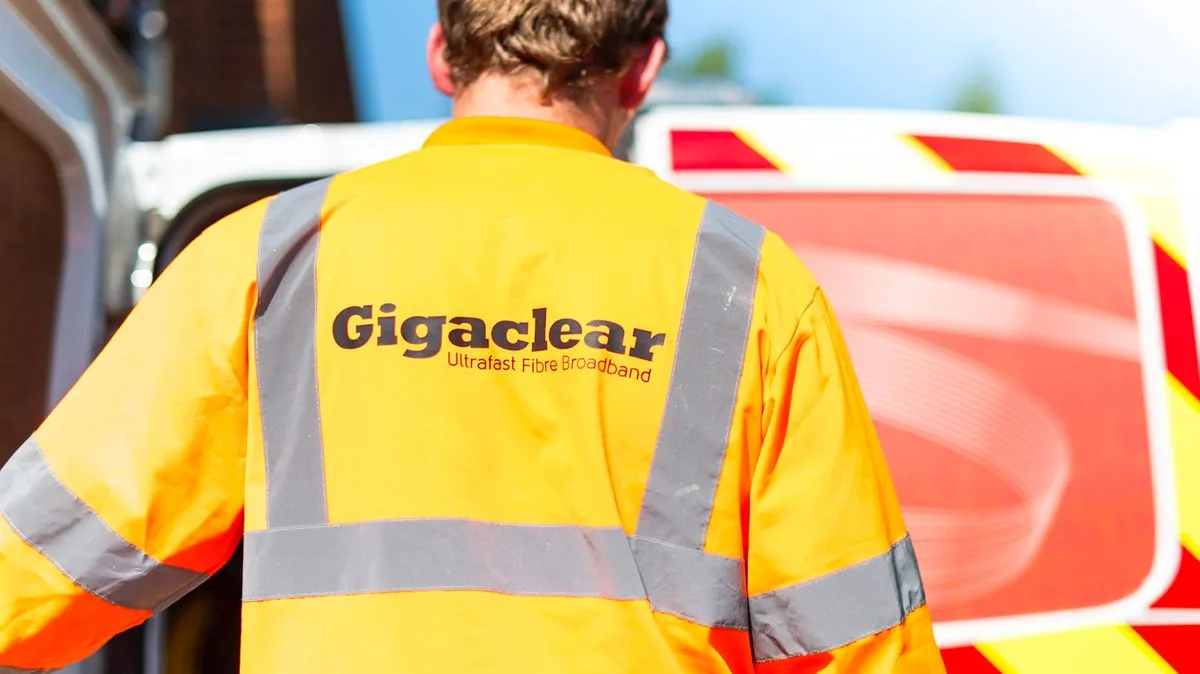
A major UK broadband provider serving over 160,000 customers is teetering on the brink of administration after amassing debts exceeding £1 billion. Gigaclear, which built a full-fibre network in rural England, is now being taken over by its creditors following failed attempts to sell the business.
Financial Pressures Mount for Rural Broadband Challenger
The company's financial troubles intensified after a crucial cash injection from its major shareholder, Equitix, reportedly failed to materialise in 2023. This left Gigaclear struggling under the weight of its debt in a highly competitive market. The firm had to implement job cuts and scale back its ambitious operations due to a combination of rising operational costs, pressure on household budgets, and high interest rates.
According to reports, creditors including the taxpayer-backed National Wealth Fund and high-street banks NatWest and Lloyds are now set to assume control of the heavily indebted provider. This move aims to clear the staggering debt pile.
From Disruptor to Distress: The Rise and Fall of a Fibre Pioneer
Gigaclear was once hailed as a modern challenger in the UK broadband sector, focusing on delivering full-fibre connections to hard-to-reach rural areas. Telecoms expert Ernest Doku from Uswitch had previously highlighted Gigaclear as one of the smaller, disruptive providers offering faster speeds at competitive prices, especially when national internet outages affected customers reliant on traditional networks.
"These new broadband challengers, including Community Fibre, Gigaclear and Hyperoptic, offer an alternative to the mainstream internet service providers," Doku noted, praising their use of independent infrastructure.
Despite this potential, the company's ambitious plan to expand its network to 1 million UK homes proved unsustainable. The competitive landscape, coupled with significant financial headwinds, ultimately derailed its growth strategy.
Leadership's Optimism Contrasts with Harsh Reality
Just last month, Gigaclear's CEO, Nathan Rundle, struck a positive tone regarding the company's future. He referenced £80 million in new funding and reiterated the goal of reaching 1 million premises. Rundle pointed to the company achieving EBITDA positivity and strong customer growth as signs of a "financially secure" and "operationally robust" business focused on "sustainable long-term delivery."
A company spokesperson also stated that "existing stakeholders remain supportive of the business" and that they were working on options for "the long-term success of Gigaclear."
However, these assurances now stand in stark contrast to the reality of creditor takeover and imminent collapse. The situation leaves a significant question mark over the future of high-speed broadband provision for thousands of rural customers and underscores the fierce financial pressures within the UK's telecoms infrastructure sector.