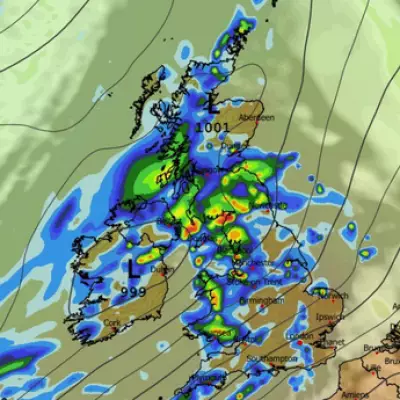
As festive anticipation builds across the nation, the annual question returns: will Britain be treated to a picturesque blanket of snow on Christmas Day? The latest verdict from the Met Office suggests that while temperatures are set to drop, a widespread white Christmas remains improbable for 2025.
High Pressure Brings Frost, Not Flurries
According to deputy chief forecaster Tom Crabtree, high pressure is expected to dominate the weather into the festive period. This will bring drier and less mild conditions, though not a significant cold snap. "Although temperatures will drop, they are not plummeting," Crabtree stated. He highlighted the likelihood of overnight frosts and patches of mist or fog, but played down the prospect of severe cold.
"Falling temperatures do bring the potential for some wintry showers in the east," Crabtree added, offering a glimmer of hope for snow lovers. However, he cautioned that it is still too early to predict specific details for Christmas Day itself, emphasising the uncertainty in the forecast.

Defining a 'White Christmas'
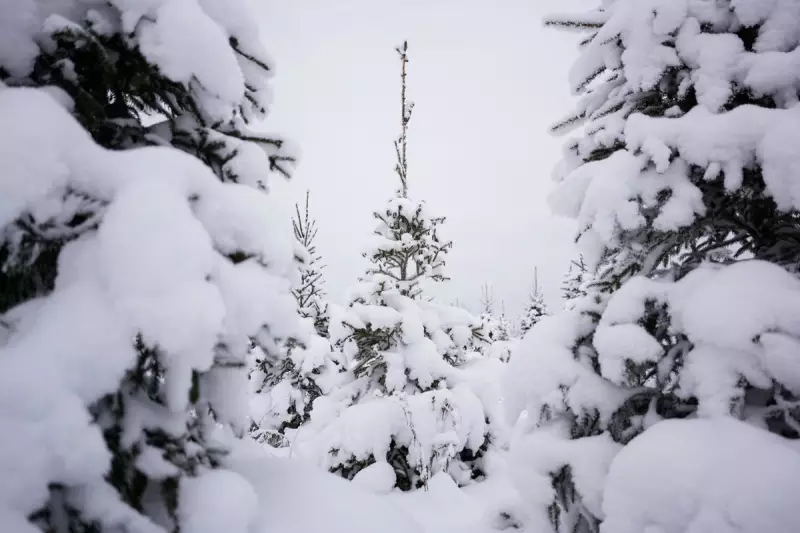
The Met Office has a famously low bar for declaring an official white Christmas. The threshold requires just a single snowflake to be observed falling on Christmas Day, anywhere in the UK. By this definition, they are more common than many think. More than half of all Christmas Days since 1960 have met this criterion, with around half of those years seeing at least 5% of weather stations reporting snowfall.
However, snow that actually settles on the ground is a much rarer festive gift. This has occurred only four times in recent decades: in 1981, 1995, 2009, and 2010. The last widespread covering was in 2010, which remains the UK's whitest Christmas on record, with 83% of weather stations reporting snow on the ground.
Historical Trends and Regional Variations
Technically, the last white Christmas was in 2023, when 11% of stations recorded falling snow, though none reported settled snow. The year prior, in 2024, the Met Office predicted a 'grey Christmas' with rain and mild temperatures.
Historical data from the Met Office reveals clear regional winners in the snow stakes. Since 1960, The Highlands have experienced a remarkable 175 snowy Christmases, followed by Aberdeenshire with 92. For most of the UK, December is only the beginning of the snow season. On average, snow lies on the ground for just 3 days in December, compared to 3.3 days in January and 3.4 in February (based on 1991-2020 averages).
The frequency of white Christmases has declined over the centuries, influenced first by the calendar change in 1752 and more recently by climate change, which has increased average land and sea temperatures, reducing the likelihood of festive snow.
So, while the dream of a snow-covered Christmas morning persists in the national psyche, the 2025 forecast points towards a crisp, frosty, but largely green and grey holiday for most. Those holding out for a true winter wonderland may need to look to the Scottish Highlands or keep their hopes for a surprise January flurry.