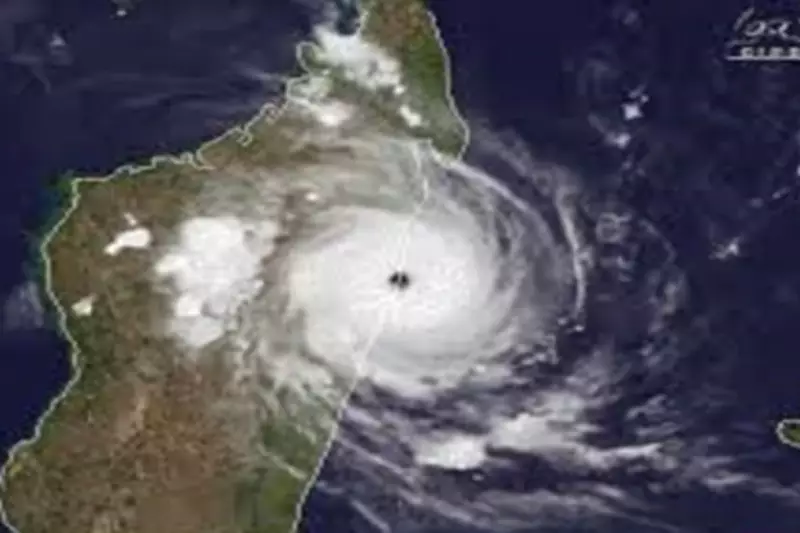
Tropical cyclone Gezani has wrought havoc upon Madagascar, claiming nine lives and inflicting severe damage across the island nation. Authorities confirmed the fatalities on Wednesday, following the storm's landfall on the eastern coastline, which particularly impacted the second-largest city of Toamasina.
Widespread Destruction and Emergency Response
The disaster management office in Madagascar reported 19 injuries and the evacuation of approximately 1,500 residents from the Toamasina district. Gezani unleashed its fury on coastal regions before advancing inland, with sustained winds peaking at around 185 kilometres per hour and gusts reaching nearly 270 kilometres per hour.
This immense force resulted in metal sheeting being torn from rooftops, mature trees uprooted, homes collapsed, walls crumbled, and power lines snapped, leaving numerous neighbourhoods without electricity. Officials had proactively closed schools and prepared emergency shelters in anticipation of the cyclone's arrival.

Eyewitness Accounts of Chaos
Residents of Toamasina described scenes of utter chaos as the storm hit. Harimanga Ranaivo shared a harrowing experience, stating, "I have never experienced winds this violent... the doors and windows are made of metal, but they are being violently shaken." The National Bureau for Risk and Disaster Management had also issued warnings about rising sea levels flooding streets in Toamasina prior to the cyclone's impact.
Second Major Cyclone This Year
This event marks the second significant cyclone to strike Madagascar within a short period. Just ten days earlier, Tropical Cyclone Fytia caused 14 deaths and displaced over 31,000 people, according to the United Nations humanitarian office. The back-to-back storms have exacerbated the humanitarian situation in the region.
Storm Weakening and Projected Path
By Wednesday morning, Madagascar's meteorological service confirmed that Gezani had weakened to a moderate tropical storm. It was moving westward inland, approximately 100 kilometres north of the capital, Antananarivo. The storm is expected to traverse the central highlands before entering the Mozambique Channel by Wednesday evening or night.
Broader Regional Impact
The cyclone's effects are part of a larger pattern of severe weather affecting southern Africa. Last month, Mozambique experienced heavy rainfall leading to severe flooding, which also damaged homes in South Africa and Zimbabwe. The flooding necessitated the evacuation of South Africa's Kruger National Park, highlighting the widespread nature of the climatic challenges in the area.
As recovery efforts begin in Madagascar, authorities continue to monitor the situation closely, assessing the full extent of the damage and coordinating relief operations for affected communities.