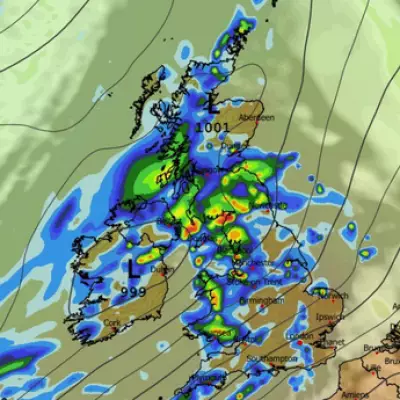
Britain is bracing for a perilous and unusual weather phenomenon, with forecast maps turning a stark orange to signal the arrival of freezing rain in the coming days. The rare event is predicted to strike on the morning of December 30, creating hazardous icy conditions on roads and runways.
What is Freezing Rain and Where Will It Hit?
According to the latest data from WXCharts, which uses MetDesk information, the English-Welsh border regions, specifically Herefordshire and Shropshire, are in the firing line. Unlike regular rain or snow, freezing rain is a liquid precipitation that turns to ice almost the instant it touches any cold surface.
The Met Office explains that this creates a clear, slippery glaze of ice. "Freezing rain is more common in other parts of the world, for example in the USA, where weather systems produce a lot of freezing rain," a spokesperson said. "These are called ice storms, and if enough glaze collects on trees or power lines, the weight of the ice can cause them to break and can result in disruption on a large scale."

The Dangerous Science Behind the Phenomenon
The formation of freezing rain requires a very specific atmospheric setup. High up, precipitation starts as snow or ice. It then falls through a layer of warmer air, which melts it into liquid droplets. Crucially, these droplets then pass through a thin layer of sub-zero air just above the ground, becoming "supercooled."
Upon contact with any surface at or below freezing point—such as roads, pavements, vehicles, or power lines—the supercooled droplets freeze solid immediately. "It can produce striking effects, as the rain drop spreads out momentarily across the surface before it freezes, encasing the surface in a layer of clear ice," the Met Office added, noting that the conditions are "quite specific" and not often seen in the UK.
Risks and the Broader Weather Outlook
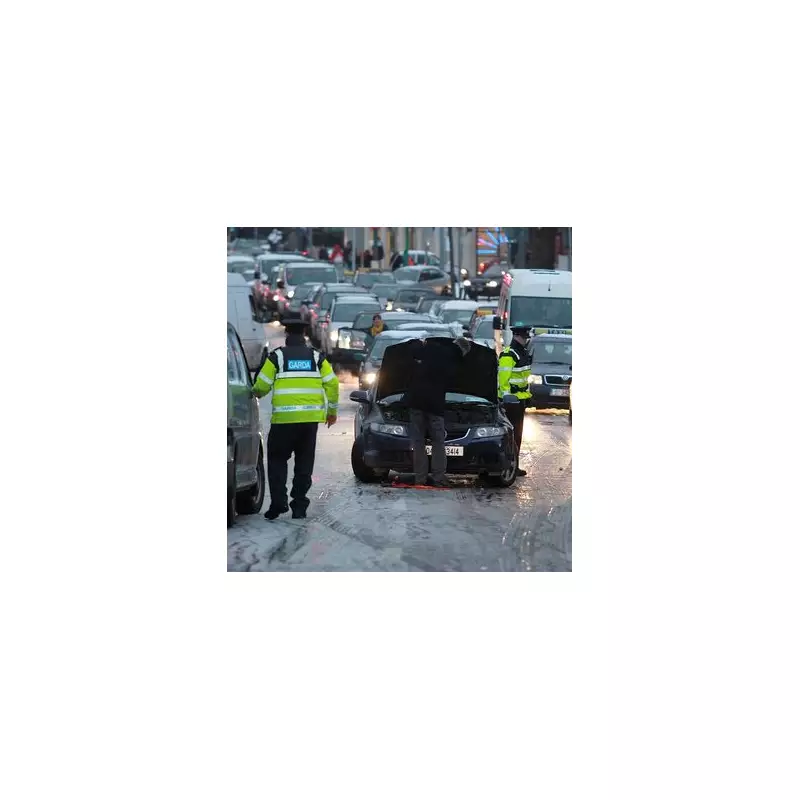
The dangers posed by this event are significant. The resulting ice can be treacherously slippery, leading to extremely dangerous travel conditions. Furthermore, the accumulating weight of the ice can bring down power lines and tree branches, potentially causing localised power cuts and damage.
This warning comes within the Met Office's broader long-range forecast for the period December 23 to January 1. The service predicts a shift to more settled conditions as high pressure builds to the north. However, this will bring a strengthening easterly wind over Christmas, making it feel "noticeably colder."
The forecast states: "Whilst there will be a fair amount of dry weather, a few showers will still be possible, particularly across eastern and southern parts which may be wintry in places, more especially over high ground. Temperatures will likely trend below average with the potential for frost." Towards New Year, the weather may turn wetter again as pressure systems shift.
Authorities are likely to issue travel advisories as the date approaches, urging the public in affected regions to exercise extreme caution on the morning of December 30.