While Britons brace for a chilly spell, daily life continues in a city where temperatures recently plunged to a bone-chilling -45°C. Welcome to Yakutsk in Siberia, Russia, widely recognised as the coldest city on Earth.
The Icy Grip of a Siberian Winter
Home to some 355,000 resilient people, many of whom work in the region's famed diamond mines, Yakutsk is no stranger to extreme conditions. The city holds a formidable record: on 5 February 1891, the mercury dropped to a staggering -64.4°C, as reported by the BBC. Winters here are not only cold but dark, with January days receiving less than four hours of sunlight.
Despite the recent severe freeze, which did force some school closures, residents largely carried on with their routines. To venture outside, bundling up is a non-negotiable art form. An Instagram account, @awareness_of_success, highlighted that locals often don up to 10 kilograms of specialised clothing for protection.

Dressing for Survival, Not Style
YouTuber Kiun B., who grew up in the Yakutia region, shares insights into surviving the harsh climate. "It is an absolute must to wear several layers of clothing," she advises, specifically warning that knees are vulnerable in such cold. Her sister Dayana demonstrated the meticulous layering process: starting with a turtle-neck and leggings, then adding a fleece and padded trousers.
Footwear is critical, with traditional boots crafted from reindeer skin being a popular choice for warmth. Outerwear typically falls into two styles. "One is more feminine with fur coats made of mink or fox," Kiun explains. "Another is more casual with a down jacket, which keeps you very warm, and they are cheaper." The price difference is significant, with Dayana's fur coat costing around £2,220 compared to her £370 down coat.
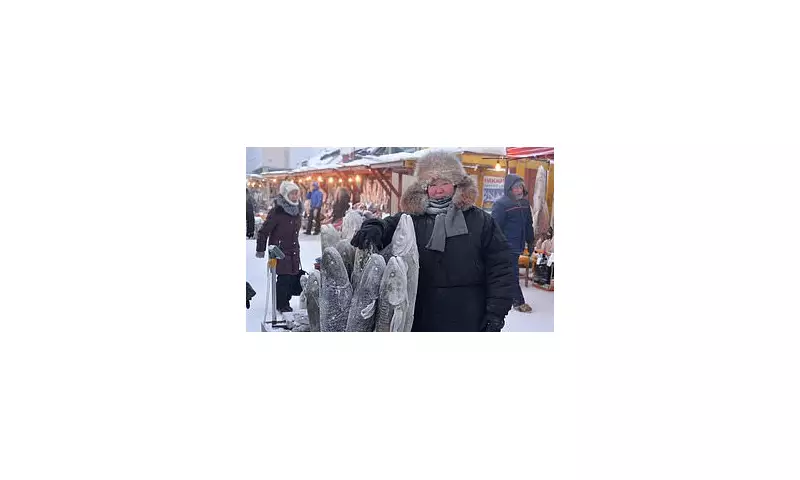
Regardless of the coat, a proper hat is essential. Kiun notes that knitted ones are insufficient, favouring instead a £222 hat made from arctic fox fur. Completing the ensemble are beaded mittens and full face coverings to prevent frostbite on exposed skin.
Adapting to an Extreme Environment
The profound cold dictates many aspects of local life. The diet heavily features meat and fish, as little vegetation can survive. Interestingly, the winter weather acts as a natural freezer for market stalls, eliminating the need for electrical appliances. Car owners must also adapt, often leaving engines running or keeping vehicles covered to prevent them from freezing solid.
Yet, this frozen city experiences a dramatic transformation in summer, with average July highs reaching a comparatively balmy 26°C. This stark seasonal contrast showcases the remarkable adaptability of the people who call the world's coldest city home.