

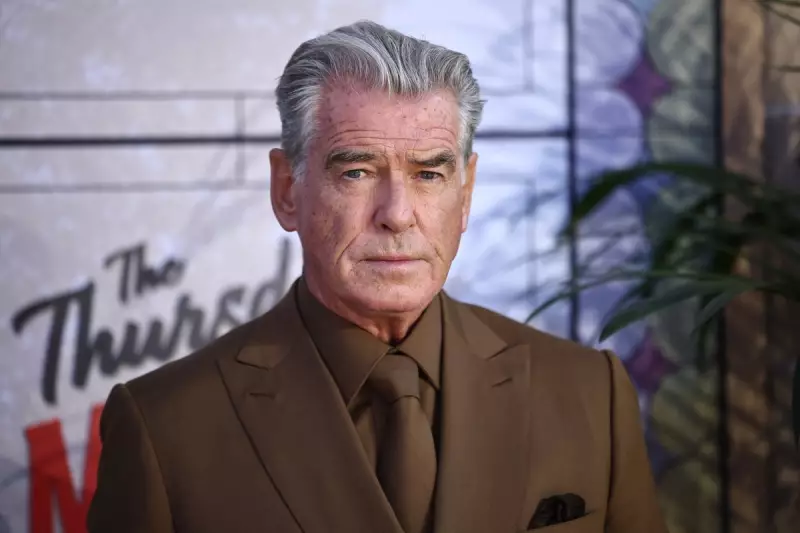
Former James Bond actor Pierce Brosnan has voiced profound concerns over Netflix's proposed multi-billion dollar acquisition of Warner Bros Discovery, labelling the potential merger as 'unsettling' and warning it places too much control over culture in one company's hands.
A 'Dominant Force' in Entertainment
The 72-year-old star, who played 007 in four films, argued that the deal would create a single, overpowering entity dictating what audiences watch and how they see it. 'To have one dominant force that colours what we see, how we see it and where we see it is a change that doesn't feel culturally right,' Brosnan told The Times.
His comments come amid an extraordinary corporate battle for the legacy media conglomerate. Netflix's initial bid, valued at $82.7bn, was countered by a $108.4bn hostile takeover offer from Paramount Skydance. Warner Bros Discovery's board has since urged shareholders to reject Paramount's proposal, citing financing concerns.

Cinemas 'Evaporating from the Landscape'
Brosnan, who recently starred in Netflix's 'The Thursday Murder Club', expressed specific anxiety about the future of cinematic releases. He stated he has personally witnessed movie theatres 'evaporating from the landscape' in both California and London, where he resides.
He fears that iconic Warner Bros and HBO projects would see fewer big-screen outings under Netflix's stewardship, a concern amplified by past comments from Netflix co-CEO Ted Sarandos. In 2023, Sarandos questioned the necessity of cinema screens, remarking that his son enjoyed 'Lawrence of Arabia' on a phone.
'Netflix has given me employment, but you have to be diligent and ask yourself: How do you now traverse these waters without getting mangled and embittered by it?' Brosnan added, acknowledging his complex relationship with the streamer.
Reshaping Hollywood's Future
Should Netflix succeed, the streaming giant would transform into a Hollywood behemoth rivalling Disney. Its library would expand beyond originals like Stranger Things to include the Harry Potter franchise and the entire output of DC Studios.
Brosnan joins a chorus of industry figures, including directors James Cameron and Jane Fonda, in scrutinising the seismic corporate move. The debate continues over what such consolidation means for creativity, consumer choice, and the enduring cultural ritual of going to the cinema.
The final outcome of the bidding war remains uncertain, but its implications will undoubtedly shape the entertainment world for years to come.






