

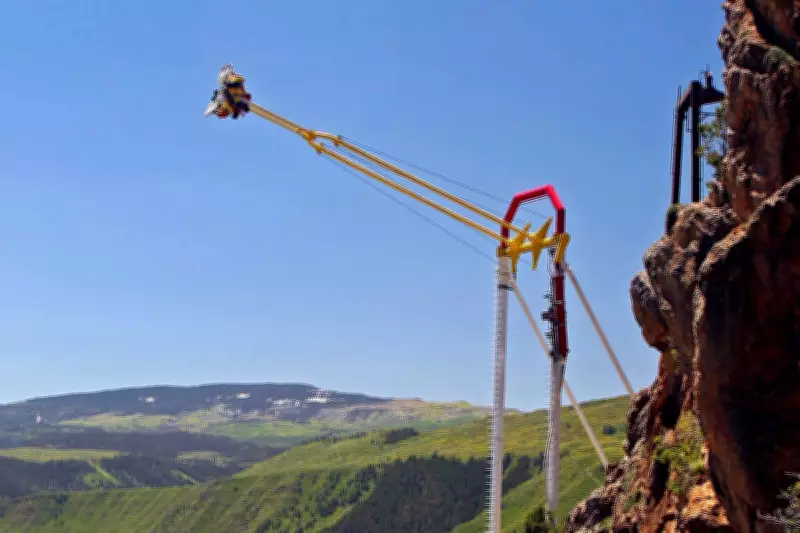
The operator of Glenwood Caverns Adventure Park, a popular amusement park located in Colorado, has officially filed for Chapter 11 bankruptcy protection. This significant financial move comes less than a year after a court order mandated the park to pay over $205 million in a wrongful-death lawsuit.
Background of the Tragic Incident
The lawsuit originated from a devastating incident in 2021, when six-year-old Wongel Estifanos tragically fell 110 feet from the Haunted Mine Drop ride. An investigation into the accident revealed that the young girl was not properly secured in her seat, with park workers lacking the necessary training to identify a critical seatbelt error that could have prevented the fall.
Bankruptcy Filing Details
Despite the bankruptcy filing, the park has confirmed that it will continue to remain open to the public. In a statement, park officials emphasised that the Chapter 11 filing is intended to stabilise the business operations and protect its long-term future, rather than signalling an immediate closure.

The $205 million court order, which stems from the wrongful-death lawsuit, has placed immense financial pressure on the park, leading to this strategic bankruptcy move. Chapter 11 bankruptcy allows the company to reorganise its debts while continuing its day-to-day operations, providing a pathway to potentially recover from the legal and financial repercussions of the tragedy.
Implications for the Amusement Park Industry
This case highlights critical safety and training issues within the amusement park sector, particularly concerning ride maintenance and employee preparedness. The incident has sparked broader discussions about regulatory oversight and the importance of rigorous safety protocols to prevent similar tragedies in the future.
As Glenwood Caverns Adventure Park navigates the bankruptcy process, it aims to address its financial liabilities while maintaining its commitment to visitor safety and operational continuity. The outcome of this filing could set a precedent for how amusement parks manage large-scale legal settlements and financial distress in the wake of accidents.






