

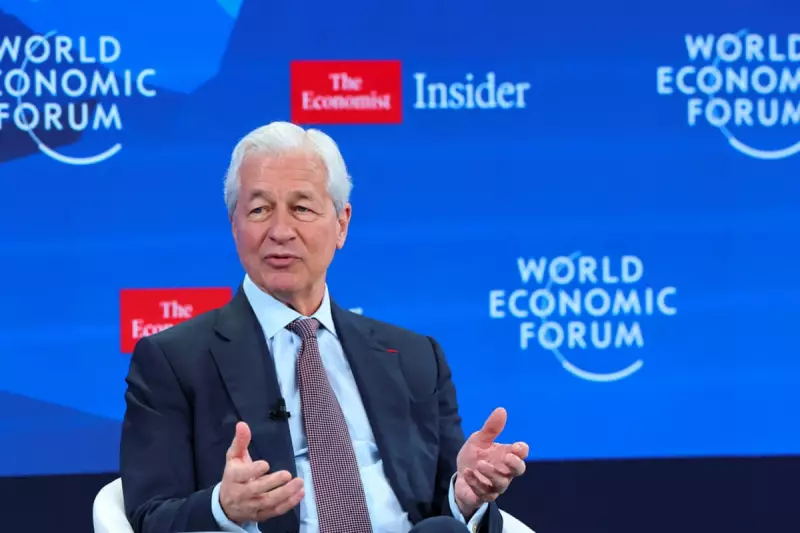
In a significant legal development, former US President Donald Trump has reportedly initiated a lawsuit against JPMorgan Chase and its chief executive, Jamie Dimon, seeking damages of at least $5 billion. The complaint, filed in Miami, accuses the banking giant of unjustly terminating Trump's banking services in the aftermath of the January 6, 2021, Capitol riot.
Allegations of Debanking and Discrimination
Trump's legal team contends that JPMorgan Chase engaged in what they term "debanking" by discontinuing financial services to the president. This move, according to the lawsuit, was based on discriminatory practices that incorrectly targeted Trump following the events at the Capitol. Earlier this month, Trump publicly claimed that the bank had acted "incorrectly and inappropriately" in its decision, suggesting a breach of fair banking protocols.
Reports from Major News Outlets
The lawsuit came to light through reports from Fox Business and Bloomberg on Thursday, which detailed the filing in a Miami court. These sources indicate that the legal action stems from long-standing tensions between Trump and the financial institution, with the president alleging that the bank's actions were politically motivated and violated his rights as a customer.

As of now, JPMorgan Chase has not issued an immediate response to requests for comment on the allegations. The bank's silence leaves many questions unanswered regarding its policies and the specifics of the case, which could have broader implications for banking regulations and customer relations in the United States.
Context and Broader Implications
This lawsuit adds to a series of legal challenges involving Trump, highlighting ongoing disputes in the financial and political spheres. The allegations of debanking raise important questions about how banks manage relationships with high-profile clients, especially in politically charged environments. Observers are closely watching how this case might influence future banking practices and legal standards in similar situations.
More details are expected to emerge as the legal proceedings advance, potentially shedding light on the evidence and arguments from both sides. For now, the case underscores the complex interplay between finance, law, and politics in contemporary America.






