

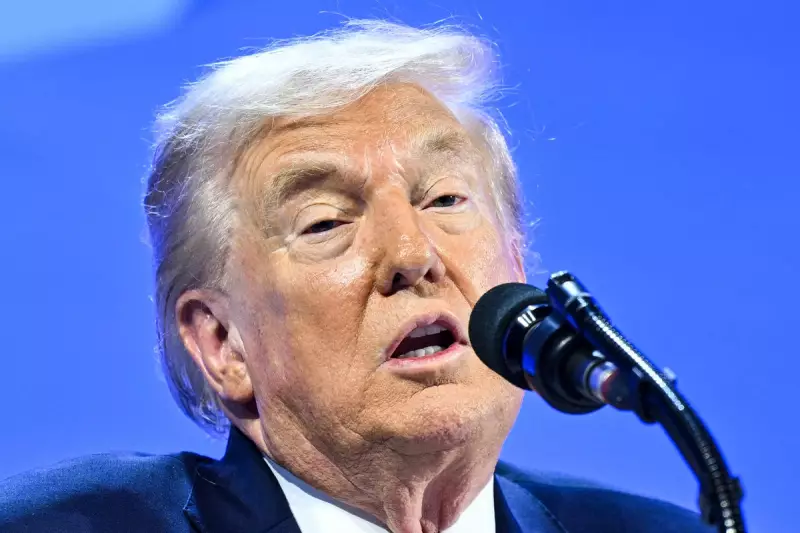
Donald Trump has initiated a substantial $5 billion legal action against JPMorgan Chase, the largest lender in the United States, with allegations that the bank engaged in "debanking" practices against him and his associated hospitality companies. The lawsuit was formally filed on Thursday in a Florida state court located in Miami, with Trump's attorney, Alejandro Brito, leading the proceedings.
Details of the Legal Allegations
The legal documents claim that JPMorgan Chase violated its own principles by terminating several of Trump's bank accounts unilaterally, without providing any prior warning or offering a remedy. This move follows Trump's public announcement over the weekend, where he stated his intention to sue the bank, asserting that he was "debanked" in the aftermath of the January 6 attack on the U.S. Capitol.
JPMorgan's Response to the Lawsuit
In response to the lawsuit, JPMorgan Chase issued a statement expressing regret over the legal action while firmly defending its position. The bank stated, "While we regret President Trump has sued us, we believe the suit has no merit. We respect the President's right to sue us and our right to defend ourselves." The financial institution further clarified its account closure policies, emphasising that decisions are not based on political or religious reasons.

The bank added, "JPMC does not close accounts for political or religious reasons. We do close accounts because they create legal or regulatory risk for the company. We regret having to do so but often rules and regulatory expectations lead us to do so." This statement underscores the bank's commitment to compliance with regulatory standards, rather than any form of discrimination.
Broader Context of Debanking Practices
The practice of "debanking," where financial institutions restrict services to certain industries or individuals, has come under increasing scrutiny in recent times. Last month, a U.S. banking regulator highlighted that nine of the largest banks in the country had previously imposed such restrictions, raising questions about fairness and transparency in the financial sector.
Banks have faced growing political pressure, particularly from conservative circles, who argue that lenders are adopting what they term "woke" political stances. Critics claim that this leads to discrimination against sectors such as firearms and fossil fuels, with allegations that services are denied based on ideological grounds rather than financial risk.
Political Pressure During Trump's Second Term
This pressure intensified during Trump's second term in office, with the former president and his allies claiming that some banks refused to provide services to him and other conservatives. These allegations have been consistently denied by the banks involved, who maintain that their decisions are driven solely by legal and regulatory considerations.
The lawsuit against JPMorgan Chase represents a significant escalation in this ongoing debate, highlighting the tensions between political figures and major financial institutions over account closures and service restrictions. As the legal proceedings unfold, they are likely to draw further attention to the complex interplay between banking regulations, political activism, and corporate responsibility in the modern financial landscape.






