Only 39% of UK Drivers Know About New Fuel Finder Scheme
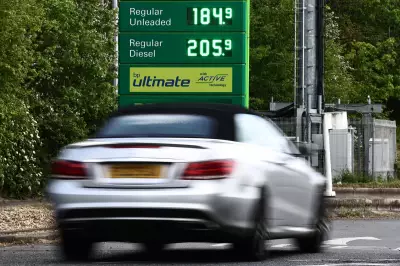
Just 39% of British motorists are aware of the Government's new Fuel Finder scheme, according to exclusive data from Auto Express. The initiative, which launched this week, aims to increase competition by providing consumers with real-time fuel pricing information.
The 30-Minute Rule Comes Into Force
As of 2 February 2026, fuel retailers across the United Kingdom must register their forecourts via an online portal and notify the scheme of any price changes within 30 minutes of them coming into effect. This requirement represents a significant shift in how fuel pricing transparency operates in the UK market.
The scheme was originally proposed by the previous Conservative administration back in 2023 and has now been implemented by Keir Starmer's Labour Government. Officials promise it will "drive up competition and is set to see working families save around £40 a year at the pump."

Simon Williams, head of policy at the RAC, has described the initiative as "the start of the journey to cheaper fuel prices around the UK."
Driver Awareness Remains Surprisingly Low
Despite the scheme's launch, Auto Express polling data reveals concerning gaps in driver awareness. When surveyed on the day the scheme launched, almost half (47%) of drivers admitted they hadn't even heard of the Fuel Finder initiative. A further 14% said they had heard of it but didn't know it had actually launched.
Perhaps most tellingly, only 39% of drivers believe the scheme will actually drive down prices at the pump, suggesting significant scepticism about its potential impact.
Most Drivers Unlikely to Change Their Habits
When asked if they were likely to make use of the new real-time pricing data, just 19% said they were 'very likely' to check fuel prices via the website before filling up. Meanwhile, 38% said they might do so, with 43% saying they were unlikely to bother. Among those unlikely to use the service, almost two-thirds admitted they were 'very unlikely' to compare prices at all.
The data reveals that most drivers do not currently search for the cheapest fuel when filling up. Only 26% said they pick their station based primarily on price. Instead:
- 32% said they just go for supermarket fuel
- 17% pick the closest station
- 10% stick to the same brand consistently
- 15% have no strong preference at all
Savings Thresholds for Changing Behaviour
Auto Express found that most motorists are unlikely to drive out of their way for fuel savings unless the financial incentive is substantial:
- 30% said they'd need to save at least £3 on a full tank
- 28% said it would need to be at least £5
- Almost one in four (23%) said they would not drive out of their way to save on fuel under any circumstances
Experts Question the Scheme's Practical Impact
Tom Jervis, consumer reporter at Auto Express, says the polling data suggests the scheme may have limited effect on driver habits: "While petrol prices may have eased slightly in recent months, fuel remains a significant expense for many drivers, and our data shows cost isn't measured in pounds and pence alone. Time and convenience still play a major role in how people choose where to fill up."
Jervis continued: "In theory, access to live fuel pricing should encourage competition, but unlike online shopping, switching to a cheaper option often means travelling out of your way for relatively small savings. When price differences are typically just a few pence per litre, it's easy to see why many motorists will continue to refuel where it's most convenient."
Success Depends on Implementation and Retailer Response
Steve Walker, head of Digital Content at Auto Express, added important context: "Giving motorists clearer and more accessible information about fuel prices is a positive step, but Fuel Finder will only be judged a success if it leads to genuine reductions at the pump. Transparency on its own won't help cash-strapped drivers if prices remain stubbornly high."

Walker emphasised that "for the scheme to have real impact, it needs to work seamlessly, be accurate and be widely adopted, so it creates meaningful competitive pressure. Crucially, we also want to see fuel retailers address the record margins identified by the Competition and Markets Authority, and pass on falling wholesale prices to consumers just as quickly as they reflect increases."
The scheme's ultimate success will depend not just on driver awareness and adoption, but on whether it can genuinely alter the competitive dynamics of the UK fuel market and deliver tangible savings to consumers who continue to face significant cost pressures.