The Great Easter Egg Debate: When Childhood Traditions End
A significant new study has uncovered a poignant rite of passage for many British adults: the moment their parents stop buying them Easter eggs. According to a poll of 2,000 adults, over half (specifically 52%) reported feeling 'gutted' upon realising they had received their last chocolate egg from their parents. This emotional response highlights the deep-seated cultural attachment to this sweet seasonal tradition.
A Sudden Shift to Adulthood
The research, commissioned by confectionery giant M&M'S as part of their Great Easter Egg Debate, found that nearly two-thirds (58%) of adults were not forewarned about this change, with many stating it 'just stopped' without explanation. For 22% of respondents, this moment was pinpointed as the definitive acknowledgment that they were 'officially a grown-up', marking a symbolic shift from being cared for to fending for themselves.
Despite this, the data reveals a strong nostalgic desire to cling to childhood joys. A substantial 72% of adults believe you are never too old to celebrate Easter with a chocolate egg. However, only 15% of adults still receive chocolate treats at Easter from their parents or guardians, indicating a widespread discontinuation of the tradition.

Self-Sufficiency and Disappointment
In response, one in five adults have resorted to buying an egg for themselves each year, 'because they can', showcasing a blend of independence and sentimentality. Among those who still receive eggs, 57% would be disappointed if they stopped, and nearly a quarter (24%) would be happy to openly complain about it, underscoring the emotional weight of this custom.
The study also quantified the chocolate exchange: the average person receives one and a half chocolate eggs annually but purchases nearly four for others, suggesting adults actively perpetuate the tradition for younger generations or peers.
What Brits Miss Most About Easter
Broadly speaking, what people cherish most about Easter includes reuniting with family (25%), the arrival of lighter evenings (24%), and the bank holiday weekend (20%). Yet, as people age, nostalgia takes hold, with specific childhood elements being missed the most:
- Waking up to chocolate on Easter morning (15%)
- Easter egg hunts (14%)
- Being bought Easter eggs without thinking about it
- Easter feeling more exciting and magical than it does now
- Family traditions around Easter
According to OnePoll.com data, 27% of those who have left home don't bother with Easter eggs after moving out, indicating a segment that fully embraces the adult break from the tradition.
Celebrity Perspectives and Corporate Campaign
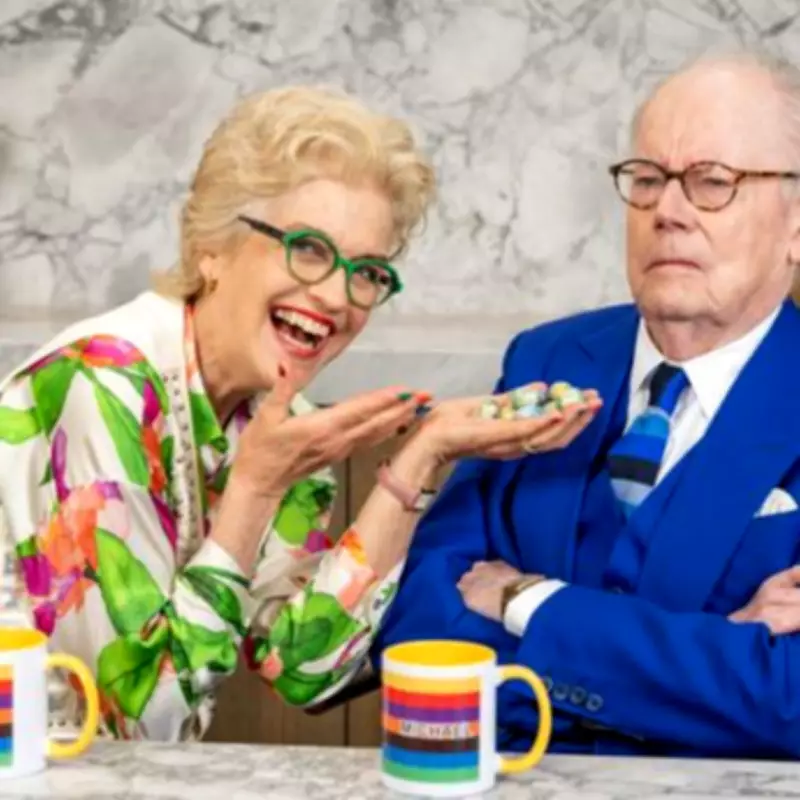
The research was highlighted by a debate between Michael and Hilary Whitehall, who presented opposing views. Michael argued, 'Frankly, once you're an adult you should be self-sufficient and responsible for your own Easter chocolate.' In contrast, Hilary countered, 'I say just because you're grown-up doesn't mean you have to act like it. You're never too old for a chocolate egg at Easter.'
Steve Waters, director of eggcellence at M&M'S, commented on the findings: 'Easter eggs are one of those little joys that quietly slip away as we move into adulthood, but who says they have to? This campaign is about reminding people that chocolate, fun and a bit of cheeky tradition don't need to have an age limit. We're here to stir the debate and give everyone a playful excuse to hold onto their Easter eggs, no matter how adult they are.'
This study not only sheds light on a common emotional experience but also fuels a larger conversation about aging, tradition, and the simple pleasures that define British cultural life during the Easter season.