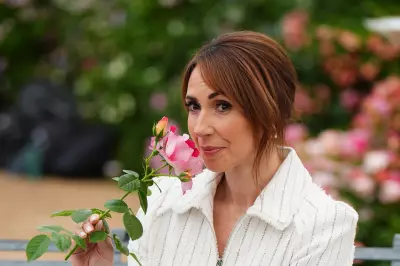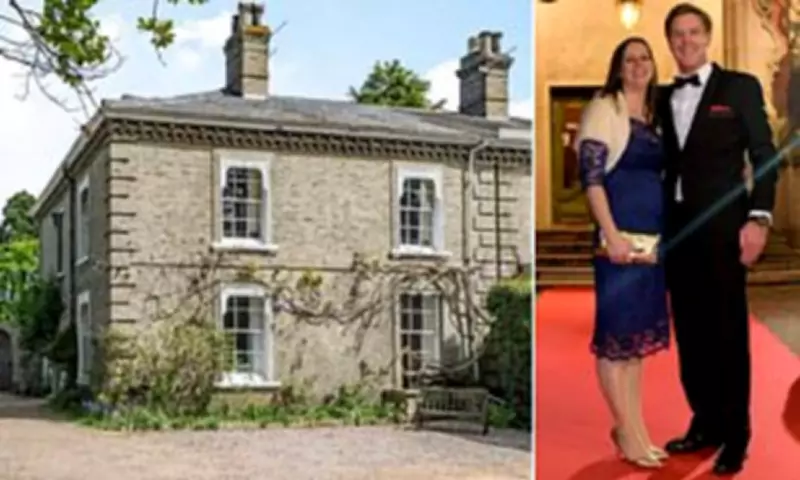
A former British ambassador has become embroiled in a contentious planning dispute with one of England's oldest civic bodies over proposed alterations to her historic home in Norwich.
Diplomatic Skills Tested on Home Soil
Sarah Cowley, whose distinguished 20-year diplomatic career included serving as British Ambassador to Latvia and most recently as deputy head of mission in Madrid, has found her powers of persuasion challenged in her native Norfolk. The dispute centres on her application to increase the size of the £1.5 million Grade II listed Georgian property she shares with her husband, Paul Boschi, and their two young children.
Controversial Extension Plans
Ms Cowley, who is preparing to take up a new £100,000-per-year role as chief executive of the Broads Authority in August, sought permission to build a first-floor addition above an existing modern ground floor extension at her Norwich home. The semi-detached property, featuring four bedrooms and three bathrooms, sits on a quarter-acre plot in an upmarket area of the historic cathedral city.

Influential Opposition Emerges
The planning application was refused following a formal complaint from the influential 'Freemen of Norwich', a powerful group of local citizens including politicians, lawyers, and businesspeople that dates back to the early 15th century. Among their membership is Labour councillor and former mayor Dr Kevin Maguire, who served as a Broads Authority member until last year, creating an uncomfortable overlap of interests.
The Freemen argued in their detailed submission that the proposed extension would be 'incongruous' with the historic character of the area and would 'overshadow' neighbouring properties. Norwich City Council subsequently refused planning permission, with officials stating the 'over-dominant' changes would cause 'irreversible and lasting damage' to the heritage property.
Historical Context of the Dispute
The Freemen of Norwich governed the area until the introduction of modern local government in the 1830s and once owned substantial tracts of land where Ms Cowley's home now stands. Although much of this land has been sold to fund the group's charitable causes, including educational grants, they maintain significant interests in the area's development.
Appeal Sparks Fresh Controversy
The former ambassador and her husband have appealed against the council's decision by applying for a ruling from the Planning Inspectorate. This move has generated renewed local opposition, with one resident formally complaining that the extension would 'fail to respect the historic character and architectural vernacular' of surrounding buildings. Additional concerns have been raised about potential impacts on neighbours' privacy.
Evert Amador of Cam Architects, the couple's planning agent, responded to the criticisms, stating: 'Respectfully, how can the first-floor extension be incongruous when its design does not differ from the approved ground extension?'
Distinguished Career Background
Ms Cowley began her career in the NGO sector before moving into private sector roles in the UK and Central America. She joined the Foreign and Commonwealth Office in 2005, serving in diverse positions across Europe, Afghanistan, Pakistan, and working on Middle East issues, the London 2012 Olympics, and consular crisis management before her ambassadorship to Latvia from 2013 to 2017.
New Role with Planning Responsibilities
Ironically, Ms Cowley's new position as head of the Broads Authority will involve overseeing the organisation's own planning department when she takes up her post in August, replacing John Packman after his 25-year tenure. The Authority's website announcement described her as having a 'long-standing personal connection to the area' and a 'deep commitment to protected landscapes.'
In her statement, Ms Cowley expressed excitement about 'working in partnership with all who live and work in the Broads' and emphasised the importance of 'conserving and enhancing this unique wetland' while ensuring public access and safeguarding navigation.

Historical Significance of the Freemen
Norwich was governed by aldermen and councillors - all Freemen elected by their peers - following a royal 'Charter of Incorporation' granted by King Henry IV in 1406. Membership historically required being the son of a Freeman or completing at least seven years' apprenticeship with one. The ancient system of self-government was replaced by the modern structure introduced through the 1835 Municipal Corporation Act.
Today, approximately 1,000 members belong to the Freemen of Norwich, including 250 women who have only been permitted to join since 2010. The organisation continues to wield significant influence in local planning matters, as demonstrated by their successful intervention in this case.
When contacted for comment, the Broads Authority stated that Ms Cowley 'does not yet work for the Broads Authority and is not in-post until the summer.' Norwich City Council confirmed they 'await the decision from the Planning Inspectorate on this case.'