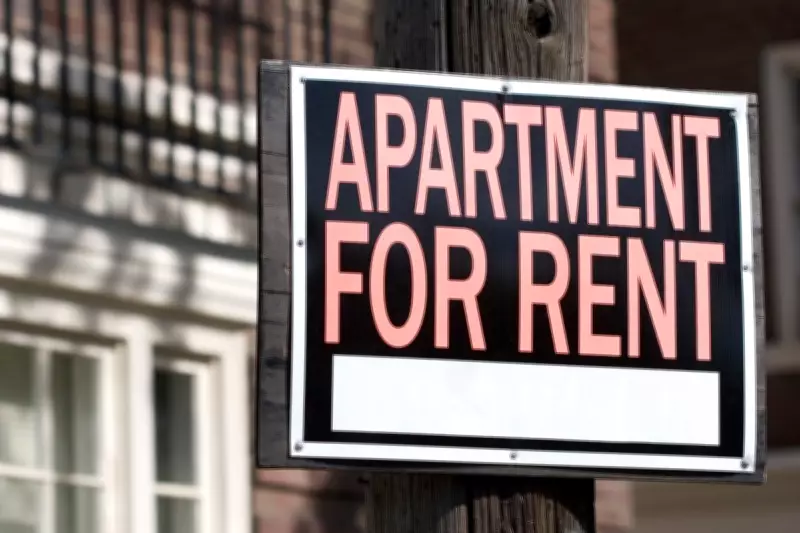
The Rising Appeal of Rent Now, Pay Later Services
In the United States, approximately 109 million individuals, equating to around 42.5 million households, are currently renting their homes. With housing expenses climbing steadily, many are seeking innovative ways to manage their monthly budgets. A growing trend among renters is the adoption of 'rent now, pay later' services, which promise to alleviate the burden of paying rent in one lump sum at the start of each month.
How These Services Operate and Their Associated Costs
These financial products work by allowing companies such as Flex, Livble, and Affirm to pay the full rent to landlords on the due date. Renters then repay the company in multiple instalments throughout the month. While this approach can provide temporary cash flow relief, it often comes with significant fees that function similarly to short-term loans.
For instance, Kellen Johnson, a 44-year-old from Sacramento, California, used Flex to split his $1,850 rent into two payments: $1,350 on the first and $500 on the 15th. He incurred a $14.99 monthly subscription fee plus 1% of his total rent, amounting to $18.50, resulting in over $33 in monthly charges. When calculated as a standard consumer loan, this equated to an effective annual percentage rate of 172% for the two-week $500 loan.

The Broader Impact on Renters and the Rental Market
According to the Bureau of Labor Statistics, rents have surged by nearly 28% over the past five years, placing immense pressure on lower-income and gig-economy workers. The Census Bureau estimates that a substantial portion of renting households spend 30% or more of their income on rent, classifying them as 'cost burdened' and limiting their ability to save or invest for the future.
Consumer advocates, including Mike Pierce, executive director of Protect Borrowers, urge renters to exercise caution. Pierce emphasises that any financing provider partnering with a landlord should be viewed skeptically, especially those marketing themselves as having no fees or interest. He highlights that these services often layer additional costs onto already tight budgets.
Comparative Analysis with Other Payment Methods
Alternative options like paying rent via credit cards are also gaining traction. Startups like Bilt target renters specifically, while others use cards to earn rewards. However, landlords typically pass processing fees of 2.5% to 3.5% onto tenants, translating to $37.50 to $52.50 monthly for a $1,500 rent—comparable to fees from services like Livble and Flex.
Livble, for example, charges fees of $30 to $40 per transaction, with effective annual percentage rates ranging from 104% to 139%. Meanwhile, Affirm is piloting a rent-splitting program with Esusu, claiming no interest or fees for renters but potentially charging landlords.
Underlying Concerns and Market Implications
Economists and renters' advocates argue that these financing solutions do not address the core issue of rental affordability. There is a concern that widespread adoption could lead to further rent increases, as landlords might begin to factor in tenants' cash flow capabilities rather than local market rates. This mirrors how merchants incorporate credit card processing costs into prices.
Notably, Livble is owned by RealPage, which recently settled allegations that its algorithm facilitated collusion among landlords to inflate rents. This backdrop raises questions about whether rent now, pay later services genuinely ease financial pressures or inadvertently deepen them by encouraging dependency on high-cost credit.
As the rental market continues to evolve, renters are advised to scrutinise the true costs of these services, considering both immediate convenience and long-term financial health.