In today's diverse workforce, where at least five generations collaborate side by side, colleagues can sometimes feel as though they are speaking entirely different languages. The varying approaches to tasks and communication styles among employees born decades apart often lead to misunderstandings. However, forward-thinking organisations are transforming these natural generational divides into a powerful competitive edge through innovative reverse mentoring initiatives.
Leveraging Generational Superpowers
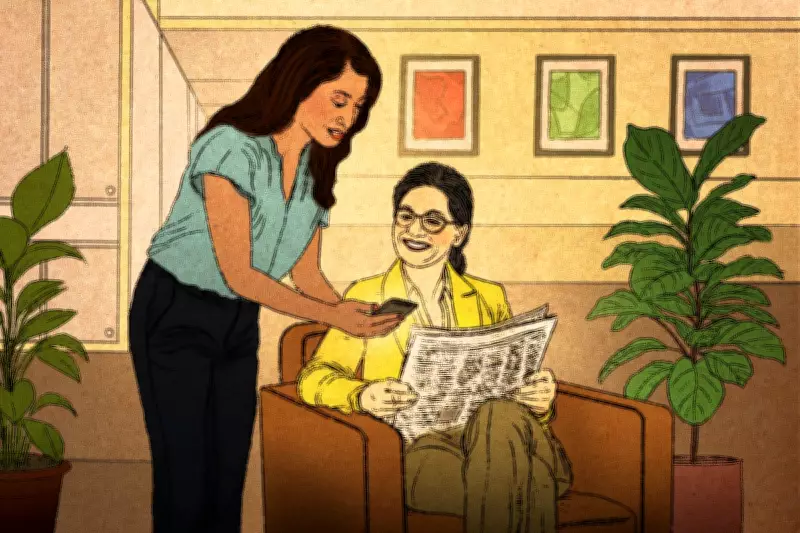
Unlike traditional mentorship models, where older, experienced professionals guide younger colleagues, reverse mentoring flips this dynamic on its head. It provides less experienced staff members with the opportunity to educate seasoned colleagues about emerging trends, technologies, and cultural shifts. This approach recognises the unique strengths each generation brings to the table, fostering an environment of mutual skill-building and respect.
Cathy Bussewitz, reporting on workplace wellness, highlights how these programs are gaining traction. Barbara Goldberg, CEO of a Florida public relations firm, exemplifies this shift. As a baby boomer, she cherishes reading physical newspapers, while her Generation Z employees are immersed in digital platforms like TikTok and Instagram. Initially, this disparity in media consumption habits seemed like a barrier, but Goldberg soon realised it was an asset.

At weekly staff meetings, conversations that once focused on news stories now delve into the latest slang, digital tools, and memes. Goldberg recalls listening without judgment and thinking, "Shoot, this is actually really insightful. I need to know the trending audio and I need to know these influencers." She credits her younger colleagues with keeping her attuned to the cultural conversations she might otherwise miss, describing generational differences as a "superpower" where "the magic happens."
Structured Programs for Mutual Growth
Beauty product giant Estée Lauder launched a global reverse mentoring program a decade ago, responding to the rapid shift in consumer behaviour towards social media influencers. Peri Izzo, an executive director who oversaw the initiative, notes that the voluntary program now involves roughly 1,200 participants. Millennials and Gen Zers serve as mentors, paired with baby boomer and Generation X mentees, using definitions from the Pew Research Center.
To break the ice, participants engage in activities like a Gen Z vocabulary quiz. Young mentors introduce phrases from their group chats, such as "living rent-free in your head," which refers to something that constantly occupies your thoughts. Izzo shares a humorous anecdote where one mentee misinterpreted it as a literal reference to a son living rent-free at home, highlighting the learning curve and fostering laughter and connection.
Madison Reynolds, a 26-year-old product manager at Estée Lauder, serves as a reverse mentor, teaching older colleagues phrases like "You ate it up," meaning a job well done. She provides constructive feedback when her manager experiments with Gen Z slang, reinforcing a culture of give-and-take.
Unexpected Benefits Across Industries
The benefits of reverse mentoring extend beyond corporate settings. Bruce Haines, an 81-year-old hotelier at the Historic Hotel Bethlehem in Pennsylvania, brought in university athletes for a mentorship program. While he taught them about entrepreneurship by having them shadow managers, he gained unexpected marketing insights. The students advised shifting focus from Facebook to Instagram and YouTube to reach younger audiences, and suggested offering prepackaged ice cream pints, which significantly boosted sales and profitability.
Haines describes the experience as "energizing" and "reinvigorating," emphasising how it enhanced the hotel's outreach efforts. Similarly, in healthcare, Dr. Alexa B. Kimball of Harvard Medical Faculty Physicians adapts communication styles across age groups. A reverse mentoring program helped when launching a new medical records system, pairing workers with tech-savvy, younger colleagues for support, reducing frustrations and improving adoption rates.

Bridging Skills Gaps and Fostering Respect
Reverse mentoring also addresses critical skills gaps, such as in phased retirement scenarios. At healthcare technology company Abbott, 62-year-old Robert Poole, an expert in laser equipment, is mentoring 33-year-old Shahad Almahania as he approaches retirement. Poole shares decades of knowledge on custom equipment, while learning from Almahania about modern tools like Slack and emojis, demonstrating a two-way exchange of expertise.
Leena Rinne, vice president at Skillsoft, summarises the core principle: "When you strip away all the generational stereotypes, every age group, every person, is looking for some of the same things. They want supportive leadership, opportunities to grow and contribute, respect, and clarity."
By embracing reverse mentoring, organisations are not only reducing workplace misunderstandings but also building more cohesive, innovative, and resilient teams. This approach turns generational diversity from a potential challenge into a celebrated advantage, ensuring that all employees, regardless of age, feel valued and empowered to share their unique perspectives.