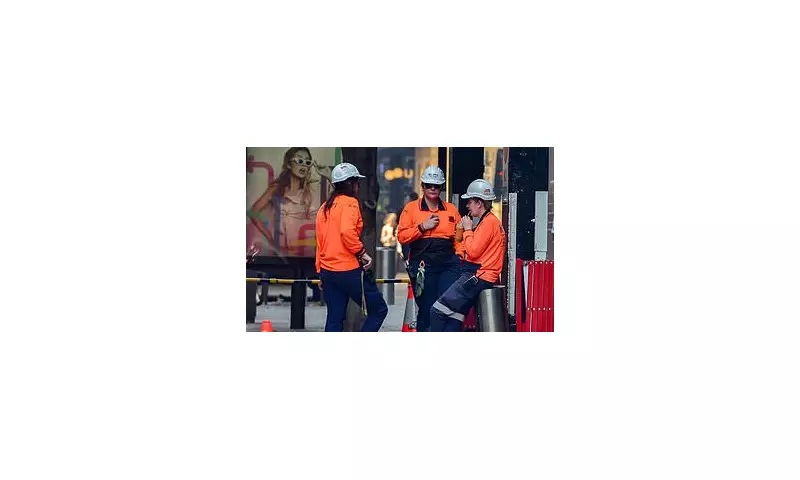
A blistering heatwave sweeping across Sydney has brought construction sites to a standstill, with workers legally downing tools as temperatures soar past 38 degrees Celsius.
The Legal Right to Stop Work
The Construction, Forestry, Maritime, Mining and Energy Union (CFMEU) has confirmed its members are fully within their rights to cease work when the mercury hits a specific threshold. The union mandates an orderly stoppage once the temperature reaches 35 degrees Celsius or the humidity level exceeds 75 per cent. This allows for the safe completion of any critical tasks already in progress.
"If the on-site temp hits 35C, it's your right to stop work. Working in the heat and humidity is dangerous," the CFMEU stated clearly. For areas of a site that remain below this critical temperature, work can continue as normal.

Employer Obligations and Worker Safety
Even at temperatures below 35C, the union insists that employers must take proactive steps to protect their workforce. This includes relocating staff out of direct sunlight where there is a serious risk to health and safety.
Employers have a firm duty of care during extreme weather. The CFMEU specifies they must provide:
- Sunscreen
- Cool, clear drinking water
- Air-conditioned site sheds for breaks
- Hard hat brims and sunglasses where required
Recognising and Preventing Heat Illness
Working in such extreme conditions poses significant health risks. The union has issued clear guidance to help workers cope and recognise danger signs.
Key tips for staying healthy in hot weather include drinking 100-200ml of water at regular intervals before feeling thirsty, and avoiding dehydrating drinks like coffee, tea, and alcohol. Wearing light-coloured, loose clothing made from natural fibres and taking regular breaks in a cool place are also crucial.
Signs of heat illness must not be ignored. Symptoms include feeling sick, nauseous, dizzy, or weak. In severe cases, clumsiness, collapse, and convulsions can occur. The CFMEU stresses that any employee showing these signs requires immediate medical attention.
Workers are also advised to consider specific on-site hazards such as radiant heat from surfaces like bondeck and roofing, sun glare, and the physical demands of their particular task.