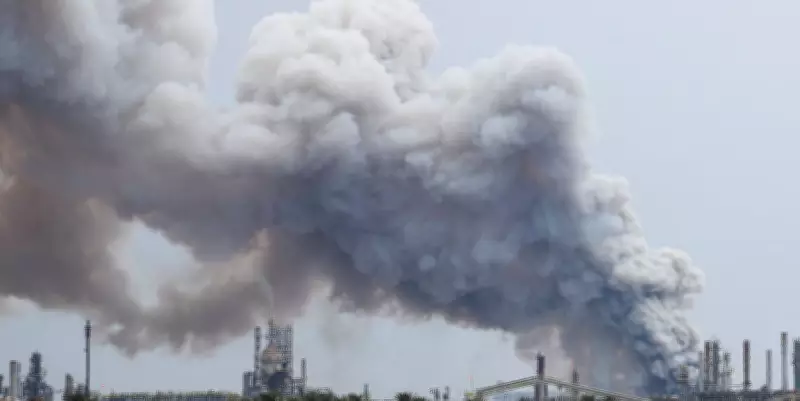
Bahrain's state oil company has taken the significant legal step of declaring 'force majeure' on its shipments, a move directly triggered by an Iranian missile attack that ignited its refinery. The declaration, formally issued on Monday, legally absolves the company from its contractual duties due to the extraordinary and uncontrollable circumstances now severely impacting its operational capacity and delivery capabilities.
Understanding Force Majeure in Crisis Situations
According to legal analyses from sources including Thomson Reuters, force majeure typically refers to acts, events, or circumstances that are entirely beyond the control of the involved parties. These can encompass natural disasters or, as in this case, the outbreak of hostilities and military attacks. The core principle of a force majeure clause is to excuse a party from, or permit them to suspend, the performance of all or part of their contractual obligations when such uncontrollable events occur.
Implications of the Declaration
This means that following the occurrence of these events, the company invoking the clause will not be held liable for its failure to perform these duties, in accordance with the pre-agreed terms of the contract. The overnight Iranian missile attacks, which also triggered air defence systems across Qatar and the United Arab Emirates, have created a situation where normal business operations are impossible, justifying this legal manoeuvre.

The attack has not only caused immediate physical damage but also poses ongoing risks to supply chains and regional stability. By declaring force majeure, Bahrain's oil company is proactively managing its legal and financial exposures during a period of severe disruption, ensuring it is not penalised for circumstances entirely outside its control.