Drivers Urged to Limit Travel as Iran Conflict Sends Oil Prices Soaring
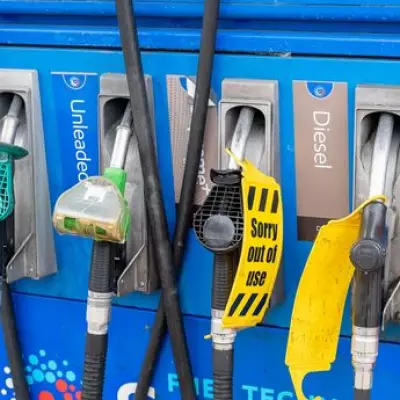
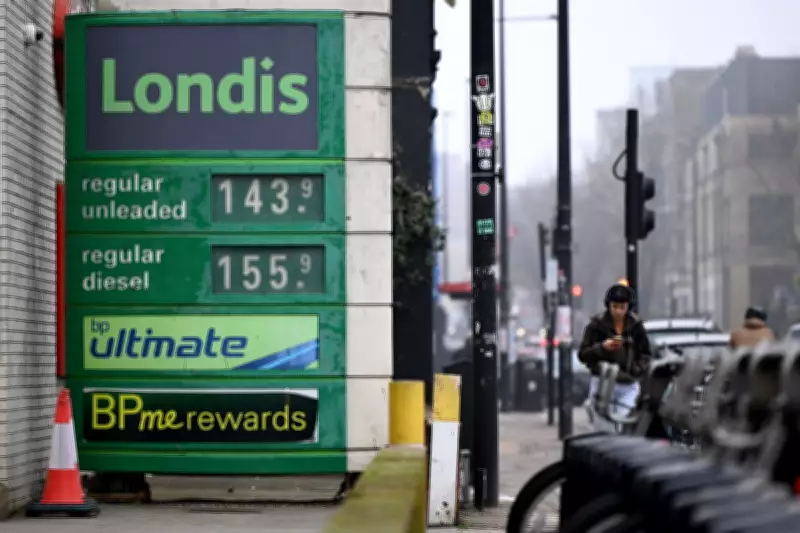
Fuel prices are expected to increase significantly after oil costs surpassed $100 per barrel for the first time since 2022. This surge follows recent US and Israeli airstrikes on Iran, escalating tensions in the Middle East and disrupting global oil markets.
Political and Economic Reactions
Former US President Donald Trump commented that rising fuel costs represent a small price to pay given the ongoing conflict. In contrast, UK Labour leader Sir Keir Starmer expressed concerns about the potential economic fallout from a prolonged crisis, warning of broader impacts on households and businesses.
Edmund King, president of the Automobile Association (AA), has advised motorists to reconsider their travel plans. Drivers should aim to cut out non-essential journeys and adopt more fuel-efficient driving techniques to mitigate the financial strain, King stated. He clarified that pump price increases will be gradual, as current fuel stocks were purchased at lower prices before the recent spike.

Global Market Responses
In response to the volatility, G7 nations are scheduled to meet to discuss potential measures, including the release of strategic oil reserves. This action aims to stabilise markets and prevent further price escalations that could exacerbate inflation and economic uncertainty worldwide.
The situation underscores the fragile balance in global energy markets, where geopolitical events can swiftly translate into higher costs for consumers. Authorities continue to monitor developments closely, urging preparedness and conservation efforts among the public.