Drivers Urged to Halt Non-Essential Car Journeys to Conserve Fuel
Motorists across the United Kingdom are being strongly advised to consider cutting out all non-essential car journeys in a bid to save fuel as prices continue to climb sharply. This guidance comes alongside recommendations to alter driving styles to enhance fuel efficiency during this period of economic pressure.
Surge in Oil Prices Drives Fuel Cost Increases
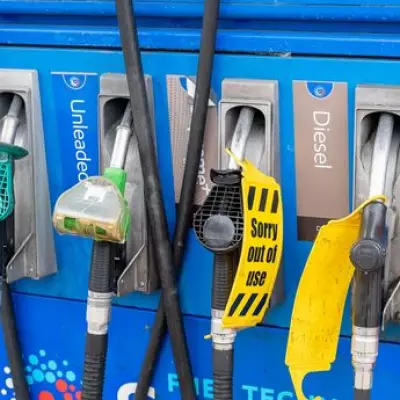
The average price for a litre of petrol at UK forecourts has risen by 5p since the conflict in the Middle East began on February 28, now standing at 137.5p. Diesel prices have experienced an even steeper increase, jumping 9p to reach 151.0p per litre. These hikes are directly linked to oil prices soaring above 100 dollars a barrel for the first time since 2022, a direct consequence of the ongoing geopolitical tensions.
Analysis conducted by the Energy and Climate Intelligence Unit, a prominent think tank, reveals the historical correlation between oil and fuel prices. Their research indicates that oil trading at 100 dollars per barrel typically results in petrol prices of approximately 150p per litre. Should oil prices escalate to 120 dollars a barrel, petrol costs could surge to around 170p per litre, painting a concerning picture for consumers.

Expert Advice on Managing Fuel Consumption
AA president Edmund King, who issued the initial advice, emphasised the prolonged impact of the conflict. "The longer this conflict goes on, the more effect it will have on the cost of oil," Mr King stated. "Any time Brent Crude passes 100 dollars per barrel raises concern across the markets, for the haulage industry and drivers."
He clarified that while pump prices will see gradual increases, they should not spike overnight as fuel has been purchased at previous prices. "Our suggestion is that drivers should not change their refuelling habits but can consider cutting out some non-essential journeys and changing their driving style to conserve fuel," Mr King added, highlighting practical steps for motorists.
RAC head of policy Simon Williams echoed these concerns, noting the rapid rise in average petrol and diesel prices over the past week. "The situation for UK drivers is looking increasingly bleak," Mr Williams warned. "Unleaded is almost certainly going to reach an average of 140p in the next week or so, while diesel looks highly likely to climb to at least 160p a litre."
He encouraged drivers to continue filling up as normal but to actively shop around for the best available prices to mitigate the financial strain.
Practical Recommendations for Motorists
In light of these developments, drivers are recommended to:
- Eliminate non-essential car journeys where possible to reduce fuel consumption.
- Adopt fuel-efficient driving techniques, such as smoother acceleration and maintaining steady speeds.
- Compare fuel prices at different forecourts before refuelling to secure the best deals.
- Monitor oil market trends to anticipate further changes in fuel costs.
As the conflict persists, the advice from motoring organisations remains clear: proactive measures in journey planning and driving behaviour are essential to navigate the escalating fuel price landscape effectively.