Aviation Sector Plunges into Crisis as Oil Prices Surge Amid Iran Conflict
The global aviation industry encountered severe turbulence on Monday, with airline stocks plummeting and airfares skyrocketing by up to seven times their previous levels. This dramatic shift is directly attributed to a sharp escalation in oil prices, driven by the intensifying US-Israeli conflict with Iran, which has sent shockwaves through markets and travel sectors worldwide.
Oil Prices Soar to Levels Not Seen Since 2022
Crude oil prices surged by an alarming 15 per cent, breaching the $105 per barrel threshold—a peak not witnessed since 2022. This dramatic increase has been fuelled by supply reductions from major oil-producing nations and mounting anxieties over prolonged shipping disruptions. Brent crude futures experienced a brief but staggering jump of up to 29 per cent, highlighting the volatility gripping energy markets.
The ripple effects have been immediate and severe, with jet fuel prices doubling since the onset of the conflict. This intensifies pressure on airlines already grappling with restricted airspace, as pilots are forced to reroute flights to avoid the volatile Middle East region. Thousands of passengers have been left stranded, compounding operational strains and logistical nightmares for carriers.

Analysts Warn of Potential Industry Collapse
Deutsche analysts issued a stark warning, stating, "Absent near-term relief, airlines around the world could be forced to ground thousands of aircraft while some of the industry's financially weakest carriers could halt operations." This dire prediction underscores the precarious position of the aviation sector, with fuel costs—typically accounting for 20-25 per cent of operating expenses—now spiralling out of control.
Lorraine Tan, director of equity research for Asia at Morningstar, emphasised the broader implications: "The issue for the airlines now is that travel demand may be curtailed as costs become prohibitive for leisure travellers and as some companies start to limit business travel due to the uncertain outlook. The impact of high airfares could limit travel demand for much of 2026."
Global Airline Shares Tumble Amid Widespread Disruption
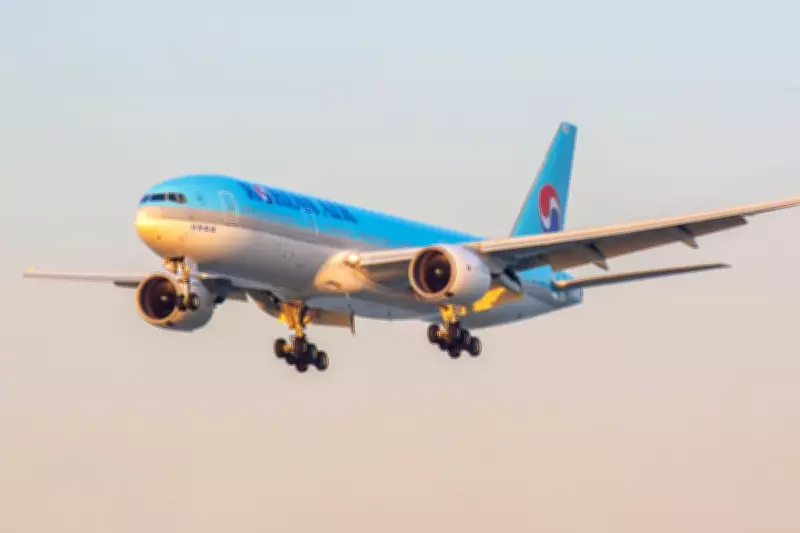
Airline shares suffered significant losses across global markets. In Asia, Korean Air Lines slid by 8.6 per cent, Air New Zealand fell 7.8 per cent, and Cathay Pacific dropped 5 per cent. European carriers were not spared, with Air France, British Airways owner IAG, Wizz Air, and Lufthansa declining between 2.5 per cent and 6 per cent in morning trading. Major US airlines also saw pre-market drops of approximately 4 per cent.
On the consumer front, ticket prices have surged dramatically. For instance, direct flights from Seoul to London with Korean Air Lines on 11 March leapt to $4,359 (£3,264), a staggering increase from $564 (£422) just seven days earlier, according to Google Flights data.
Operational Challenges and Historical Precedents
Subhas Menon, head of the Association of Asia Pacific Airlines, highlighted the compounded costs: "If crude is rising 20 per cent, jet fuel is rising several times more as it is even more scarce, adding significant cost to operations together with crew resources, which are stretched due to longer flying times when airspace is closed."
Deutsche analysts drew parallels to the 2005 jet fuel cost spike following hurricanes Katrina and Rita, which resulted in widespread industry damage, including major airlines Delta and Northwest filing for Chapter 11 bankruptcy. Since 28 February, when the conflict began, over 37,000 flights to and from the Middle East have been cancelled, according to Cirium data.
Airlines are now forced to reroute flights, carry extra fuel, or make additional refuelling stops to navigate safer corridors. Emirates, Qatar Airways, and Etihad, which normally handle about one-third of Europe-Asia passengers and over half of Europe-Australia traffic, face severe disruptions. In Oman, Muscat International Airport has prioritised government and commercial flights, asking private jet operators to avoid the site for additional flights.

Turkish Transport Minister Abdulkadir Uraloglu announced that flights to Iraq, Syria, Lebanon, and Jordan by Turkish Airlines, AJet, Pegasus, and SunExpress have been cancelled until 13 March, further illustrating the regional travel paralysis.