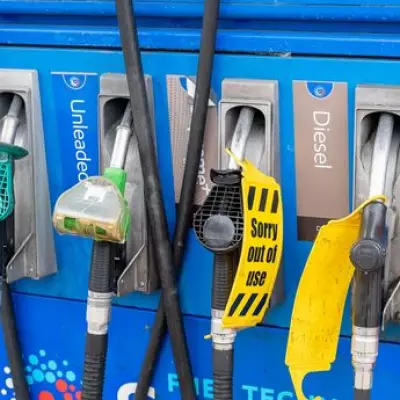
Global Fuel Crisis Intensifies Amid Strait of Hormuz Standstill
Nations across the globe are urgently adopting fuel conservation strategies as the critical oil transit route of the Strait of Hormuz remains blocked due to escalating conflicts with Iran. This disruption has driven oil prices beyond $100 per barrel, despite international appeals for Tehran to reopen the waterway, exacerbating energy shortages worldwide.
European and Asian Nations Implement Drastic Measures
Slovenia has emerged as the first European Union member to enforce fuel rationing in response to stockpiling triggered by the Iran war. Prime Minister Robert Golob announced on Saturday that private vehicles are limited to 50 litres per day at service stations, while companies and priority users like farmers can access up to 200 litres. These restrictions, effective immediately, will remain until further notice. Golob assured the public, stating, 'Let me reassure you that there is enough fuel in Slovenia, the warehouses are full and there will be no fuel shortages.'
In Southeast Asia, Vietnam Airlines plans to cancel 23 weekly flights on several domestic routes starting in April due to impending jet fuel shortages. The Civil Aviation Authority of Vietnam (CAAV) highlighted that most of the country's jet fuel is imported, and the Middle East war is severely disrupting supply chains. The airline will suspend seven domestic routes to conserve fuel, focusing on routes essential for national connectivity, trade, tourism, diplomacy, and domestic travel. Additionally, Vietnamese airlines are preparing to impose fuel surcharges on international routes from early April, following warnings from China and Thailand halting jet fuel exports.

Broader Global Responses to Energy Shortages
Other nations are stretching dwindling energy reserves through various austerity measures. The Philippines has adopted a four-day workweek to reduce government fuel consumption by a fifth, with offices instructed to switch off computers during lunch breaks and set air conditioning no lower than 24 degrees Celsius. Sri Lanka has introduced a shorter four-day working week to preserve fuel and gas reserves, while Bangladesh announced early Ramadan holidays for universities and imposed scheduled power blackouts to save energy.
In Thailand, officials are encouraged to use stairs instead of elevators, and Pakistan, which relies on 85% of its energy imports via the Strait of Hormuz, has shifted schools to remote teaching. New Zealand is introducing a novel support scheme, offering weekly cash payments of £22 to nearly 150,000 low-to-middle income families with children from April 1, aimed at helping them afford petrol amidst the crisis. Prime Minister Christopher Luxon described this as a boost to the existing in-work tax credit, with an additional 14,000 higher-income families also eligible.
Market Reactions and Diplomatic Developments
US President Donald Trump injected a note of optimism on Monday, claiming ongoing talks with Iranian leaders eager to make a deal to end the war. These statements caused a temporary dip in global oil prices, with Brent crude falling 9.7% to $101.26 from nearly $120 the previous week. However, Iran denied any negotiations, with its parliament speaker accusing Trump of market manipulation. Regardless, consumer prices remain unaffected due to the lag in pump prices reflecting global market changes, as oil must undergo refining and transportation processes that can take weeks.
The global fuel crisis underscores the interconnected nature of energy markets and the urgent need for diplomatic resolutions to stabilize supplies and mitigate economic impacts on households and businesses worldwide.