Motorists across the United Kingdom have been cautioned that petrol and diesel prices may not decrease immediately, potentially taking "weeks, if not a few months" to come down, despite a recent drop in global oil prices following a ceasefire announcement between the United States and Iran.
Impact of Conflict and Strait Closure
Fuel costs have experienced a significant surge since the onset of the Iran war and the effective closure of the Strait of Hormuz. This critical maritime passage handles approximately twenty percent of the world's oil and liquefied natural gas shipments, making its disruption a major factor in the price increases.
Recent Oil Price Movements
The price of Brent crude oil, a key benchmark used in producing petrol and diesel, fell below one hundred dollars per barrel this week after the announcement of a two-week ceasefire. However, industry analysts stress that this reduction may not translate quickly to lower prices at fuel pumps across the country.

Rachel Winter, an investment analyst at wealth management firm Killik & Co, explained the delay during an interview on BBC Radio 4's Today Programme. "I would expect it to take at least a few weeks, if not a few months," she stated, highlighting the time required for wholesale changes to filter through to retail forecourts.
Current Fuel Price Statistics
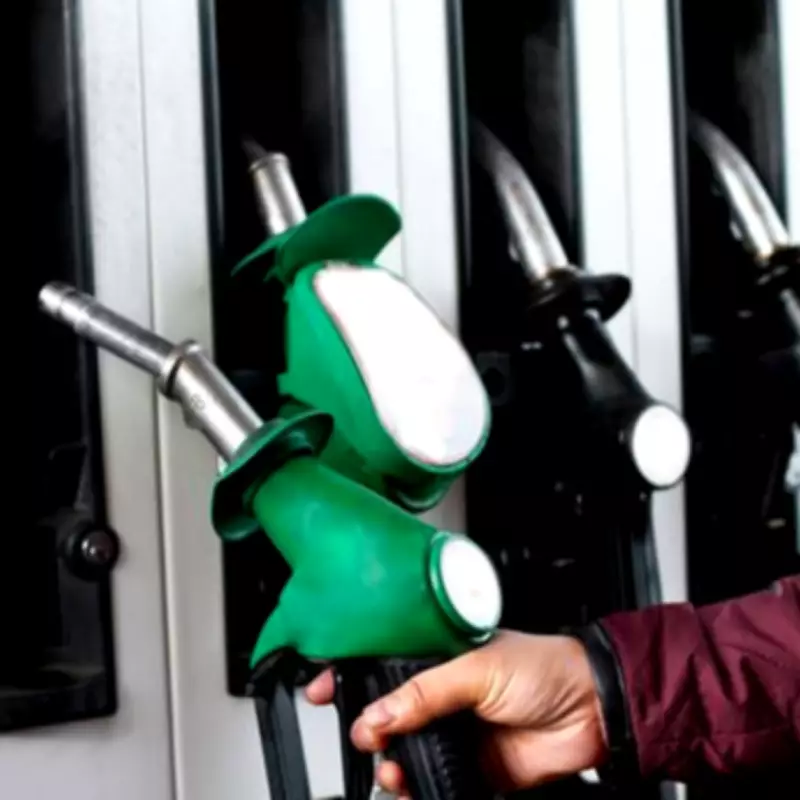
According to the latest data from the RAC, the average price of diesel reached one hundred and ninety point six pence per litre on Wednesday morning. This represents a thirty-four percent increase since the conflict began on February twenty-eighth. Meanwhile, unleaded petrol averaged one hundred and fifty-seven point seven pence per litre, marking a nineteen percent rise over the same period.
The cost of filling a typical family car with diesel exceeded one hundred pounds late last month for the first time in more than three years. Current figures indicate it now costs one hundred and four pounds and eighty-three pence to refuel a fifty-five litre vehicle, which is twenty-six pounds more than before the start of the hostilities.
Expert Analysis and Outlook
Simon Williams, head of policy at the RAC, noted that the ceasefire agreement has raised hopes that pump prices could "top out" in the coming days. "Both fuels are now at their most expensive since late 2022," he observed.
Williams elaborated on the uncertain outlook for UK drivers. "The conditional ceasefire announcement may have taken some heat out of global oil prices, but the outlook for drivers in the UK remains highly uncertain. The best hope in the short-term is that pump prices stop rising at the rate they have been and hopefully top out in the coming days."
He further emphasised that several factors will influence future pricing. "Much will depend on the stability of the ceasefire, whether oil shipments can move freely through the Strait of Hormuz, and the longer-term impact on oil production across the Gulf. As it is a sustained lower oil price – over several weeks, not just a few days – that is required to bring wholesale fuel costs down meaningfully."
Short-Term Expectations for Consumers
Williams advised that drivers should not anticipate significantly cheaper fuel in the immediate future. However, he noted that some smaller independent forecourts purchasing fuel on a "spot" basis might be quicker to pass on any price reductions to consumers compared to larger retailers with longer-term supply contracts.
The situation remains fluid, with the petroleum market closely monitoring developments in the Middle East and the operational status of the Strait of Hormuz, which serves as a vital artery for global energy supplies affecting fuel prices worldwide.