Angela Rippon Claims BBC Boss Urged Her to Quit for Younger Women
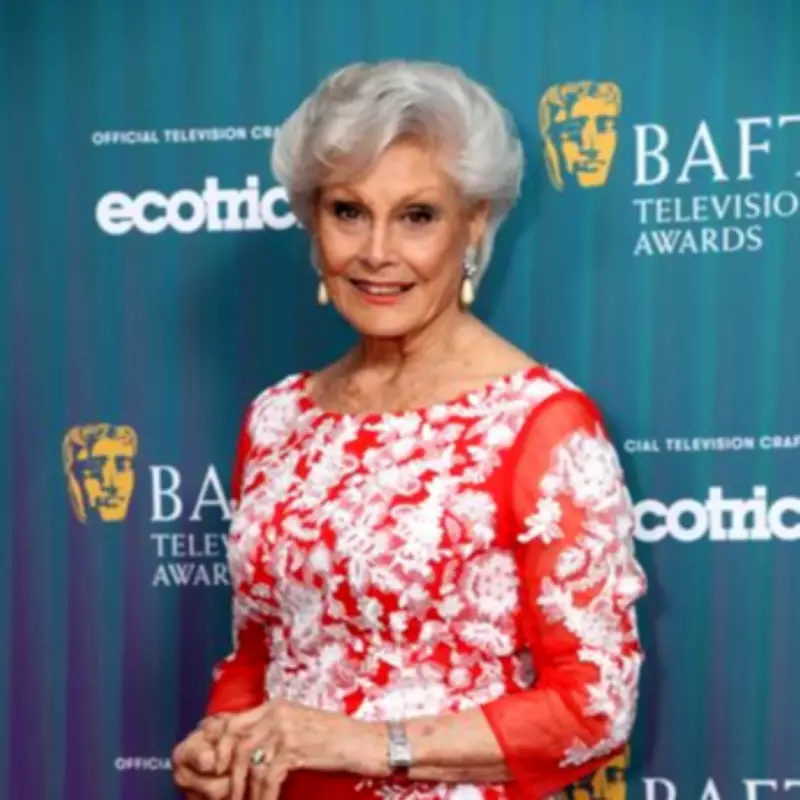
Veteran broadcaster Angela Rippon has publicly disclosed a troubling encounter with a former BBC Director-General, alleging he advised her to step aside from television roles to make room for younger female presenters. Rippon, now 81, described the incident as both misogynistic and factually incorrect, given her enduring career in media.
The Controversial Exchange with John Birt
Rippon recounted that she was approximately 50 years old when John Birt, who served as BBC Director-General from 1992 to 2000, suggested she should quit her on-screen positions. According to her, Birt stated, "I think you have to accept that you've had your day and it's time to make way for the younger women coming up behind you." This conversation occurred after Rippon approached Birt to discuss difficulties she was experiencing with a department controller who had removed her from certain programs.
She elaborated on the context, explaining that a controller had taken her off two significant shows due to personal disapproval of her on-screen presence. Seeking resolution, Rippon turned to Birt, only to receive what she perceived as dismissive and biased advice.

Rippon's Response and Accusations of Sexism
In response to Birt's remarks, Rippon challenged him by citing older male presenters who continued to work at the BBC without similar pressure to retire. She specifically mentioned figures like Terry Wogan and Michael Parkinson, who were significantly older than her at the time, to highlight what she viewed as a double standard. Rippon asserted that Birt was not having comparable conversations with these men, branding his comment as "very misogynistic."
Furthermore, she emphasized the inaccuracy of Birt's prediction, noting that her career has flourished well beyond that point. Now in her eighties, Rippon remains active in broadcasting, underscoring that age and gender should not dictate opportunities in the industry.
Broader Implications for Media and Age Discrimination
This revelation sheds light on ongoing issues of ageism and sexism within the media sector, particularly at the BBC. Rippon's experience raises questions about equitable treatment for older women in television, contrasting with the longevity often afforded to their male counterparts. Her story resonates with broader debates about diversity and inclusion in broadcasting, where veteran female presenters sometimes face premature sidelining.
Rippon expressed support for the advancement of younger women in media but stressed that it should not come at the expense of experienced professionals. She remarked, "I really am thrilled that they've continued to come behind me and are increasing every year," yet maintained that career longevity should be based on merit rather than age or gender.
The incident, as shared on the White Wine Question Time podcast, adds to a series of personal challenges Rippon has faced, including past reports of mugging and health battles among colleagues. It underscores the persistent barriers that women in entertainment navigate, even as they achieve notable success.