Global Response to Oil Crisis: From Free Transport to Four-Day Weeks
As the price of oil continues to soar dramatically, countries heavily reliant on importing the vital substance are being forced to enact urgent emergency measures. The escalating conflict in Iran has triggered severe market instability, with oil prices hitting a staggering $117 per barrel on Monday, sparking widespread fears of global shortages and economic turmoil.
The Root of the Crisis
The core issue stems from Iran effectively blocking the Strait of Hormuz, a critical maritime chokepoint through which approximately one-fifth of the world's oil supply is transported. This aggressive move followed the killing of Iran's Supreme Leader, Ayatollah Ali Khamenei, in a joint American and Israeli strike four weeks ago. Despite initial hopes for peace, the situation has deteriorated as Iran's new leadership has gone underground and launched missile attacks on neighbouring Middle Eastern nations, dashing prospects for a quick resolution.
While US President Donald Trump continues to advocate for peace talks and issues fresh threats, financial markets remain deeply skeptical. The blockade has compelled governments across the globe to take decisive action to protect their national interests and cushion their economies from the shockwaves. Here is a detailed examination of the varied responses from nations worldwide.

United Kingdom: Fuel Price Pressures
In the United Kingdom, diesel prices reached their most expensive level since December 2022 on Monday, with the average price per litre at forecourts hitting 181.2p according to RAC analysis. Chancellor Rachel Reeves is facing mounting pressure to abandon plans to increase fuel duty by 5p per litre at the end of August, although no official announcement has been made. Prime Minister Sir Keir Starmer offered no indication of a change in policy during a press briefing on Monday.
Last week, Ms Reeves acknowledged the full economic impact of the war remains uncertain and confirmed that contingency planning is underway for "every eventuality." A second Cobra meeting, where senior ministers will discuss the ongoing economic fallout, is scheduled for Monday. While energy bills are set to decrease from April under Ofgem's price cap, there are concerns that costs could rise again before the summer months.
Australia: Free Public Transport Initiatives
The governments of Tasmania and Victoria have implemented free public transport services starting this week. This bold measure aims to alleviate the cost-of-living burden as petrol and energy prices skyrocket, providing immediate relief to commuters and reducing overall fuel consumption.
Egypt: Severe Energy Conservation
Egypt, which relies heavily on imported fuel, has imposed some of the most stringent restrictions. From last weekend, restaurants, shops, and cafes have been mandated to close by 9pm each night to conserve energy. Additionally, street lighting and roadside advertising have been significantly dimmed. Many employees have been instructed to work from home at least one day per week to further reduce energy demand and travel.
Myanmar: Fuel Rationing and Driving Limits
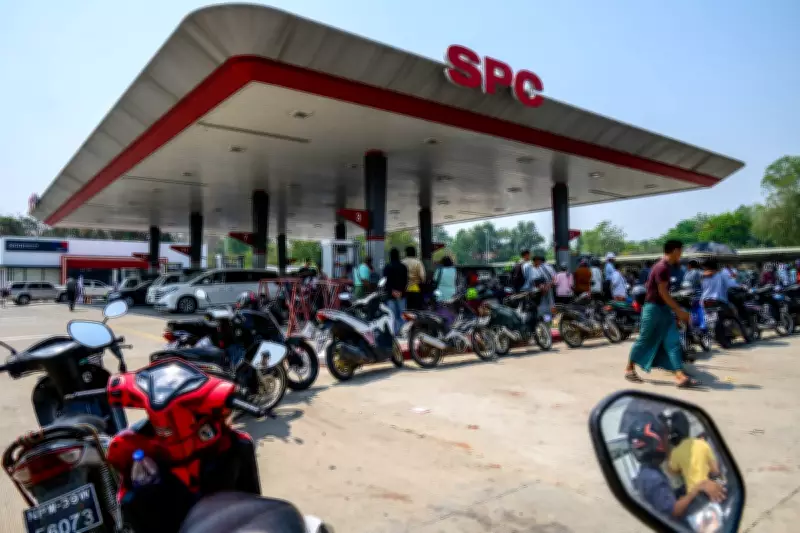
The military government in Myanmar has introduced strict fuel rationing, allowing customers to purchase fuel only once or twice weekly, depending on their vehicle engine size. This follows an earlier announcement imposing driving restrictions for private vehicles to preserve petrol reserves. Government employees have also been ordered to work remotely every Wednesday to minimise fuel usage.
Pakistan: Sweeping Austerity Measures
Pakistan has enacted comprehensive emergency austerity and fuel conservation policies. These include transitioning to a four-day working week for all government employees and rescheduling school spring holidays. Ministers, parliamentarians, and officials are now permitted to undertake foreign trips only for essential purposes and must travel in economy class. Social gatherings have been curtailed, with weddings and parties limited to 200 guests and restricted to serving one main dish.

Philippines: Government Efficiency Drives
Similar to Pakistan, the Philippines has shifted to a four-day week in all government offices. President Ferdinand Marcos has directed government agencies to reduce their fuel and power consumption by up to 20 percent. He has also prohibited government study tours and team-building activities to conserve resources.
Thailand: Energy Conservation Despite Deal
Although Thailand secured an agreement with Iran to allow its oil vessels safe passage through the Strait of Hormuz, the country still faces significant restrictions due to the broader crisis. On 10 March, a government spokesperson urged civil servants to conserve energy through measures such as suspending overseas trips, wearing short-sleeve shirts to work, and using stairs instead of lifts. Officials have been instructed to reduce electricity usage in office buildings by switching off lights and electrical equipment when not in use.
Sri Lanka: Institutional Closures and Rationing
Sri Lanka has introduced a four-day week at state institutions, with Wednesday declared an official holiday. This measure also applies to schools and universities. The country has implemented fuel rationing, limiting drivers to 15 litres per week to manage scarce supplies.
Vietnam: Tax Cuts and Travel Encouragements
Vietnam's government has set Value Added Tax (VAT) at 0 percent for gasoline, diesel, and aviation fuel until at least 15 April. Officials have strongly encouraged residents to stay at home whenever possible and to consider alternative transport methods, such as bicycles, for necessary journeys.
As the Iran conflict persists with no clear end in sight, these diverse national responses highlight the profound global impact of the oil price surge. Governments are navigating a complex landscape of economic pressure, public need, and strategic resource management, with measures ranging from fiscal interventions to behavioural changes aimed at mitigating the crisis's far-reaching effects.