Prime Minister Keir Starmer has delivered a stark 48-hour ultimatum to junior doctors, demanding they call off their impending strike action or risk losing a significant deal on the table. In a dramatic intervention, Sir Keir has threatened to withdraw an offer of thousands of additional specialty NHS training posts if the British Medical Association proceeds with its planned six-day walkout after the Easter holiday period.
Historic Deal Rejected Without Member Vote
This confrontation follows last week's decision by the BMA's junior doctors committee to reject a proposed settlement without even putting it to a vote among their membership. The rejected package would have provided doctors with a pay increase of up to 7.1% this year, representing another above-inflation raise. Additionally, it included comprehensive reforms to pay progression structures, reimbursements for Royal College examination costs, and the creation of 4,500 extra specialty training positions over the next three years.
Immediate Consequences of Continued Strikes
Sir Keir emphasized the immediate consequences of continued industrial action, noting that one thousand of these training positions were scheduled to open for applications this very month. "These opportunities will be gone if this deal isn't put to a vote by Thursday," the Prime Minister warned in his statement to The Times. He characterized the BMA's rejection of the negotiated settlement as "reckless" and insisted that such a move "benefits no one" in the current healthcare landscape.

Months of Collaborative Negotiations
The Prime Minister detailed how the proposed agreement resulted from months of constructive collaboration between government representatives and BMA officials. "Those measures were not chosen randomly, nor were they imposed from above," Sir Keir wrote. "They are the product of extensive dialogue where both parties listened to one another, recognizing our shared foundational goals for the NHS and its workforce."
Union's Pay Restoration Demands
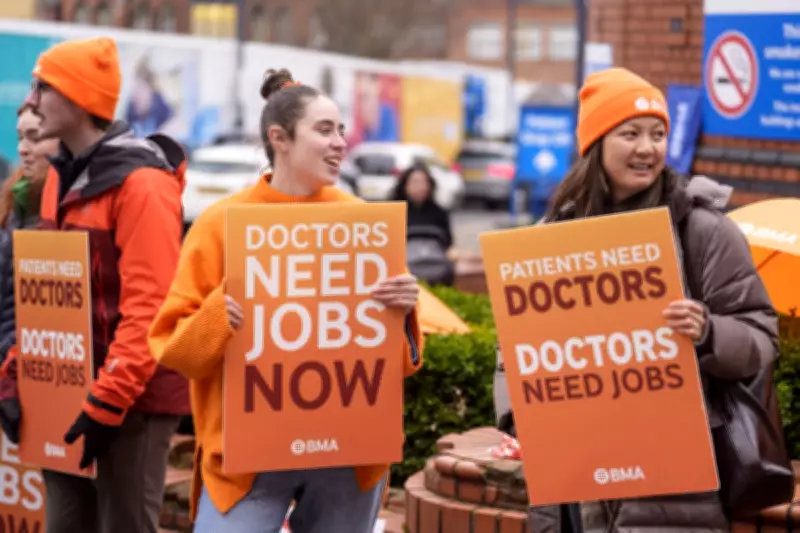
Meanwhile, the BMA maintains its position demanding "full pay restoration" to 2008 levels, which equates to approximately a 26% salary increase for junior doctors. The union has scheduled a substantial walkout from April 7 to April 13, creating significant concerns about healthcare service disruptions during what is typically a challenging period for the National Health Service.
Appeal to Junior Doctors Themselves
In his public appeal, Sir Keir directly addressed junior doctors across the country: "Make your voice heard. This deal improves your pay, your career progression, and your professional future. Do not let others make this critical decision for you." He argued that the proposed settlement would strengthen both individual career prospects and the overall NHS system, whereas rejecting it would leave doctors with less, weaken healthcare services, and ultimately make patients pay the price through reduced access and quality of care.
The Prime Minister concluded with a final plea for reconsideration: "It is not too late to change course, return to constructive engagement, and do the most reasonable thing possible—give members their democratic say by putting this deal to a proper vote." With the 48-hour deadline now in effect, the coming days will determine whether the threatened strike action proceeds or whether both parties can return to the negotiation table to prevent further disruption to Britain's healthcare system.