Conifers Transform Urban Gardens with Structure, Colour and Carbon Benefits
Who says conifers are boring? These versatile plants can add essential structure, vibrant colour, and pleasant scent to the urban garden, offering far more than their outdated reputation suggests.
Debunking the Conifer Myth
The old image of fast-growing leylandii hedges blocking light and sparking neighbour disputes has unfairly tarnished conifers' reputation. However, many conifer varieties are not fast-growing, are easy to prune, and fit beautifully in urban garden spaces.
Zoe Large, family owner of Golden Grove Nursery which supplies garden centres nationwide, explains: "They are great for adding structure and focal points to the garden, providing year-round colour and instant results."

Environmental and Wildlife Advantages
Conifers offer significant environmental benefits beyond their aesthetic appeal. Large reveals their carbon-capturing potential: "What we've calculated is that once they are planted in the garden, after two years they are carbon neutral, storing about the same amount of carbon that we've used to produce them. Two years after that, they are carbon positive, absorbing and storing more carbon than we used to produce them."
These plants are also remarkably wildlife-friendly, providing:
- Nesting sites for birds
- Hideouts for hedgehogs
- Food and shelter for butterflies, ladybirds and other insects
Low-Maintenance Gardening Solutions
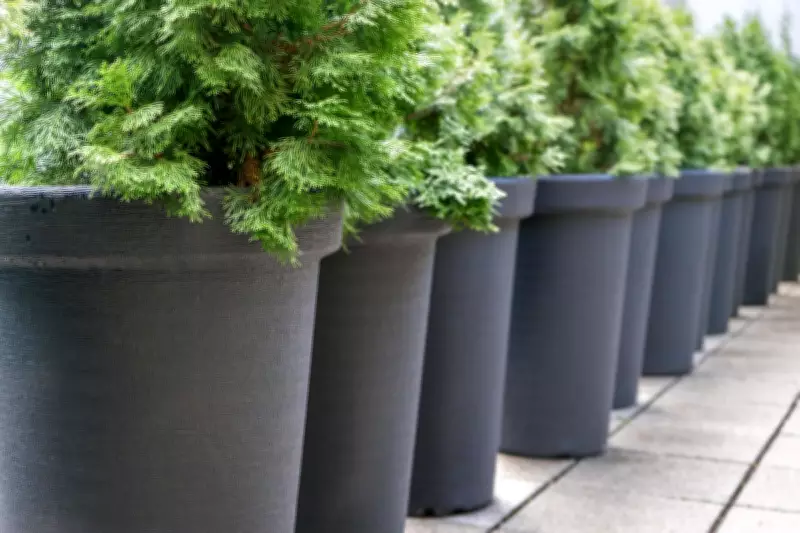
Conifers prove to be low-maintenance additions to any garden. They cope well with virtually any soil type except extremely heavy clay where drainage becomes problematic. For container gardening, Sharon Goor, the nursery's deputy manager, advises: "If you're putting them in a pot up against a fence or wall, turn the pot regularly so that the conifer can get the light, otherwise you might find some of the foliage next to the wall starts to suffer."
Container-grown conifers can thrive for two or three years before needing repotting. They require watering two or three times weekly during summer, benefit from occasional feeding, and are easy to trim for shape maintenance.
Incorporating Conifers in Small Urban Spaces
Urban gardeners can incorporate conifers through several creative approaches:
Make Them Stand Out in Pots
A wealth of conifer varieties can add form and texture to containers, available in an array of colours. Goor suggests: "They can be placed at the back of a trough with winter pansies or summer bedding in front, or even placed in the centre for height and structure."
Add Architectural Value
For small gardens, Large recommends: "You could add structure using varieties of taxus which are columnar and will give you height rather than taking up much width. Taxus standishii is a very good yellow variety." When planting in small borders, choose varieties that form cone shapes, columns, or tight balls rather than shaggier types. Suitable options include Cupressus 'Totem' or the Irish yew (Taxus baccata 'Fastigiata'), a slow-growing conifer renowned for its upright, dense, dark green foliage. For even smaller spaces, Thuja 'Teddy' offers a fluffy little round ball shape.
Provide Ground Cover
Conifers can serve as ground cover in borders or as trailing plants in pots. Large advises: "Juniperus procumbens 'Nana' will hang quite nicely over a wall or the edge of a pot."
Pick Slow-Growers
The slow-growing Picea 'Alberta Globe' provides a good ball shape and green backdrop to small flowering bedding plants. Large notes: "Anything that grows up to about 15cm a year will be perfect in a container."
Enjoy Pops of Colour
Conifers offer year-round colour in shades beyond green, including blue, orange, yellow and variegated varieties. Excellent blue options include Juniperus 'Blue Star', a compact, bun-shaped evergreen with bright blue-grey foliage, or J. 'Pyramidalis', a slow-growing columnar shrub. For bolder statements, Thuja 'Fire Chief' grows into a round ball offering bright gold foliage in spring that turns to sage-green with red tips in autumn. Goor highlights Chamaecyparis thyoides 'Rubicon' which goes a beautiful red in winter, while Thuja 'Rheingold' features bronze-tinged, amber-yellow foliage that becomes more richly coloured in winter.

Support Wildlife Habitats
Beyond providing shelter, conifers create complete ecosystems. Birds nest in them and feast on seeds found in cones, while butterflies and other insects thrive among the foliage. Toads and frogs appreciate the food sources conifers provide, and spiders find the foliage perfect for spinning webs.
Try Topiary
For gardeners interested in shaping their plants, excellent conifer varieties for topiary include Cupressus 'Wilma', a slow-growing type featuring lemon-scented golden-green foliage, or Taxus baccata (common yew). Both are ideal for pots or as small specimen plants.
With their structural benefits, environmental advantages, wildlife support, and colourful varieties, conifers represent a versatile, sustainable choice for transforming urban gardens into vibrant, year-round sanctuaries.