

It is 5:30 a.m., and the bustle has already begun at the Panjshanbe Bazaar, one of the largest in Tajikistan. Vendors unload vans of cabbages. Pigeons flock outside the mosque next door. A portrait of President Emomali Rahmon looms above.
A Leader's Long Tenure
Rahmon has been in power since 1992, overseeing the Central Asian country since shortly after its independence from the dissolving Soviet Union. Mountainous and the poorest of the 15 countries that emerged, Tajikistan saw a five-year civil war between the Russian-backed government and an opposition composed largely of democratic reformers and Islamists. Khujand was in the heartland for pro-government forces.
Today, as the country nears its 35th anniversary, the region is peaceful and highly dependent on remittances from people working in Russia. Portraits of Rahmon hang in schools, hotels, restaurants and museums. Even at the local pool, his solemn glance and bushy eyebrows tower over swimmers and socialist-style iconography.

Daily Life and Traditions
Like much of the country, Khujand’s bazaar still features Soviet-era infrastructure and Cyrillic script, along with Islamic motifs. While Panjshanbe translates to Thursday, today is Sunday, and that means the weekly animal market is in full swing. Parakeets, rabbits and hedgehogs are for sale, while children and their fathers watch cockfighting in the parking lot.
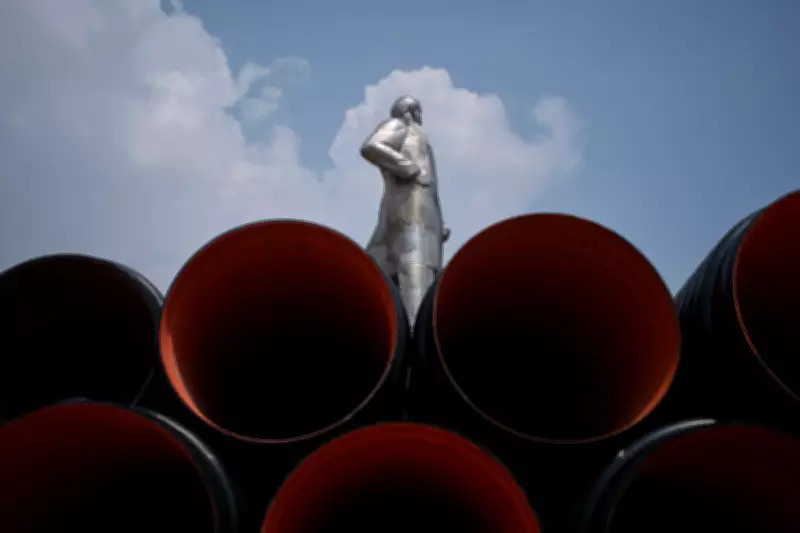
While its Soviet past rarely feels distant, Tajikistan, like other Central Asian states, has made efforts to forge its own identity. In Khujand, formerly Leninabad, a statue of Soviet Union founder Vladimir Lenin was once displayed in the center of town. It was moved in 2011 to the outskirts, now standing between a muddy field and gravel road.
Tourism and Cultural Encounters
Tajikistan received 1.8 million tourists in 2025, with over 91.5% coming from other former Soviet areas, according to the government. While tourism is increasing year on year, visitors from English-speaking countries are rare. Bakers, shocked to meet an American, were keen to show off their 3-somoni ($0.32) non, or lepyoshka, bread.
At a school, girls in uniform prepared for a visit from a district official by polishing the facade that boasted a banner celebrating Tajikistan’s 34th year of independence and a quote from a poet the state has claimed as a national hero, Rudaki: “Whoever has not learned from the passing of time will also not learn from any teacher.”
This is a documentary photo story curated by AP photo editors.






