As temperatures plummet across the United Kingdom and households brace for another challenging winter, heating experts are issuing urgent warnings about common domestic heating errors that could be inflating energy bills by hundreds of pounds annually. With Ofgem's energy price cap rising to £1,758 per year from 1 January 2026, and persistent economic pressures from inflation and high living costs, these avoidable mistakes represent a significant financial burden for many families.
The Hidden Costs of Neglected Radiators
According to detailed analysis from heating specialists at UK Radiators, simple oversights with radiator maintenance alone can add between £400 and £600 to annual energy expenses. The cumulative impact of seemingly minor issues - from furniture blocking heat distribution to air trapped within systems - creates substantial inefficiencies that force heating systems to work harder and consume more energy.
"Most homeowners only become aware of heating problems when they activate their systems in November and discover entire sections of their property remain stubbornly cold," explained Rob Jones, a heating specialist at UK Radiators. "By that stage, what could have been simple preventative maintenance often escalates into expensive emergency call-outs. The encouraging news is that these are straightforward checks any household can perform immediately: bleeding radiators to remove trapped air, ensuring adequate clearance around heat sources, and conducting brief system tests to identify issues before the deepest cold arrives."

Most Common and Costly Radiator Errors
- Drying laundry on radiators: This widespread practice can reduce heating output by approximately 20 percent while simultaneously increasing risks of damp and mould development within living spaces.
- Failing to bleed radiators regularly: Air pockets within systems can diminish efficiency by up to 15 percent, forcing boilers to expend additional energy to achieve desired temperatures.
- Blocking heat distribution: Positioning furniture directly against radiators or allowing curtains to drape over them traps warmth rather than allowing it to circulate effectively throughout rooms.
- Ignoring early warning signs: Overlooking cold spots, unusual noises, or minor leaks permits small issues to develop into major system failures requiring expensive professional intervention.
Optimising Boiler Settings for Maximum Efficiency
Heating professionals identify boiler configuration as one of the most overlooked areas for potential savings. Many households operate their systems at factory-default settings that prioritize performance over efficiency, particularly regarding flow temperature - the heat level to which water is warmed before circulating through radiators.
"The majority of boilers leave factories preset to 80°C flow temperatures, which causes excessive gas consumption," clarified David Holmes, CEO of WhatPrice.co.uk. "Adjusting this setting to between 55 and 60°C enables modern condensing boilers to operate in their most efficient mode, dramatically reducing energy waste. This simple modification not only lowers immediate heating costs but also decreases mechanical stress on system components, potentially extending the equipment's operational lifespan."
Households should consult their boiler manuals for specific adjustment instructions or engage Gas Safe registered engineers if uncertain about performing modifications safely.
Avoiding the Thermostat Trap
Thermostat misuse represents another significant source of unnecessary energy expenditure. Common misconceptions about how these devices function lead many households to adopt counterproductive habits that increase costs without improving comfort.
"During cold spells, people frequently turn thermostat dials to maximum settings believing this will accelerate heating," explained Ryan Willdig, heating specialist at Heatforce. "This misunderstanding proves particularly costly, as each degree above the recommended 19-20°C range adds approximately 10 percent to annual heating expenses. Similarly, maintaining constant low-level heating throughout the day rather than implementing targeted warming schedules wastes substantial energy."

Affordable Insulation Improvements
While comprehensive insulation upgrades require significant investment, several low-cost solutions can markedly reduce heat loss. Draught excluders for doors and windows, radiator reflector panels placed behind heat sources, and self-adhesive sealing strips for older window frames deliver noticeable improvements at minimal expense.
"These straightforward measures typically require just a few hours to implement during a weekend," added Willdig. "The resulting difference in both home warmth and monthly energy statements makes this time investment exceptionally worthwhile for budget-conscious households."
Intelligent Heating Management Through Technology
Smart heating systems from providers including Hive, Tado, and Honeywell offer sophisticated solutions for optimizing energy consumption. These devices enable precise scheduling aligned with household routines, remote adjustment capabilities, and detailed usage monitoring that collectively prevent unnecessary heating.
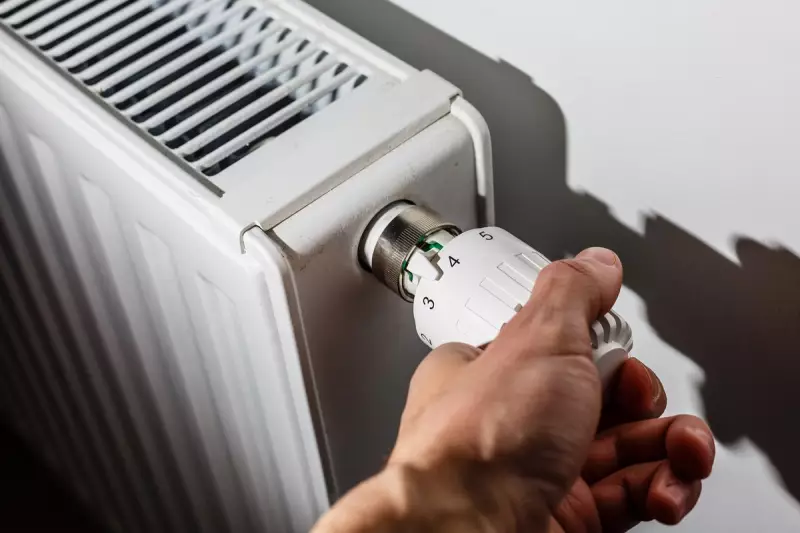
When integrated with thermostatic radiator valves (TRVs), smart systems facilitate "zoning" - heating only occupied rooms to appropriate temperatures rather than maintaining uniform warmth throughout entire properties. This targeted approach eliminates energy waste in unused spaces while maintaining comfort where needed.
"Modern heating technology represents practical financial wisdom rather than mere gadgetry," stated Gav Murray, home heating director at Hive. "By providing intuitive control over heating schedules, remote adjustment capabilities, and automated reminders about active systems, smart thermostats ensure energy consumption aligns precisely with actual household needs. This intelligent management reduces wasted heat, lowers overall energy usage, and delivers tangible bill savings without compromising domestic comfort during winter months."
As winter intensifies across Britain, implementing these expert recommendations could provide crucial financial relief for households facing escalating energy costs. Through proactive maintenance, intelligent system configuration, and strategic technology adoption, families can significantly reduce heating expenses while maintaining warm, comfortable living environments throughout the coldest season.