Iran War Disrupts LNG Supplies, Highlighting Need for UK Gas Reserve
Liquefied natural gas supplies are facing significant disruptions due to the ongoing Iran war, raising urgent questions about the United Kingdom's energy security strategy. While the immediate gas setup in Great Britain appears secure, this geopolitical crisis underscores why enhanced storage capabilities are becoming increasingly essential.
Current Gas Security and Market Disruptions
Energy Minister Michael Shanks has correctly noted that the UK's reliance on only two days of gas storage is not an immediate cause for alarm. Approximately 75% of the nation's gas is sourced domestically from the North Sea and via the Langeled pipeline from Norway, both of which remain unaffected by the conflict in Iran.
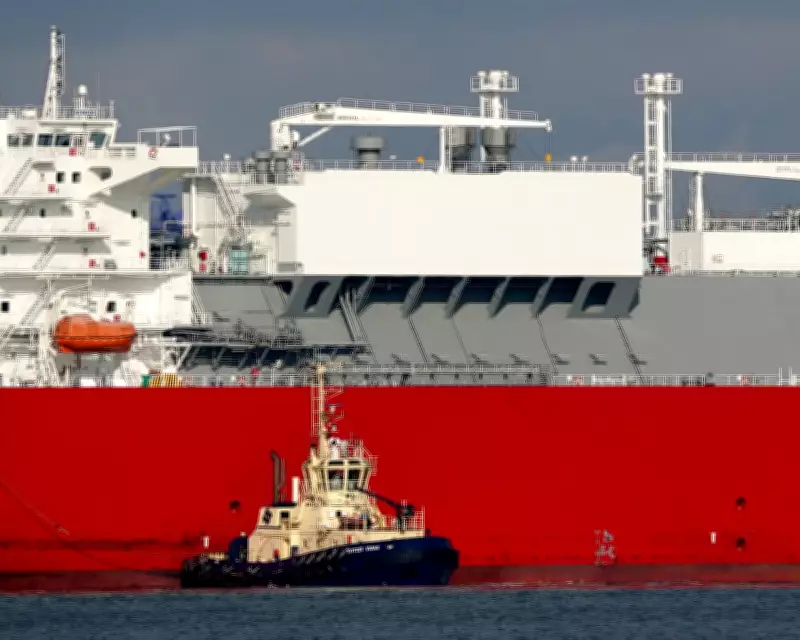
However, imported liquefied natural gas, which typically accounts for around 18% of supplies, is now disrupted. Qatar, representing about a fifth of the global LNG market, has halted production. This forces the UK to pay premium rates for shipments, likely from the United States, which already dominates its LNG imports. Additionally, interconnectors to the Netherlands and Belgium provide a diverse energy mix, but vulnerabilities persist.

Reasons for Enhanced Gas Storage
The Iran war highlights three critical reasons why the UK must invest in more gas storage to mitigate future energy shocks.
First, potential price crunches could escalate if the conflict prolongs. Gas experts warn that a dysfunctional LNG market over months could prevent European countries from refilling their storage sites during summer. This would create a precarious dynamic for winter, requiring the UK to offer high premiums to attract gas flows via interconnectors. A strategic reserve would help buffer such price volatility.
Second, infrastructure risks pose a significant threat. A government report last year identified emerging risks of gas shortages from 2030-31, particularly if decarbonisation lags. Critical components like LNG import terminals or the Langeled pipeline could fail during cold winters. While additional LNG capacity was proposed, reliance on cargoes is unreliable in crises, making extra storage the only viable protection—an option historically resisted due to costs.
Centrica's Rough storage facility in Yorkshire was partially reopened after Russia's invasion of Ukraine but has stalled due to financial losses, awaiting government price-support agreements.
Intermittency and Strategic Reserves
Third, the transition to renewables introduces new challenges. Energy economist Dieter Helm argues that wind and solar intermittency makes gas power stations unpredictable, complicating long-term supply contracts. With the UK planning to maintain a 35GW gas fleet as backup, a strategic gas reserve is crucial. Helm advocates for funding models similar to Sizewell B or capacity contracts to ensure availability, with some suggesting nationalisation.
In summary, multiple factors—from geopolitical instability like the Iran war to energy transition dynamics—point to an urgent need for more gas storage. While the current two-day reserve may suffice today, the government must develop a robust strategy for an increasingly volatile future.