Cabinet Minister Urges Calm as Middle East Conflict Drives Oil Prices Past $100
Communities Secretary Steve Reed has directly addressed motorists across the nation, urging them to remain calm and avoid panic buying at petrol stations. This comes as the ongoing military conflict between the US, Israel, and the Iranian regime enters its second week, triggering significant volatility in global energy markets.
Economic Resilience and Fuel Supply Assurance
Speaking during an interview on Good Morning Britain, Minister Reed emphasised that the United Kingdom's current economic stability provides a solid foundation to withstand the emerging pressures. He stated there is no present shortage of fuel or gas, with national stocks maintained at typical seasonal levels.
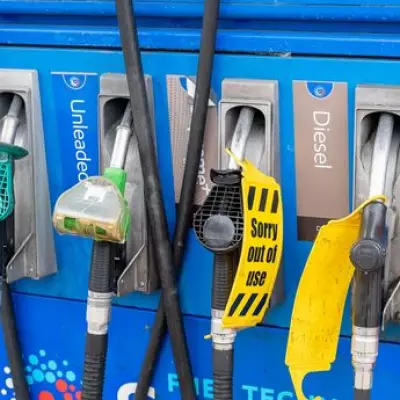
"I know that in some parts of the country last week there was panic buying that led to queues at some petrol stations," Reed acknowledged, noting that members of his own family had experienced this directly. "There is no need to panic at the moment. There is not a shortage of fuel, there is not a shortage of gas either."

Oil and Gas Markets in Turmoil
The minister's comments follow a dramatic surge in global oil prices, which have rocketed above $100 per barrel for the first time in nearly four years. This spike is a direct consequence of the escalating conflict in the Middle East, which is sparking a mounting crude supply crisis.
Simultaneously, wholesale gas prices have experienced another sharp increase, fuelling widespread concerns about a potential energy crisis. Such price hikes threaten to drive up costs significantly for households, businesses, and government operations alike.
When questioned about the overnight surge in oil prices, Reed responded, "That's right, but it doesn't necessarily mean it's going to have a direct impact at the pumps. We need to see what happens over the day and weeks to come. We're monitoring the situation."
Government Vigilance and International Response
Reed confirmed that the government is maintaining a vigilant watch on developments in the Middle East. "It is only right and prudent that the government should keep a close eye on what's happening," he stated, adding that this allows for swift consideration of any necessary actions should the situation deteriorate further.
This domestic reassurance coincides with Chancellor Rachel Reeves preparing to join an emergency meeting of G7 finance ministers later today. The urgent gathering has been convened specifically to discuss the turbulent oil market and coordinate an international response to the price instability.
Contrasting International Perspectives
The situation has drawn commentary from global leaders, including former US President Donald Trump. Posting on his Truth Social platform, Trump framed the oil price increases as a temporary and acceptable cost.
"Short term oil prices, which will drop rapidly when the destruction of the Iran nuclear threat is over, is a very small price to pay for U.S.A., and World, Safety and Peace," Trump wrote. "ONLY FOOLS WOULD THINK DIFFERENTLY!"
As the conflict continues with an uncertain duration and long-term economic impact, the UK government's message remains one of cautious monitoring and public reassurance against overreaction at the fuel pumps.