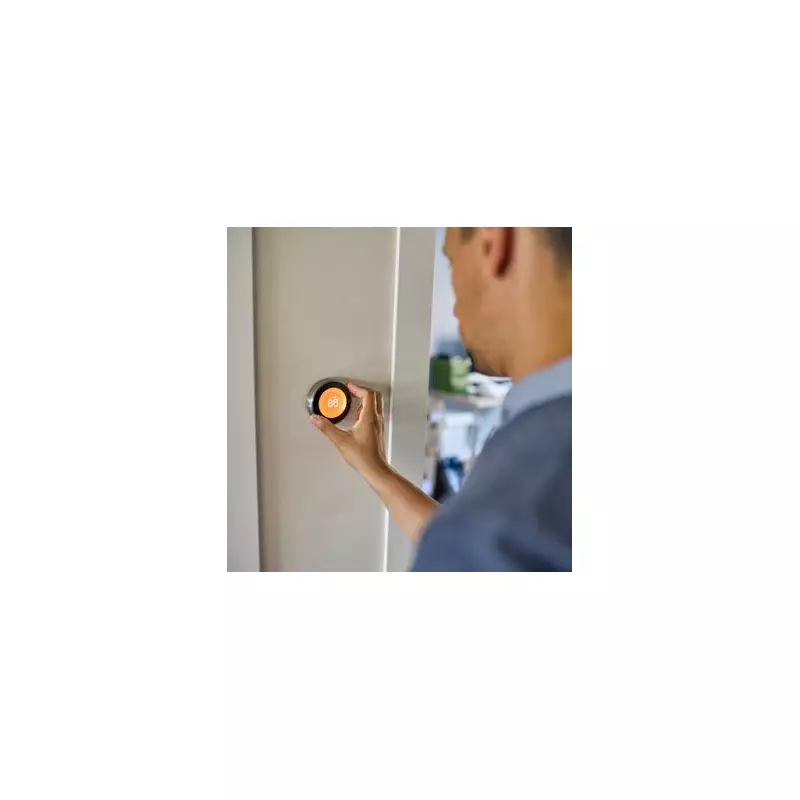
With January's chill biting deeper than thermometers often indicate, households across the UK are grappling with the dual challenge of staying warm and managing soaring energy costs. In response, Octopus Energy has unveiled a straightforward yet effective strategy: the '30-minute rule' for central heating. This method promises to enhance comfort while trimming monthly bills, offering a practical solution for cost-conscious consumers.
The Core Principle: Timing is Everything
According to specialists at Octopus Energy, simply switching on your heating as soon as you wake up or return home from work is inefficient. Instead, they emphasise that timing is crucial for maximising the value of your heating system. The key lies in understanding not just when to turn it on, but also when to turn it off to capitalise on residual warmth.
How the 30-Minute Rule Works
Octopus Energy advises homeowners to set their heating to activate 30 minutes before it is actually needed and to shut it off 30 minutes early as well. This approach allows the room to heat up gradually and ensures that you benefit from the lingering heat after the system switches off. A spokesperson for the energy provider explained: "The trick is to set your heat to come on 30 minutes before it's needed, and shut off 30 minutes early – so the room can heat up and you make the most of residual heat."

This rule applies whether you use smart home controls or a basic heating timer system. By adopting this practice, you can create a comfortable environment without over-relying on constant heating, which often leads to unnecessary energy consumption and higher bills.
Substantial Savings and System Benefits
Octopus experts highlight that turning your heating off when it is not required "is a quick way to save." For those who master this timing with their thermostat, potential savings could reach close to £100 annually. Beyond financial benefits, running your heating on a programmed schedule rather than continuously or at high temperatures reduces wear and tear on your boiler. This can extend its lifespan, providing long-term value and reliability.
By heating your home only during specific times, you avoid wasting fuel on energy that never translates into tangible warmth. This not only cuts costs but also contributes to a more sustainable household energy profile.
Tailoring the Rule to Your Home
While the 30-minute guideline serves as an effective starting point for a quick warmth boost, some scenarios may require adjustments. For instance, homes with poor insulation might need up to an hour to achieve optimal heating. Conversely, properties with robust insulation can retain residual heat longer, potentially allowing for shorter pre-heating periods. Assessing your home's insulation quality is therefore a valuable step in customising this rule for maximum efficiency.
Additional Energy-Saving Habits from Octopus
Beyond the heating rule, Octopus Energy has compiled a list of simple habits that can collectively make a significant dent in your gas and electricity bills. The company notes that "it's often a combination of many small savings here and there that eventually add up to make a big difference." Here are some actionable tips:
- Dishwasher Management: Reducing dishwasher use by just one cycle per week over a year can save approximately £12. Always run it when full to minimise water usage.
- Shower Over Bath: Swapping one bath per week for a four-minute shower could cut your energy bills by around £10 annually.
- Lighting Discipline: Remembering to switch off lights when leaving a room might save about £8 per year.
- Standby Mode Elimination: Taking electronic devices off standby mode could lead to savings of up to £45 annually.
Implementing these few tips alone could reduce your typical bills by approximately £75, demonstrating how minor adjustments can yield substantial financial rewards.

Embracing Efficiency in Everyday Life
As energy prices remain a pressing concern for many UK households, strategies like the 30-minute heating rule and complementary energy-saving habits offer a pragmatic path to greater affordability and comfort. Octopus Energy's recommendations underscore the importance of mindful consumption, proving that with a bit of planning and discipline, staying warm need not come at an exorbitant cost. By integrating these practices into daily routines, homeowners can navigate the winter months more economically and sustainably.