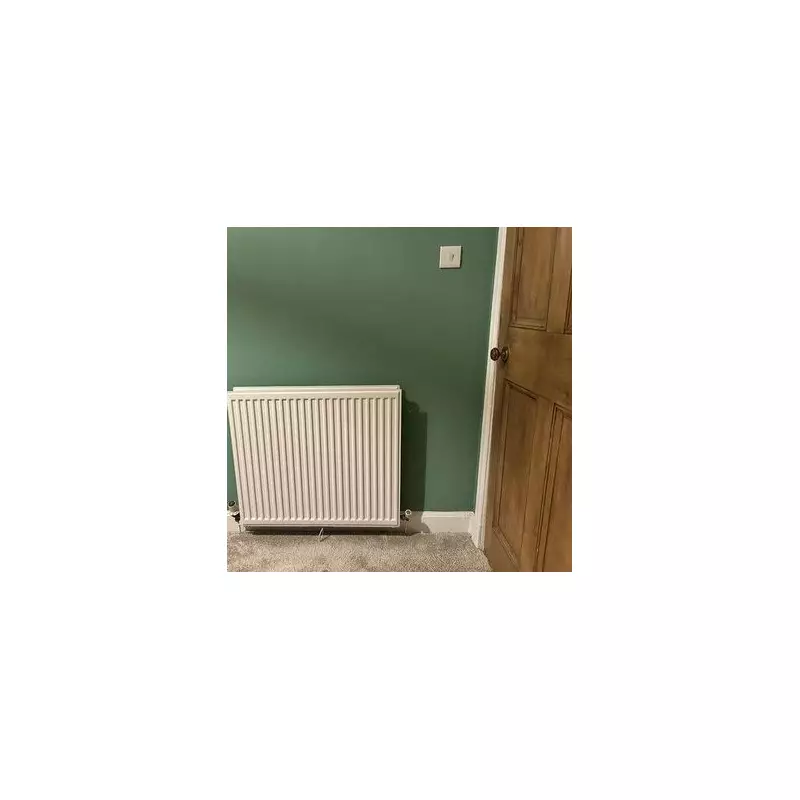
Struggling with constant chills in a period property, one resident discovered a remarkably simple gadget that transformed her home's warmth and could help tackle soaring energy costs.
The Draughty Home Dilemma
Living in a 1900s tenement flat with high ceilings and draughty walls, spare time writer Nicola Roy described turning on the heating as feeling like "setting fire to money". Despite the radiators being on, the space never felt truly cosy, often leaving her reaching for an electric blanket. The issue was compounded by having just one radiator per room.
A Two-Minute Solution with Magnetic Fans
In December, Nicola decided to test a product designed to boost radiator efficiency: a radiator fan from Speed Comfort. The device, which clips onto the underside of a radiator using powerful magnets, works by driving heat upwards and around the room. She purchased a set of three for £109.95, which connect together and plug into a standard socket.

Installation was straightforward, requiring no tools. A temperature sensor can be attached to trigger the fan automatically when the radiator gets warm. Once switched on, the fan circulates the hot air that usually lingers around the radiator itself.
Results: Warmer in Half the Time
The outcome was striking. After letting the fan run for just 20 minutes with the door closed, Nicola found her bedroom felt "considerably warmer". Typically, the room took about an hour to heat up, meaning the gadget slashed the warm-up time by more than half.
By distributing heat more effectively, the system allows the thermostat to be set lower, potentially leading to savings on energy bills. Nicola also noted a useful secondary benefit: her laundry dried much faster when placed near the radiator with the fan on.
The fan does produce a humming noise, but as it's not needed overnight if the heating is off, this wasn't a major issue. The product comes with a 10-year warranty.
For those living in inefficient, hard-to-heat homes, this simple trick offers a promising way to achieve comfort faster while keeping a closer eye on energy consumption.