UK Energy Crisis Deepens as Iran Conflict Drives Global Price Surges
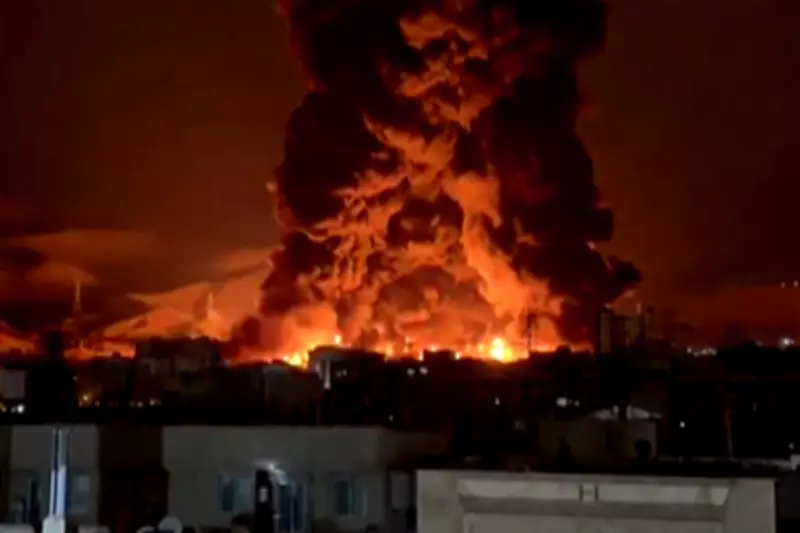
The escalating military confrontation between former US President Donald Trump and Iran is sending shockwaves through global energy markets, with British households facing steep increases in bills despite the nation's growing reliance on renewable power sources. Oil prices have surged past $100 per barrel, reaching $106 on Monday, as approximately 20 million barrels of oil daily remain stranded in the Persian Gulf due to unsafe navigation through the critical Strait of Hormuz.
Supply Disruptions Exceed Ukraine War Impact
Analysts warn the current situation represents a more severe supply crisis than following Russia's invasion of Ukraine, with Iran's near-complete oil export halt removing roughly 3% of global supply. Goldman Sachs has projected oil could reach $150 per barrel by March's end, creating substantial pressure on British consumers and businesses alike.
European natural gas prices have skyrocketed by 40% following an Iranian drone strike on Qatar's largest liquefied natural gas facility, disrupting supplies from one of the world's premier producers. This development proves particularly concerning for the UK, where imported LNG supplied 35% of natural gas consumption in February.

Britain's Gas Addiction Leaves Households Vulnerable
The UK remains heavily dependent on gas, with approximately 30% of electricity generation coming from gas-fired power stations—substantially higher than Germany's 17% or France's 3%. More than 70% of British homes rely on gas for heating, with many using it for cooking as well, leaving households acutely exposed to international market volatility.
Compounding this vulnerability, the UK's gas reserves stood at just 18% capacity according to recent National Gas data. Experts warn annual household bills could increase by up to £500 should the conflict persist, with the nation's limited storage capacity amplifying price shock susceptibility.
Renewable Paradox: Clean Energy Dominance Fails to Stabilise Prices
Despite renewables—led by wind power—supplying 47% of UK electricity in 2025, surpassing gas at 28%, energy prices remain tightly bound to global gas markets. This apparent contradiction stems from Britain's marginal pricing model, where the costliest power source required at any moment—typically gas—sets electricity prices across the entire grid.
With gas determining market prices approximately 98% of the time, even when cheaper renewables provide most electricity, household bills remain hostage to international fossil fuel fluctuations. Dhara Vyas, chief executive of Energy UK, emphasised to Carbon Brief that wholesale costs driven by gas prices remain the primary driver of elevated electricity bills, not the nation's net-zero commitments.
Broader Economic Consequences Emerge
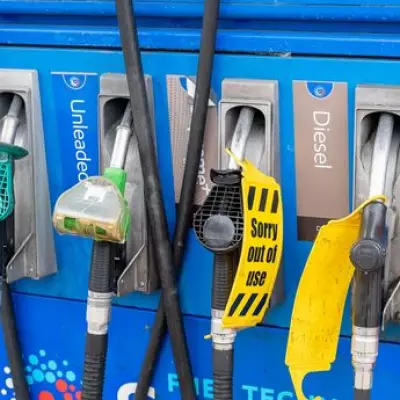
The conflict's ripple effects extend beyond energy bills, with AA president Edmund King warning of "record prices at the pumps" expected within 10-12 days. Mortgage rates are also increasing as lenders including NatWest, HSBC, Nationwide, Santander, the Co-operative Bank and Skipton Building Society raise rates on new fixed-term mortgages, disrupting recent downward interest rate trajectories.
Global Calls for Decarbonisation as Conflict Response
UN Secretary-General António Guterres highlighted the current turmoil as evidence of a global energy system dangerously tied to fossil fuels, where regional conflicts create worldwide economic shockwaves. "Homegrown renewable energy has never been cheaper, more accessible, or more scalable," Guterres noted, adding that clean energy resources "cannot be blockaded or weaponized."
Prime Minister Sir Keir Starmer has assured Parliament of measures to safeguard supply, but faces mounting pressure to implement longer-term strategies protecting consumers from international fossil fuel market volatility. Many observers view the current price shocks as an opportunity for decisive political action that could simultaneously reduce uncertainty and address the escalating climate emergency.