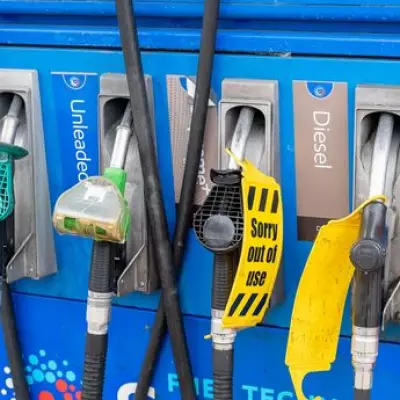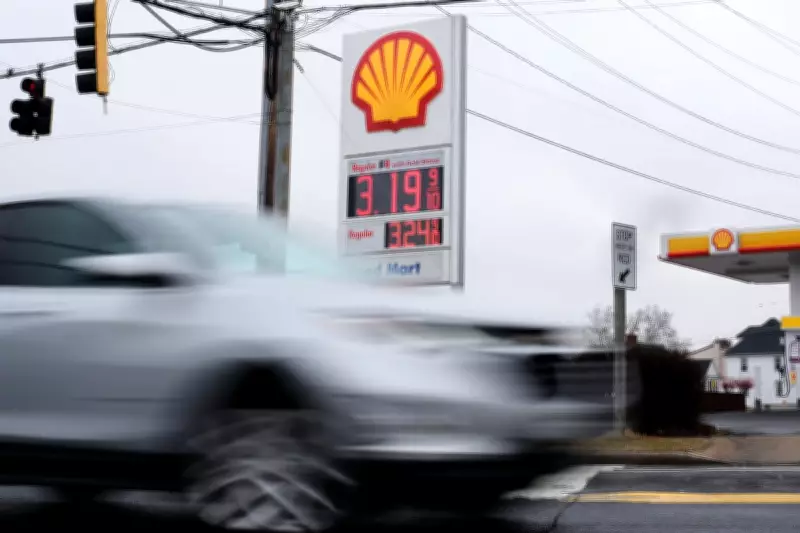
Britain is poised for a period of significant economic volatility as escalating tensions in the Middle East drive oil prices to their highest levels in years, prompting stark warnings from political and business leaders.
Energy Boss Warns of 'White Knuckle Ride' Ahead
Derek Lickorish, the chair of Utilita, has issued a dire forecast for UK energy consumers, describing the coming months as a potential "white knuckle ride." He emphasised that the duration and intensity of the Middle East conflict will be critical in determining how long oil prices remain elevated, directly impacting household bills and business costs across the nation.
Oil Prices Surge Past $100 a Barrel
In a dramatic market shift, oil prices have breached the $100 per barrel threshold for the first time since 2022. This surge follows recent US and Israeli airstrikes targeting Iran, which have significantly heightened geopolitical instability in the region. The price spike reflects growing concerns over potential disruptions to global oil supplies, with traders reacting swiftly to the heightened risk of prolonged conflict.

Political Reactions and Economic Warnings
Former US President Donald Trump commented on the situation, suggesting that increased fuel costs represent a "small price to pay" in the context of the ongoing military engagements. However, in the UK, Sir Keir Starmer has struck a more cautious tone. The Labour leader warned that a protracted conflict with Iran could have severe and far-reaching consequences for the British economy, potentially affecting inflation, consumer spending, and overall economic growth.
International Response and Market Stabilisation Efforts
In response to the escalating crisis, G7 nations are preparing to convene an emergency meeting to address the soaring oil prices. Key items on the agenda include discussions around a coordinated release of strategic oil reserves. Such a move aims to inject additional supply into the market, thereby helping to stabilise prices and mitigate the economic shockwaves currently being felt worldwide.
The situation remains fluid, with analysts closely monitoring developments in the Middle East. The UK government and financial institutions are on high alert, preparing contingency plans to cushion the economy from the potential fallout of sustained high energy costs.