UK Fuel Prices Reach Four-Year Peak Amid Middle East Turmoil
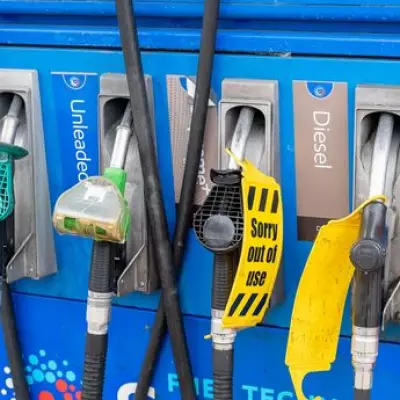
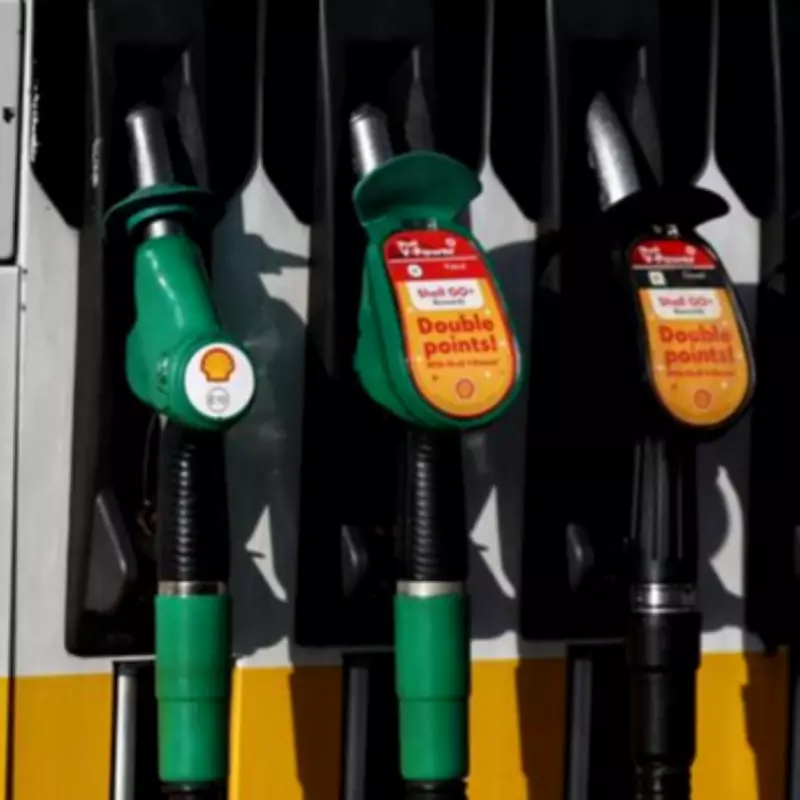
Fuel prices across the United Kingdom have soared to their highest level in four years, with crude oil surpassing $100 a barrel as ongoing conflict in the Middle East continues to unsettle global markets. The average price for unleaded petrol on UK forecourts has now climbed to 137p per litre, marking a sharp increase of nearly 6p since hostilities began nine days ago.
Market Volatility and Expert Warnings
The escalation of military actions involving the United States and Israel against Iran has triggered significant volatility in oil markets, driving prices upward. Experts from the Energy and Climate Intelligence Unit have issued stark warnings, indicating that if crude oil remains at $100 per barrel for an extended period, petrol prices could escalate to approximately 150p per litre. Should oil prices climb to $120 a barrel, UK motorists might face costs as high as 170p per litre for petrol.
This historic correlation between oil and fuel prices underscores the potential for further financial strain on British drivers. In response, authorities have urged motorists to reduce non-essential journeys and utilise eco-driving modes to conserve fuel amidst the crisis.

Regional Price Disparities Across the UK
Fuel costs exhibit considerable variation across different regions of the UK. Northern Ireland currently offers the most affordable rates, with average prices in Belfast approximately 10p lower than the national average, standing at 125.8p per litre for standard unleaded.
Conversely, the most expensive areas to refuel include North Warwickshire, Maidstone, Breckland, and Brentwood, where average petrol prices exceed 141p per litre. However, even within these costly local authorities, drivers can find cheaper filling stations with prices closer to the national average.
Identifying the Cheapest Fuel Stations
For those seeking the most economical options, an interactive map has been developed to display average petrol prices by area and pinpoint the cheapest local filling stations. The current most affordable petrol station in the UK is an ASDA garage located on South Church Road in County Durham, charging 127.7p per litre. Filling a typical 55-litre tank at this forecourt costs £70, representing potential savings of up to £24 compared to the most expensive stations.
Ten Cheapest Petrol Stations in the UK:
- 127.7p - ASDA, South Church Road, Bishop Auckland Town, County Durham
- 127.9p - Sainsbury's, Holywood Exchange, Sydenham, Belfast
- 127.9p - Sainsbury's, 4 Braidwater Retail Park, Castle Demesne, Mid And East Antrim
- 128.7p - ASDA, 1 Ring Rd, Coleraine, Causeway Coast And Glens
- 128.7p - ASDA, Sweep Road, Cookstown South, Mid Ulster
- 128.9p - Sainsbury's, Unit 28, Falls Park, Belfast
- 128.9p - Tesco, Aberystwyth Road, Mwldan, Ceredigion
- 128.9p - Tesco, Havens Head Park, The Docks, Milford Haven, Pembrokeshire
- 128.9p - Tesco, Syke St, Haslingden, Rossendale
- 128.9p - Tesco, Bocholt Way, Rawtenstall, Rossendale
Diesel Prices and Most Expensive Stations
Diesel prices have risen even more rapidly than unleaded petrol, increasing by around 9p per litre since the conflict commenced on 28 February. The cheapest diesel station is an ASDA garage in Kingswood, Hull, offering standard diesel at 134.9p per litre.
Five Cheapest Diesel Stations in the UK:
- 134.9p - ASDA, Bude Road, Kingswood, Kingston Upon Hull
- 135.9p - ASDA, Bridge Street, Killycomain, Armagh City, Banbridge And Craigavon
- 136.7p - ASDA, Holles Street, East Marsh, North East Lincolnshire
- 137.7p - ASDA, Jockey Lane - Monks Cross, Huntington & New Earswick, York
- 137.7p - ASDA, Sweep Road, Cookstown South, Mid Ulster
At the opposite end of the spectrum, the most expensive filling station in the UK is an ASDA station on the M74 Southbound in South Lanarkshire, where standard petrol costs 171.9p per litre. Refuelling an average family car at this location would amount to £95.

All quoted prices are based on data supplied by retailers as of Monday, 9th March 2026, at 4:45 am. As the Middle East conflict persists, UK motorists are advised to stay informed about local fuel prices and consider cost-saving measures to mitigate the impact of rising costs.