UK Fuel Prices Skyrocket as Middle East Conflict Intensifies
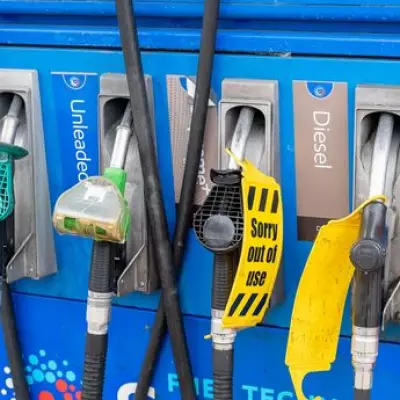
Drivers across the United Kingdom are confronting dramatically escalating costs at the fuel pump, with petrol and diesel prices reaching their highest levels in nearly twenty months. The surge is directly linked to the ongoing military conflict between the United States, Israel, and Iran, which has triggered significant volatility in global oil markets.
Sharp Increases at the Pump
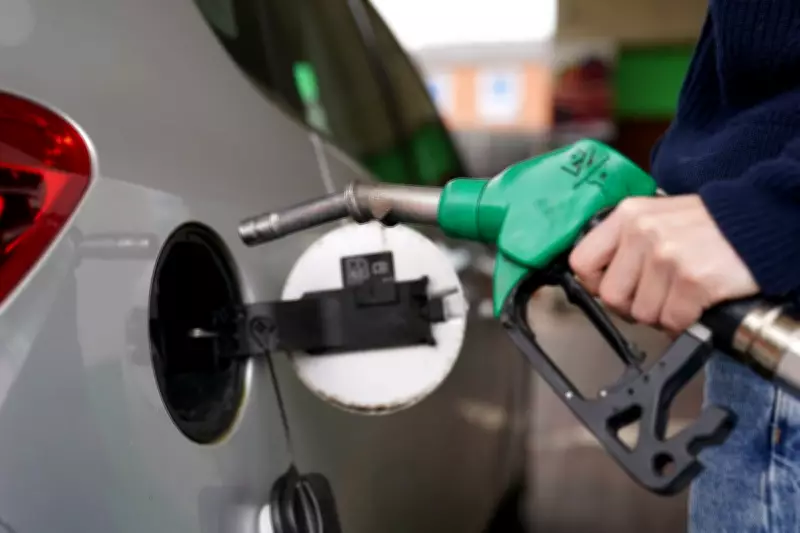
Latest industry data reveals that since Saturday, 28th February, when US-led strikes on Iran commenced, average petrol prices have increased by between 4.68p and 8.59p per litre. Currently, motorists can expect to pay an average of 137.51p per litre for unleaded petrol and 150.97p per litre for diesel. This translates to an additional cost of up to £4.72 to fill a standard 55-litre family car in just over a week, with further price rises anticipated in the coming days.
Oil Price Spike Fuels the Crisis
The primary driver behind the escalating fuel costs is a sharp spike in global oil prices. Brent crude, the international benchmark, surged past $100 per barrel on Monday for the first time since 2022. Prior to the outbreak of hostilities, the price had been at a seven-month high of approximately $73 per barrel. The conflict has rapidly spread across the Middle East following initial US and Israeli strikes on Iran, which prompted retaliatory Iranian attacks on targets in the United Arab Emirates, Qatar, Bahrain, Jordan, and Iraq.

Strategic Strait Threatens Global Trade
As hostilities escalate, Iran has issued a stark warning that it will "set fire" to any vessels attempting to navigate the Strait of Hormuz. This narrow passage is the only maritime route from the Persian Gulf to the open ocean, making it a critical artery for the global oil industry. Approximately twenty percent of the world's oil and gas shipments transit through this waterway, meaning the Iranian threat poses a severe risk to international trade and energy supplies.
Motoring Organisations Issue Travel Warnings
In response to the deteriorating situation, AA president Edmund King has advised UK motorists to consider reducing "non-essential journeys" as fuel prices continue to climb. He emphasised that prolonged conflict will exert further upward pressure on oil costs, noting that any time Brent crude exceeds $100 per barrel, it raises serious concerns for markets, the haulage industry, and ordinary drivers. King suggested that while drivers should not alter their refuelling habits drastically, they can adopt fuel-efficient driving styles and cut out unnecessary trips to manage expenses.
Projected Price Increases and Expert Analysis
Analysis from the Energy and Climate Intelligence Unit highlights the historical correlation between oil and fuel prices, indicating that oil at $100 per barrel typically results in petrol prices around 150p per litre, while oil at $120 per barrel could push petrol to approximately 170p per litre. RAC head of policy Simon Williams added that average petrol and diesel prices have "rocketed" in the past week and are likely to keep rising, creating a bleak outlook for UK drivers. He predicts unleaded petrol will likely reach an average of 140p per litre soon, with diesel climbing to at least 160p per litre, urging motorists to shop around for the best available prices while continuing to fill up as normal.